April 28, 2025
How to Taste Coffee Like a Pro
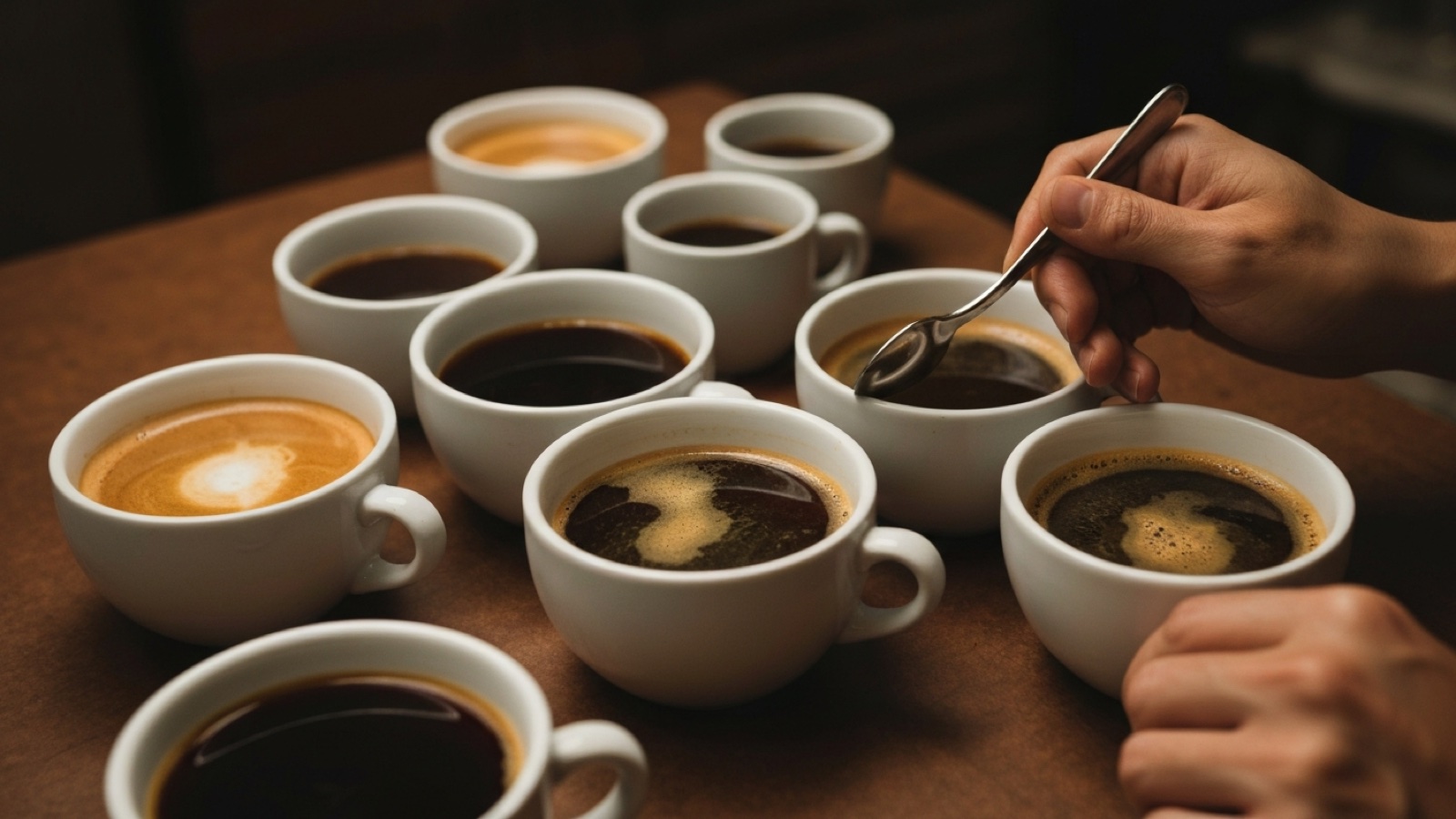
Professional coffee tasters evaluate coffee using a structured protocol called cupping. They slurp. They spit. They score. Tasting coffee is a skill, and like all skills, it improves with practice. The difference between a casual drinker and someone who can articulate what they are tasting is not talent. It is vocabulary and attention.
The Four Dimensions
Acidity: brightness, liveliness. Light roasts have more. Sweetness: the pleasant, sugary quality of well-roasted, well-extracted coffee. Body: the physical weight on your tongue. espresso heavy, pour over light. Finish: what lingers after you swallow. A long, clean, sweet finish is the mark of excellent coffee.
Trust Yourself
Professional tasters agree on broad strokes but disagree on details constantly. One says blueberry, another says blackberry. Both are right. The goal is not to match someone else's palate. The goal is to develop your own. Tasting comparatively teaches faster than tasting in isolation. Try a single origin next to a blend, or a light roast next to a dark roast. Find a specialty shop offering multiple coffees and ask to try them side by side.
Keep reading: Single Origin vs. Blend, Light Roast vs. Dark Roast, Specialty vs. Chain Coffee.
Our Picks
What we'd buy on Amazon for this
Hario · Mini Mill Slim Plus Manual Hand Grinder
Ceramic burrs, fits in a backpack pocket. The starter hand grinder.
$38.50
View on Amazon →Bodum · Pavina Double-Wall Glasses (Set of 6, 12oz)
The cafe glass for serving iced lattes, iced Americanos, and cold brew at home.
$40.99
View on Amazon →Hario · Cupping Spoon (Kasuya Model)
The right shape matters.


Pulled may earn a commission on purchases. Cookie applies to all Amazon items in your next 24 hours, not just this product.
See all Pulled Picks →Keep going with Pulled