July 8, 2025
Arabica vs. Robusta
Get paid for the gear you already use to brew.


Every cup of coffee you have ever had was made from one of two species: Coffea arabica or Coffea canephora, known as robusta. There are other species. They are commercially irrelevant. The coffee world runs on these two, and understanding the difference between them is the single most useful piece of coffee knowledge you can carry into a shop.
Arabica
Arabica accounts for roughly 60 percent of global coffee production. It is the species behind virtually every bag of specialty coffee, every single origin pour over, every light roast with tasting notes on the label. It grows at higher altitudes, in cooler climates. It is more susceptible to disease, produces lower yields, and costs more to grow.
What it offers in return is complexity. Good arabica has acidity, sweetness, and a range of flavor that can include fruit, floral, chocolate, nut, and caramel depending on origin, altitude, processing, and roast. The specialty coffee movement is built almost entirely on arabica because the flavor ceiling is higher. Arabica has roughly half the caffeine of robusta, which contributes to its smoother, less bitter flavor profile.
Robusta
Robusta accounts for roughly 40 percent of global production. It grows at lower altitudes, in hotter climates, with greater disease resistance and higher yields. Vietnam is the largest robusta producer. It is the species behind Vietnamese coffee, Italian espresso blends, and most instant coffee.
Robusta has more caffeine, more body, and more bitterness. Its flavor profile is narrower: earthy, nutty, grain-like. The espresso tradition in Italy was built on blends that include robusta for body, crema, and depth of flavor.
Pulled pays cash for cafe visits while you weigh the gear.
Which One Is Better
Neither. They are different tools. If you are drinking a pour over and want to taste the origin, arabica. If you want intensity and body, robusta. If you are pulling espresso and want thick crema and power, a blend of both may be the answer. The label tells you which species. Your palate tells you which you prefer.
Keep reading: What Is Espresso, Light Roast vs. Dark Roast, Single Origin vs. Blend.
Earn cash on every coffee run. Download Pulled.
Our Picks
What we'd buy on Amazon for this
Counter Culture · Apollo Single-Origin Espresso
Counter Culture publishes a transparency report on every lot they buy.
Lifeboost · Decaf Medium Roast Whole Bean (12oz)
Swiss water decaf, single origin, no solvents. Pregnancy and post-2pm safe.
$28.99
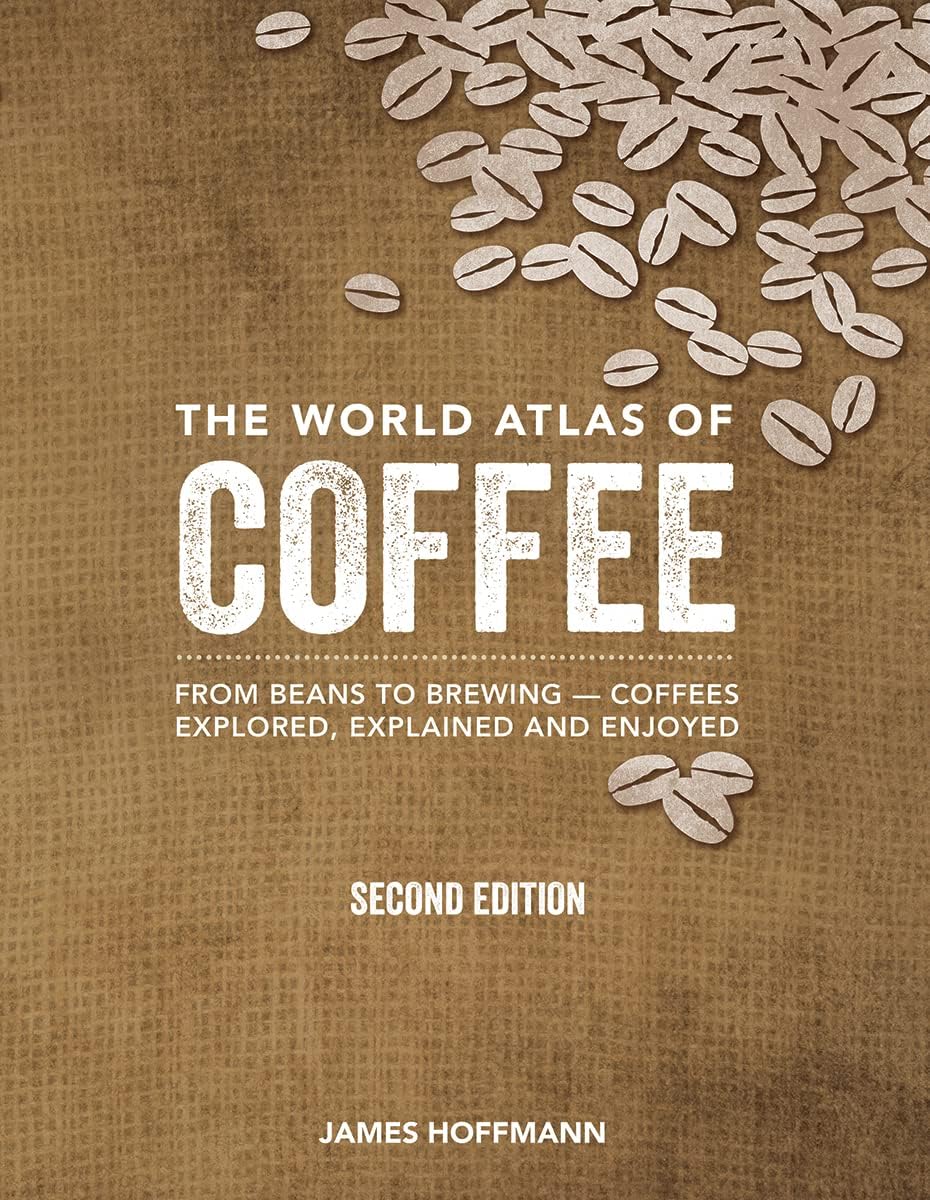
View on Amazon →James Hoffmann · The World Atlas of Coffee (2nd Edition)
The single most useful coffee book in print.
$33.96
View on Amazon →


Pulled may earn a commission on purchases. Cookie applies to all Amazon items in your next 24 hours, not just this product.
See all Pulled Picks →Keep going with Pulled