May 23, 2026
The Best Instant Coffee in 2026: 10 Brands Ranked
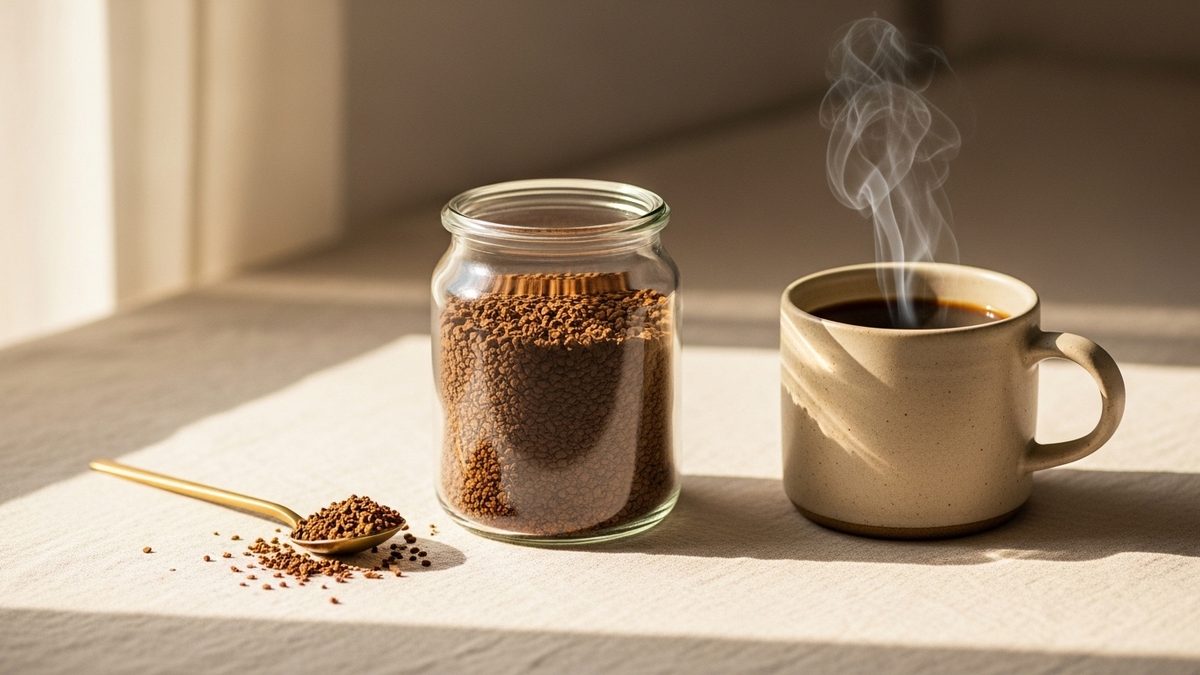
Instant coffee used to be the drink you tolerated on a camping trip or in a hotel room. In 2026 it is a category worth ranking on its own terms. A jar of supermarket instant still costs about $0.20 a cup. A freeze-dried specialty packet from a named roaster now runs closer to $2.50, and the gap between those two cups has never been wider. We brewed 38 cups across 10 brands to separate the genuinely good from the merely fast.
The reason the floor moved is freeze-drying. Cheap instant gets spray dried, which cooks the coffee with hot air and strips most of the aroma. The better brands freeze the brewed coffee solid, then pull the water out under vacuum, which keeps the volatile oils that carry flavor. Add single-origin beans and a few specialty roasters who decided to package their actual coffee, and you get cups that hold up next to a drip machine.
This guide is a full instant coffee comparison: how the category got good, how we ranked it, the 10 best instant coffee brands in order, and a buying guide that covers price per cup, organic, and decaf. If you want the short version, jump to the bottom for the top pick, the travel pick, and the budget pick.
How we ranked the 2026 field
Five factors decided the order, and taste counted most.
- Taste. Brewed to the label spec, then tasted black and with milk. Balance, body, and aftertaste mattered more than raw strength.
- Process. Freeze-dried beat spray-dried almost every time. We noted which method each brand uses.
- Bean origin. Single-origin and named-region coffees scored higher than anonymous blends.
- Dissolve quality. A good instant clears in 10 seconds with no silt at the bottom of the mug. Grit lost points.
- Price per cup. We logged the cost of every cup, from $0.12 jars to $3 single-serve sachets, so the ranking reflects value, not just flavor.
No brand paid for placement. Where a brand sells both a jar and packets, we tasted both and ranked the version most people actually buy.
The 10 best instant coffee brands ranked
Here is the order, from the everyday jar we kept reaching for to the niche pick built for one job.
1. Mount Hagen (best overall)
Mount Hagen is the jar we kept reaching for. It is a German organic instant, freeze-dried from 100% Arabica grown by fair-trade cooperatives in Peru, Mexico, and Papua New Guinea. The cup is clean and medium-bodied, with a mild cocoa note and almost none of the burnt edge that sinks cheaper instant. It dissolves fast in hot water and holds together in milk without clumping.
A 3.53 oz jar makes about 45 cups and runs near $13, which works out to roughly $0.29 a cup. The single-serve sachets cost more per cup but travel well, and there is a decaf version processed without chemical solvents. Organic certification is real here, not a sticker.
If you want one jar that covers daily mornings and the occasional camp trip, this is it. It is not the cheapest and it is not the most dramatic cup in the lineup, but it is the one with the fewest weak spots. Best overall, and our pick for most people.
2. Verve Sunrise (best premium instant)
Verve is a Santa Cruz roaster, and its Sunrise single serve is the best premium instant we tasted. Each packet is freeze-dried from Verve's own sourced coffee, and it shows: the cup is bright, juicy, and clearly fruit-forward in a way most instant cannot reach. Pour it over ice and it reads like a cold brew, not a compromise.
The catch is price. A box of single-serve packets runs about $2 a cup, which is roughly 10 times a supermarket jar. For that you get specialty coffee from a roaster people line up for in California, packed into a sachet you can carry in a jacket pocket.
This is the cup to hand someone who insists instant is hopeless. It is also the one to pack when you care more about the coffee than the cost, like a backcountry morning where weight matters and you still want something good. Premium, portable, and specialty instant coffee ranked at the top of the craft tier.
3. Voila
Voila built its catalog by partnering with named roasters and freeze-drying their coffee into single-serve crystals. That means you can buy instant from roasters most people only know from a cafe menu, without owning an espresso setup. The range is the appeal: light Ethiopian naturals, darker Latin American blends, and rotating limited releases.
Quality tracks the source roaster, so a Voila packet is only as good as the coffee inside it, and most of them are very good. Dissolve is clean, with no chalk. Cups land between $2 and $3 each depending on the roaster, which puts Voila firmly in the premium bracket.
We docked it slightly below Verve only because the experience is less consistent across the catalog. One Ethiopian sample was stellar; a darker blend was merely fine. If you like chasing different roasters, Voila is the most interesting box on this list, and the sampler packs are a low-risk way to find a favorite before committing to a full set.
4. Swift Cup Coffee
Swift Cup is the Pennsylvania outfit that helped prove specialty roasters could sell instant without embarrassing themselves. It freeze-dries coffee from partner roasters and its own sourcing, and the lineup leans toward clean, sweet, medium roasts that suit people stepping up from a jar for the first time.
The cup is balanced and forgiving. It dissolves quickly, tastes consistent batch to batch, and rarely throws the sour or ashy notes that ruin lesser instant. Single-serve packets run about $1.80 to $2.50 each, and Swift Cup sells variety packs that make the price easier to swallow while you find a roaster you trust.
It sits just below Voila because the flavor ceiling is a touch lower; you trade some of the wild fruit for reliability. For a desk drawer or a hotel bag, that trade is often the right one. Among the best instant coffee brands aimed at everyday specialty drinkers, Swift Cup is one of the easiest to recommend.
5. Waka Coffee
Waka is the value play in the specialty tier. It freeze-dries single-origin Arabica, with a Colombian medium roast as the flagship, and packs it in both packets and resealable pouches. The cup is straightforward and pleasant: medium body, light nuttiness, no off notes. It will not stun a cupping judge, but it beats every supermarket jar we tried.
Price is the draw. Cups land near $0.50 to $0.70, roughly half the cost of the craft single-serve boxes, and the pouch format cuts packaging waste. Waka also donates toward clean-water projects with each purchase, which is a real program rather than a slogan.
This is the bridge brand. If a $2 packet feels like too much but you are done with the burnt jar at the back of the cupboard, Waka is the cup that gets you there. It is also a strong travel option because the packets are light, durable, and dissolve in cold water for iced coffee on the move.
6. Joe Coffee Instant
Joe Coffee is the New York cafe group, and its instant single serve brings that house style to a packet. Expect a comfortable, well-roasted cup with chocolate and toasted nut notes, the kind of coffee that suits milk and an early train. It is specialty without being aggressive about it.
Each packet makes a standard cup and runs around $2, in line with the craft tier. Dissolve is clean and quick. The flavor is more crowd-pleaser than showpiece, which is exactly what a cafe brand should put in a travel packet.
It ranks here rather than higher because the range is small and the cup, while good, does not reach the brightness of Verve or the variety of Voila. What it offers instead is a known, dependable profile from a roaster with a real bar program behind it. If you already like Joe in the cafe, the instant will not surprise you, and that is the point.
7. Alpine Start (best for camping)
Alpine Start is built for the outdoors, and it is our pick for camping and travel. The Boulder brand freeze-dries Arabica into packets that dissolve fully in cold water, which matters when you are 6 miles up a trail and boiling water is a project. The plain blend is clean and medium-dark, and the coconut-milk latte packets are a genuinely good trail treat.
Cups run about $1 to $1.50, cheaper than the top craft boxes and more interesting than a jar. The packaging is light and packs flat, and nothing leaks in a stuffed backpack.
On pure flavor it sits mid-pack; a desk drinker can do better for the money. But no other brand here is this well-suited to a tent, a kayak, or a long flight. If most of your instant gets brewed away from a kitchen, start here. For the technique behind brewing without gear, our cold-water instant guide walks through it.
8. Nescafe Gold (best budget jar)
Nescafe Gold is the budget pick, and it earns the spot. It is freeze-dried, not spray-dried like Nescafe's cheaper lines, which is why it tastes noticeably rounder than the red-label classic. The cup is mild, slightly malty, and built for milk and sugar more than black sipping.
The math is the argument. A 7 oz jar makes around 100 cups for roughly $12, which lands near $0.12 a cup, the cheapest in this guide by a wide margin. It is sold nearly everywhere, so restocking is never a hunt.
It will not match the freeze-dried specialty packets on aroma or clarity, and black coffee drinkers will notice the gap. But for a household that goes through a jar a week and wants a decent cup at pennies each, nothing here competes on value. As the top instant coffee 2026 budget option, Nescafe Gold is the sensible default.
9. Sudden Coffee
Sudden Coffee deserves credit as the brand that proved specialty instant could exist. Its single-cup vials of freeze-dried, single-origin coffee set the template that Verve, Voila, and Swift Cup now follow. At full stride, the cups were bright, clean, and unlike anything on a grocery shelf.
Availability is the problem. Sudden has been on and off since its peak, and stock can be hard to find or limited to resale, so treat any box you spot as a lucky pickup rather than a staple. When you do find it, the quality still holds up against the current craft field.
We include it because its influence is all over this list, and because a fresh batch remains a genuinely good cup. Just do not build your morning routine around a brand you cannot reliably buy. If it returns to steady production, it climbs this ranking quickly. For now, it is a great cup with an asterisk.
10. Mommee Coffee
Mommee Coffee is the niche pick, built for low-acid, lower-caffeine drinking. It is organic, water-processed, and sold in quarter-caf, half-caf, and full decaf options, which makes it a fit for pregnancy, nursing, or anyone whose stomach revolts at standard coffee. The instant is freeze-dried and mild by design.
The cup is smooth and easy, with the acidity dialed way down. That same gentleness is why it ranks last for general drinkers: if you want brightness or punch, this is not the cup. Pricing sits in the mid range, higher than a jar and below the top craft boxes.
Judge it on its purpose and it is excellent. Decaf instant is usually an afterthought, and Mommee treats it as the main event. If you are cutting caffeine without cutting the ritual, or you need a low-acid cup that still tastes like coffee, this is the one to keep in the cupboard. For everyone else, it is a thoughtful option rather than a daily driver.
Honorable mentions: packets versus jars
Three more earned a look, and together they frame the real format choice: single-serve packets or a jar.
- Cusa Tea and Coffee. Cold-water-soluble packets aimed at travel, with a solid medium roast and a tea line if your table is mixed.
- Canyon Coffee. A small-batch single serve with a clean light-roast profile, worth it if you already buy their whole bean.
- Trader Joe's Instant. The best cheap jar after Nescafe Gold, freeze-dried and often a third less per cup.
The split is simple. Packets cost more per cup but travel clean, portion themselves, and dissolve in cold water for iced coffee. Jars cost far less, restock easily, and suit a high-volume household. Most people end up with both: a jar by the kettle and a few packets in the bag for the road.
Freeze-dried versus spray-dried, explained
This is the single biggest quality signal on the shelf. Spray-drying blasts brewed coffee through hot air, which is fast and cheap but bakes off the aromatic oils, leaving the flat, slightly cardboard taste people associate with old instant. Freeze-drying freezes the coffee solid, then removes the water under vacuum at low temperature, so most of the aroma survives. Almost every brand worth buying in this guide is freeze-dried. Check the label: if it does not say, assume spray-dried. The difference shows up most in a black cup, where freeze-dried tastes like coffee and spray-dried tastes like the idea of it.
Single-origin instant coffee
Single-origin means the beans come from one country or region rather than an anonymous global blend. It matters for instant because origin is where the interesting flavors live: the berry note in an Ethiopian, the cocoa in a Colombian, the spice in a Sumatran. Blends smooth those edges out, which is fine for a milk-and-sugar cup and dull for a black one. Waka, Verve, Voila, and Sudden all sell named origins. If you drink your coffee black and want it to taste like somewhere, single-origin is the line to read on the label before anything else.
Organic, decaf, and low-acid options
Organic instant is common now. Mount Hagen, Mommee, and several honorable mentions carry real certification, which covers how the beans were grown, not just marketing. Decaf is where instant has quietly improved: look for water-processed or Swiss Water decaf, which strips caffeine without chemical solvents and keeps more flavor. Mount Hagen and Mommee both do this well. Low-acid is a separate need; if coffee upsets your stomach, Mommee and darker freeze-dried jars are gentler than bright single origins. None of these cost much more than the standard version, so there is little reason to skip them if they fit.
Price per cup: the math that matters
Instant hides its real cost in the format. A jar of Nescafe Gold lands near $0.12 a cup. Mount Hagen runs about $0.29. Waka sits around $0.50 to $0.70. The craft single-serve packets from Verve, Voila, Joe, and Swift Cup cost $2 to $3 each. That is a 25x spread from the cheapest jar to the priciest packet, so decide what each cup is for. If instant is your daily driver, a freeze-dried jar at $0.30 keeps the yearly cost near $110. If it is a travel treat, the $2 packets are fine because you brew few of them. The mistake is paying packet prices for an everyday habit.
Instant is for the days you cannot get to a bar. When you can, it is worth finding a good one: our guides to the best espresso in Seattle, the best cold brew in Portland, and the best pour over in New York name the rooms worth the walk.
Get paid for the coffee you already drink
Pulled is a coffee discovery app that pays you real cash by PayPal for orders you were going to place anyway. You log a drink, the app routes a payout to your account, and the money is real, not points or a loyalty stamp. It works whether you are buying a jar of instant for the cupboard or a cup on the way to work.
It pays at the places you already go: Starbucks, Dunkin, independent third-wave roasters, and the espresso program at the gas station off the highway. Instant counts too, since most of these brands sell through shops Pulled tracks.
Earn up to $10,000 exploring coffee.
So when you are restocking the jar or trying a new single-serve packet, let the app turn the habit into cash. Try the brands in this guide, log what you drink, and the spread between a $0.12 cup and a $2.50 cup matters a little less.
Get Pulled.
Frequently asked questions
What is the best instant coffee in 2026?
Mount Hagen is the best instant coffee for most people in 2026. It is a freeze-dried organic Arabica that makes a clean, medium-bodied cup with no burnt edge, costs about $0.29 a cup, and works for both daily mornings and travel. If you want the most impressive cup and do not mind paying around $2 a packet, Verve Sunrise is the premium pick. For value, Nescafe Gold is the budget jar to beat.
Is instant coffee real coffee?
Yes. Instant coffee is brewed coffee that has had the water removed, leaving soluble crystals that dissolve when you add hot or cold water. Nothing artificial is required. Freeze-dried instant keeps more of the original aroma than spray-dried, which is why specialty brands use it. The caffeine is real too, usually 30 to 90 milligrams a cup depending on the brand and how much you scoop. It is coffee, just dehydrated.
Why is instant coffee bitter?
Bitterness usually comes from three things: spray-drying, over-roasted beans, and water that is too hot. Spray-dried instant bakes off the sweeter aromatics and leaves harsh ones behind. Cheap blends often use dark, scorched beans. And boiling water poured straight onto the crystals scalds them. Fix it by buying freeze-dried single-origin coffee, using water around 195 to 205 degrees rather than a rolling boil, and not over-scooping. Better instant is rarely bitter.
What is the best instant coffee for camping?
Alpine Start is the camping pick. It dissolves fully in cold water, so you do not have to boil anything, and the packets are light and leak-proof in a pack. Verve Sunrise and Waka also dissolve cold and taste better if you can spare the budget. Look for single-serve packets rather than a jar, since they portion themselves and survive a backpack. Cold-water solubility is the feature that matters most on a trail.
Can you make iced coffee with instant?
Yes, and it is one of instant's best uses. Dissolve the crystals in a small splash of warm water first so they fully break down, then pour over ice and add cold milk or water. Many specialty packets, including Alpine Start, Waka, and Cusa, dissolve directly in cold water with a good stir. Use a touch more coffee than usual since the ice dilutes it. Our iced coffee at home guide has the ratios.
The short list
If you read nothing else, here is the order that matters. The top pick is Mount Hagen: a freeze-dried organic jar that gets almost everything right for about $0.29 a cup. The travel pick is Alpine Start, the one packet that dissolves in cold water and survives a backpack. The budget pick is Nescafe Gold at roughly $0.12 a cup, the freeze-dried jar that beats anything else at the price. Buy one jar and a handful of packets, and you are covered from the kitchen to the trailhead.
Our Picks
What we'd buy on Amazon for this
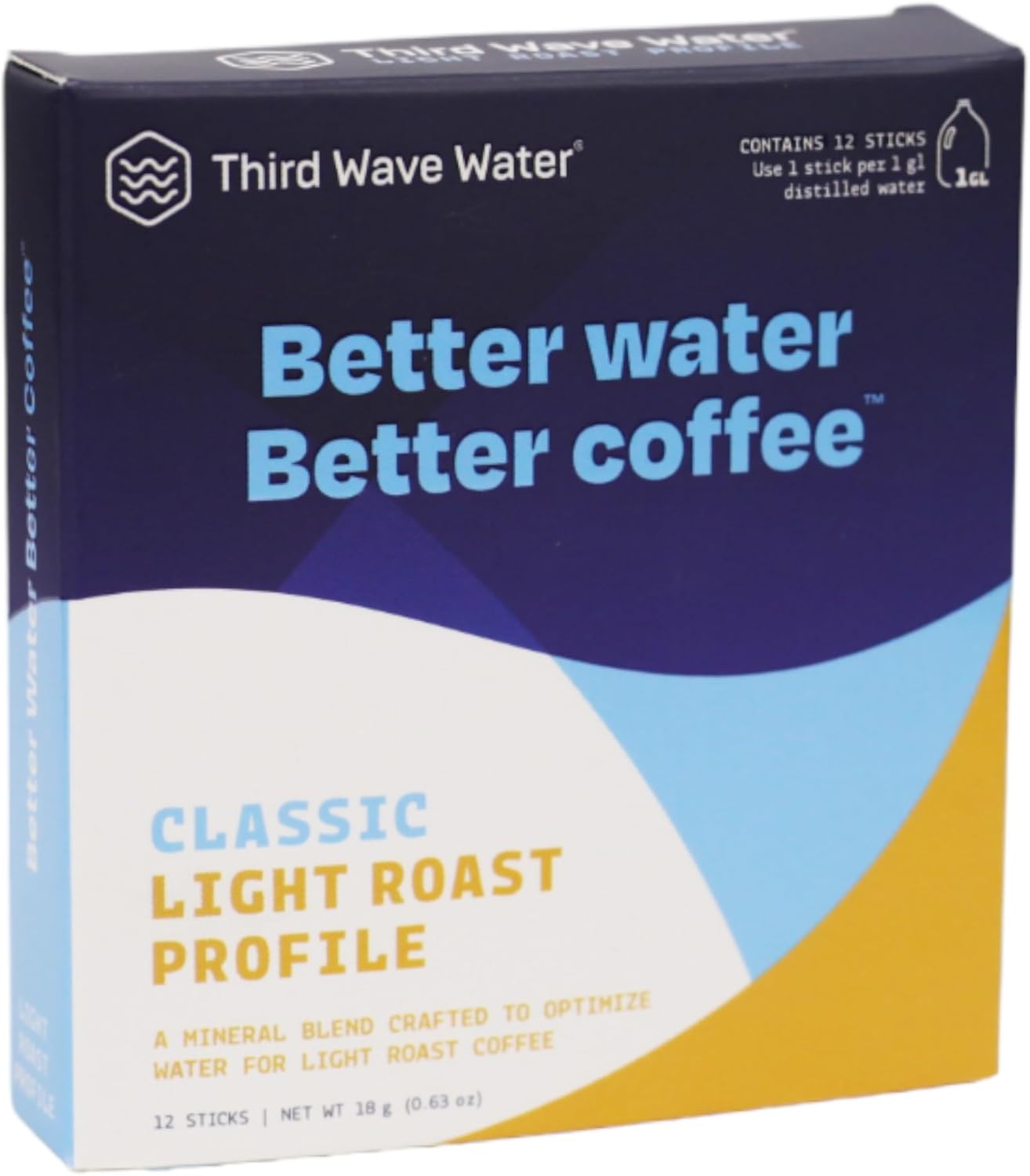
Third Wave Water · Classic Light Roast Profile (12-pack)
Third Wave Water solves the brewing water problem with a pre-formulated mineral mix.
Bodum · Pavina Double-Wall Glasses (Set of 6, 12oz)
The cafe glass for serving iced lattes, iced Americanos, and cold brew at home.
$40.99
View on Amazon →Hario · Cupping Spoon (Kasuya Model)
The right shape matters.


Pulled may earn a commission on purchases. Cookie applies to all Amazon items in your next 24 hours, not just this product.
See all Pulled Picks →Keep going with Pulled