May 13, 2026
Cafe Etiquette: What Baristas Wish Customers Knew
Third wave specialty cafes have developed their own culture over the last 30 years, with conventions that newer customers do not always read. The bar staff at a careful cafe is skilled, attentive, and working through a workflow that has been refined across thousands of shifts. Customers who understand the workflow get better coffee, friendlier interactions, and earn the permanent recognition that turns occasional visits into a regular table. This post covers cafe etiquette in 2026: what to order, when to ask questions, when not to, the menu language that signals competence, the tipping question, and the laptop occupation rules that vary by cafe. Internal link to Specialty Coffee, Plainly Explained for the category architecture behind the cafes.
The short version of cafe etiquette. Pace your order to the bar’s flow. Ask questions when the bar is calm, not during a rush. Tip on every visit, not just when sitting. Treat the barista as a skilled professional rather than a service worker. Learn the menu language so the order is brief and clear. The customers who follow these conventions become the customers baristas remember by name.
Ordering pacing: read the room
The most common cafe etiquette mistake is approaching the bar without paying attention to the workflow. A barista pulling shots during a Saturday-morning rush has 4 to 6 drinks queued; a customer who walks up and starts asking detailed questions about the origins of the espresso blend interrupts that workflow and makes everyone behind them wait longer.
The fix is to read the room before approaching. Look at the bar. Are drinks queued in stacked cups? Is the barista pulling and steaming simultaneously? Is there a line at the counter? If yes to any of these, order quickly and pay quickly; questions can wait until the next visit during a slow moment.
The opposite is also true. Cafes during slow moments (mid-morning between 10am and 11am at most third wave shops, weekday afternoons) want conversation. A customer who orders, then leans on the counter and asks about the new Ethiopian bag, is doing the bar a favor; the bar has time to chat, the customer learns something, and the relationship between cafe and customer grows. Match the engagement level to the bar’s capacity.
Menu language: speak the dialect
Specialty cafe menus use specific language that varies slightly by region. A customer who speaks the dialect orders faster, gets the drink they actually want, and signals familiarity with the category.
The standard third wave drink names: cortado (2oz espresso, 2oz steamed milk, no foam, served in a 4oz glass); macchiato (1.5oz espresso, 0.5oz milk and foam, served in a 4oz glass); flat white (2oz espresso, 5oz steamed milk with thin microfoam, served in a 6oz cup); cappuccino (2oz espresso, 2oz steamed milk, 2oz microfoam, served in a 6oz cup); latte (2oz espresso, 8 to 10oz steamed milk, foam, served in a 12oz cup). The portion sizes vary by cafe, but the proportions are consistent.
The drinks to ask about, not assume: a "macchiato" at Starbucks is a sweet sauce-based drink; a "macchiato" at a third wave cafe is a traditional espresso macchiato. A "Mocha" varies widely; some cafes use real chocolate, some use syrup. A "Café au lait" is often a drip coffee with steamed milk rather than espresso with milk. Ask if the description matters to the drinker.
The Italian dialect items: "ristretto" (concentrated short shot, 1:1 dose to yield); "lungo" (longer shot, 1:3); "doppio" (double espresso); "corretto" (espresso with a small splash of liquor, usually grappa or sambuca, served at Italian tradition cafes); "caffè latte" (espresso with hot milk, no foam, more milk-forward than a flat white). A customer who orders a "doppio macchiato" at an Italian tradition cafe gets a double-shot espresso with a tiny pour of foam.
Tipping at specialty cafes
Tipping has become a significant part of cafe economics. Most third wave cafes display a digital tipping prompt at the point of sale with 15, 20, and 25 percent options. The customer’s choice is a real component of the barista’s income.
The working norm at third wave cafes is to tip $1 to $2 on a single drink purchase, or 15 to 20 percent on a multi-drink order. A $5 latte tip of $1 (20 percent) is appropriate. A $20 order of two drinks plus a pastry tip of $4 (20 percent) is appropriate. Customers who consistently tip below 10 percent at specialty cafes are noticed and remembered.
The tip matters because the barista’s base wage at most US specialty cafes is $16 to $22 per hour. Tips add $4 to $8 per hour at busy cafes, $2 to $4 at slower ones. The tip is not a luxury for the barista; it is 20 to 30 percent of take-home pay. A drinker stopping at a specialty cafe daily who tips $1 per drink contributes $260 per year to that barista’s income.
The right way to tip is consistently rather than occasionally. A drinker who tips $1 on every visit becomes a recognized regular within 2 to 3 weeks. The recognition pays back in small ways: the barista remembers the drinker’s standard order, the drink is sometimes upgraded ("we just got a new Ethiopian if you want to try it"), and the bar prioritizes the regular during busy times.
Questions that work and questions that do not
Specialty baristas usually love talking about coffee. The right questions get genuine engagement; the wrong questions get short polite answers.
Questions that work: "What’s the new bean today?" "How does this Ethiopian taste compared to last week’s?" "If I’m brewing this at home on a V60, what grind do you recommend?" "Has the roast been adjusting much through the spring harvest?" These are domain questions that the barista has real knowledge about and enjoys sharing.
Questions that get short answers: "What’s your favorite drink?" "Is the coffee here strong?" "How do you make a latte?" These questions are too broad or too basic; the barista’s response is polite but rushed. The questions ask about the barista’s preference rather than the specific coffee being served.
Questions that signal expertise: "Is this washed or natural?" "What’s the cupping score on this lot?" "Where are you sourcing the Geisha from this year?" These questions show the customer has specific knowledge and wants the next level of detail. Baristas respond enthusiastically because the customer is engaging at their level.
Laptop occupation: the unwritten rules
Laptop use at cafes is the most contentious etiquette topic in the third wave era. The cafes are functionally split into three categories with different conventions.
Pro-laptop cafes: Cafes designed for extended work, with plenty of outlets, wide tables, and a willingness to accept long stays. These cafes typically advertise the laptop-friendly aspect through their seating choices and the WiFi password being prominently displayed. Customers can occupy a table for 2 to 4 hours, ordering a drink every 60 to 90 minutes. Examples: Bluestone Lane (in some locations), most Compass Coffee, university-adjacent cafes.
Mixed cafes: Cafes that allow laptops but discourage long term occupation. Customers can work for 1 to 2 hours but should order another drink within the first hour and limit total stay to 90 minutes during busy periods. Most third wave cafes fall into this category. The expectation is that the customer respects the bar’s capacity during peak times.
No-laptop cafes: Cafes that explicitly do not allow laptops, often with signage or a posted no-laptop policy. The cafe is designed for conversation, reading, and short visits. Customers who arrive with a laptop are politely asked to put it away or to come back another time. Examples: most Stumptown locations during business hours, some New York and Brooklyn cafes during weekends.
The right approach is to ask the cafe’s policy before settling in with a laptop. A simple "is it okay to work here for a bit?" at the bar gives the staff a chance to set expectations. Customers who follow the stated policy become regulars; customers who push the limits become problems.
The order-and-sit sequence
The standard third wave cafe sequence is: order at the bar, pay at the bar, name on the cup, take a number or table marker, sit down, drink delivered to the table. Variations exist (some cafes deliver every drink; some have you wait for it at the bar).
The mistakes to avoid in this sequence: do not sit down first and wait for service. Most third wave cafes do not have table service; the customer has to order at the bar. Sitting down first and waiting produces frustration on both sides.
Do not lurk at the bar after ordering. Once the order is placed and paid, move out of the way so the next customer can order. The barista will deliver the drink or call the name when it is ready.
Do not crowd the pickup area. If the drink is delivered at the bar rather than at a table, give the barista space to set it down without bumping. The narrow space behind the bar is the workflow zone; customers crowding the pickup point slow the queue.
Modifying drinks
Most third wave cafes accept reasonable modifications without comment. Common acceptable modifications: oat milk instead of dairy, an extra shot of espresso, less or more milk in a latte, decaf substitution, sweeter or unsweetened versions of seasonal drinks.
The modifications that strain the bar: dramatically changing the recipe (asking for "half-decaf, two-thirds oat milk, with two extra shots and lavender syrup but no foam"), demanding specific brewing techniques the cafe does not offer (asking for a pour over at a cafe that only serves espresso), or refusing the standard drink format ("a cappuccino but with less foam, more milk, and at 5oz instead of 6oz" is functionally a flat white; just order that).
The principle is to respect the cafe’s working menu while allowing for personal preferences within reason. A customer who orders "an oat milk latte, please" gets exactly what they want without friction. A customer who orders "a cappuccino but make it more like a latte but with the foam of a macchiato" is asking the bar to figure out what they mean.
Children and dogs at cafes
Etiquette around children and dogs varies by cafe and by city. Most third wave cafes welcome both within reason; the limits are about behavior rather than presence.
For children: a child who sits with their adult and reads or talks quietly is welcome at any cafe. A child who runs around, screams, or interferes with other customers is a problem. The fix is parental attention rather than cafe policy. Cafes are not babysitters; the parent is responsible for the child’s behavior.
For dogs: most outdoor-seating cafes welcome dogs. Indoor seating varies; California and Pacific Northwest cafes are dog-friendly by tradition, East Coast cafes are mixed, and European cafes (Lisbon, Vienna, Paris) are typically dog-welcoming. The dog should be leashed, calm, and not interfering with other customers or staff. Cafes that allow dogs often provide water bowls; the dog’s behavior determines whether the welcome persists.
The takeaway question
Most third wave cafes serve takeaway drinks in paper cups, but the cup quality of a takeaway drink is measurably worse than the same drink served in ceramic. The paper insulates differently, the lid affects the steam and the aroma, and the drink temperature drops faster in transit. Ordering takeaway when sitting in the cafe is leaving cup quality on the table.
The right approach for in-cafe drinking is to order "for here" (or the cafe’s equivalent phrasing) and request a ceramic cup. The drink arrives in proper serveware, the cup is warmer, and the cafe benefits from the dishware (it earns the customer a slight quality upgrade and supports the cafe’s investment in nice cups).
For actual takeaway, accept that the cup quality drops 10 to 15 percent in transit. The drink is still the same coffee but the experience is different. Some cafes offer keep-cups (reusable ceramic cups with lids) for customers who want takeaway but care about cup quality; the keep-cup approach combines the convenience of takeaway with the better insulation of ceramic.
The "what should I get" question
The most common conversation starter at a third wave cafe is the customer asking "what should I get?" The question is broad but the bar can usually narrow it down with two follow-up questions: "Do you usually like coffee with or without milk?" and "Do you prefer brighter or richer cups?" The customer’s answers point toward a specific drink: brighter and without milk to a flash iced pour over; richer and with milk to a cortado or flat white.
A customer who wants to learn through the recommendation can extend the conversation. "I usually drink lattes but I’d like to try something different that lets me taste the bean more." The bar will probably suggest a cortado (less milk, more espresso character) or a pour over (no milk, pure origin character). The recommendation is the bar’s way of teaching the customer about the menu.
The conversation works in reverse too. A customer ordering a complex drink ("I’ll have the cortado with the new Ethiopian, please") signals their knowledge to the bar; the bar will engage more deeply on the bean and the brewing decisions. The signaling is not snobbery; it is communication that helps both parties have a more interesting interaction.
The "regular" relationship
Third wave cafes value their regulars because the regulars are the financial backbone of the business. A cafe needs 50 to 200 regulars to be financially viable; the rest of the business comes from tourists and occasional visits. Customers who become regulars get small recognitions: the barista remembers the order, the drink is sometimes upgraded, the cafe knows the customer’s name.
Becoming a regular takes 2 to 4 weeks of consistent visits, ideally at similar times of day. The bar staff notices customers who arrive at 8am every Tuesday and Thursday. After the third or fourth visit, the barista starts the drink before the order is placed. After the tenth visit, the barista knows the customer’s name and asks about their day.
The regular relationship is a small but real benefit of cafe culture. The drink is slightly better (the barista pays more attention), the experience is more personal, and the cafe becomes a small consistent presence in the customer’s week. Worth cultivating at the cafe the drinker visits most often.
The "ordering for the table" question
When a customer orders multiple drinks for a group, the etiquette around the order changes. A customer ordering four drinks at once should: have the full order in mind before approaching the bar, pay for everything together (one transaction is faster than four), tip appropriately for the larger order (15 to 20 percent on the full total, not just the customer’s own drink), and consolidate the pickup if possible (one tray rather than four trips to the bar).
The bar appreciates customers who handle multi-drink orders smoothly because the workflow is more efficient. A customer who orders four drinks in sequence ("first I’ll have...") while the bar prepares each one is slower than a customer who lists all four upfront. The bar can batch the espresso pulls and the milk steaming more efficiently with the full information.
For very large orders (8+ drinks for an office, a meeting, a group), most third wave cafes ask for advance notice. A 30-minute heads-up by phone or email lets the bar prepare the workflow without disrupting the regular queue. Some cafes offer catering services for larger orders; the catering pricing is usually 10 to 15 percent above per-drink retail and includes delivery.
The phone-and-app question
Cafe apps and mobile ordering have changed the etiquette around ordering. Some third wave cafes (most Stumptown, Heart, Onyx locations) have mobile apps that let customers order ahead. Some cafes accept Square pay or Apple Pay only; some still take cash. The etiquette around each system varies.
For mobile ordering: confirm the order is ready before approaching the pickup counter. Most apps push a notification when the drink is in the queue. Customers who arrive 5 minutes before the order is placed crowd the workspace; customers who arrive 10 minutes after the order is ready let the drink cool. The right window is 1 to 2 minutes after the ready notification.
For card-only cafes: have a card ready before approaching the bar. The customer scrambling for a wallet during the queue slows everyone. Cash transactions at card-only cafes (some take cash but with friction, some refuse it) waste both the customer’s time and the bar’s. If the cafe’s payment system is unclear, ask before ordering.
For cash-only cafes: the small minority of cafes that prefer cash usually display this prominently. Bring small bills; the bar may not have change for a $50 on a $5 order.
Common etiquette mistakes
Talking on the phone at the counter. Order, then take the call outside or at a table. The bar staff cannot serve a customer who is mid-conversation and ignoring questions.
Not having payment ready. By the time the customer reaches the bar, they should know what they want, have their card or cash ready, and be prepared to confirm any modifications. Fumbling for a wallet during the queue slows everyone behind.
Pre-pouring milk into espresso. Some cafes serve espresso with a small pitcher of milk on the side. The customer should pour the milk into the espresso, not the reverse. Pouring espresso into milk over-extracts the cup and looks chaotic.
Skipping the "thank you" exchange. The barista hands the drink over; the customer takes it. The two-second "thank you" or eye contact matters. Customers who pretend the bar is invisible become invisible themselves.
Reading aloud from a phone. A drinker who is reading something out loud or having a videoconference at the table during a busy time disturbs other customers. Find a quiet spot or move to a phone-friendly seat.
Demanding faster service during a rush. A customer who orders 5 drinks during a Saturday-morning rush, then sighs heavily because the drinks took 7 minutes to make, is making everyone worse. The bar is at capacity; complaining does not speed it up.
The conversation question
Specialty cafes have a culture around conversation that differs from chain cafes. The bar at a third wave cafe is often staffed by baristas who care about coffee and want to talk about it. A customer who asks about the bean, the roast, the brewing method, and the producer is often welcomed as a kindred spirit; the bar staff may pull a special shot, share a tasting cup of a new origin, or recommend a cafe in another city.
The conversation works best when the customer is genuinely curious rather than performatively knowledgeable. A customer who says "I’ve been drinking pour over at home for a few months and I’m trying to learn what Ethiopian washed coffees actually taste like" gets a substantive response. A customer who claims expertise they do not have ("yes I know all about Geisha, I had a $100 cup at the World of Coffee event") gets shorter responses because the bar knows the claim is performance.
The opposite cultural problem is the customer who treats the cafe as a transactional zone. The customer who orders without making eye contact, picks up the drink without acknowledging the barista, and never tips is invisible to the bar. The bar will serve them but will not engage. Both parties miss what the cafe could be at its best.
The "regular order" dynamics
Most regulars at specialty cafes settle into a small rotation of orders. A typical regular alternates between two or three drinks across the week: a cortado on Tuesday, a flat white on Thursday, a black pour over on Saturday. The pattern lets the bar memorize the regular’s preferences while allowing for variation.
Some regulars stick to a single order ("the same as always"). The pattern is efficient for the bar but limits the regular’s exposure to new beans. A drinker who orders only cortados misses the pour over rotation that the cafe is bringing in seasonally. The fix is to occasionally ask "what’s new today?" rather than the standard order; the bar will introduce the regular to whatever has changed.
Some regulars rotate aggressively, trying a different drink every visit. The pattern is fun but harder for the bar to anticipate. The bar staff knows the customer’s name and general tastes but cannot start the drink before the order is placed. The tradeoff is between consistency and exploration; either approach is fine.
Cultural variations
Cafe etiquette varies by city and country. A few useful examples.
Italy: Drink espresso at the bar in 30 to 60 seconds, then leave. Sitting down at a table doubles the price (the cafe charges a "coperto" or table fee). Asking for a cappuccino after 11am is unusual and may produce a confused barista response; cappuccinos are a morning drink in Italian tradition.
Australia: The flat white is the dominant drink. Order it with confidence. Espresso macchiatos are common and well-made. Service is fast and friendly. Tipping is rare and at most 10 percent.
Japan: Pour over is the dominant brewing method at specialty cafes. The barista brews each cup individually; the wait is 4 to 5 minutes. Sit down and wait; the cup will be perfect. Tipping is not part of Japanese cafe culture and may be politely declined.
Scandinavia: Light roast pour over is the default. The cup is brighter than American specialty. Cafes are quiet; voices are low; the etiquette favors reflection over conversation. Tipping is unusual.
United States, third wave: Espresso and pour over both available. Tipping expected (15 to 20 percent). Conversational atmosphere is the default. Customers can sit and work, with caveats.
The cafe as a third place
The "third place" concept (a community space that is neither home nor work) describes what specialty cafes have become for many regulars. The cafe is where the morning routine happens, where the drinker reads, writes, takes a break, and sometimes meets friends. The etiquette above protects this function: the customer who follows the conventions is the customer who can use the cafe as a third place without straining the bar’s capacity.
The cafes are valuable to neighborhoods precisely because they support this kind of regular use. A neighborhood with three good third wave cafes is a neighborhood with three reliable morning spaces. The customers who use them well keep them open; the customers who treat them like Starbucks drive-throughs strain the working model.
Questions readers ask
Should I tip on a $3 drip coffee? Yes. $0.50 to $1 is appropriate. The drink is cheaper but the labor is similar; the barista still made the cup individually.
Is it rude to bring your own cup? No, and many cafes encourage it with a small discount ($0.10 to $0.50 off). The keep-cup approach is the third wave default for environmentally-aware customers.
How long can I sit with one drink? 45 to 60 minutes during a busy period; longer during slow periods. After an hour, order another drink or pay the tab and leave.
What if I do not know what to order? Ask the barista. "What’s your favorite espresso drink today?" or "I usually like lattes but want to try something different" gets a real recommendation. Baristas enjoy this question because it lets them share what they care about.
Is it okay to ask about the beans being served? Yes, especially at third wave cafes where the origin matters. The barista will tell the customer what they are pulling that day. Some cafes have menu cards with origin information; ask if the information matters.
What is the right move if the drink is wrong? Tell the barista right away. Mistakes happen; the bar will remake the drink at no charge. The longer the customer waits, the harder it is to fix.
Can I sit at the bar? Depends on the cafe. Some cafes have bar stools; some discourage bar seating during busy periods. If there is a stool and the customer wants to watch the bar workflow, ask the barista before sitting.
Practical takeaway
Cafe etiquette is mostly about reading the room and respecting the bar’s work. The customer who orders quickly during rushes, asks questions during slow moments, tips consistently, and treats the barista as a skilled professional becomes a recognized regular within a few weeks. The customer who ignores the bar’s workflow strains the cafe and gets shorter service in return.
The good news for any drinker reading this is that none of the etiquette above is hard to learn. Specialty cafe culture is built on small habits that anyone can learn after a few visits. A drinker who finds a cafe they like and shows up regularly with the small courtesies in place gets the best version of the cafe experience over and over.
Pulled exists so the cafe pouring the right cup is findable from any city. The pillar guide on Specialty Coffee, Plainly Explained covers what the cafe is actually serving; this post slots in as the cultural guide that turns the cafe visit into a working relationship with the bar staff. Find the cafes at the Pulled Coffee Map.
Our Picks
What we'd buy on Amazon for this
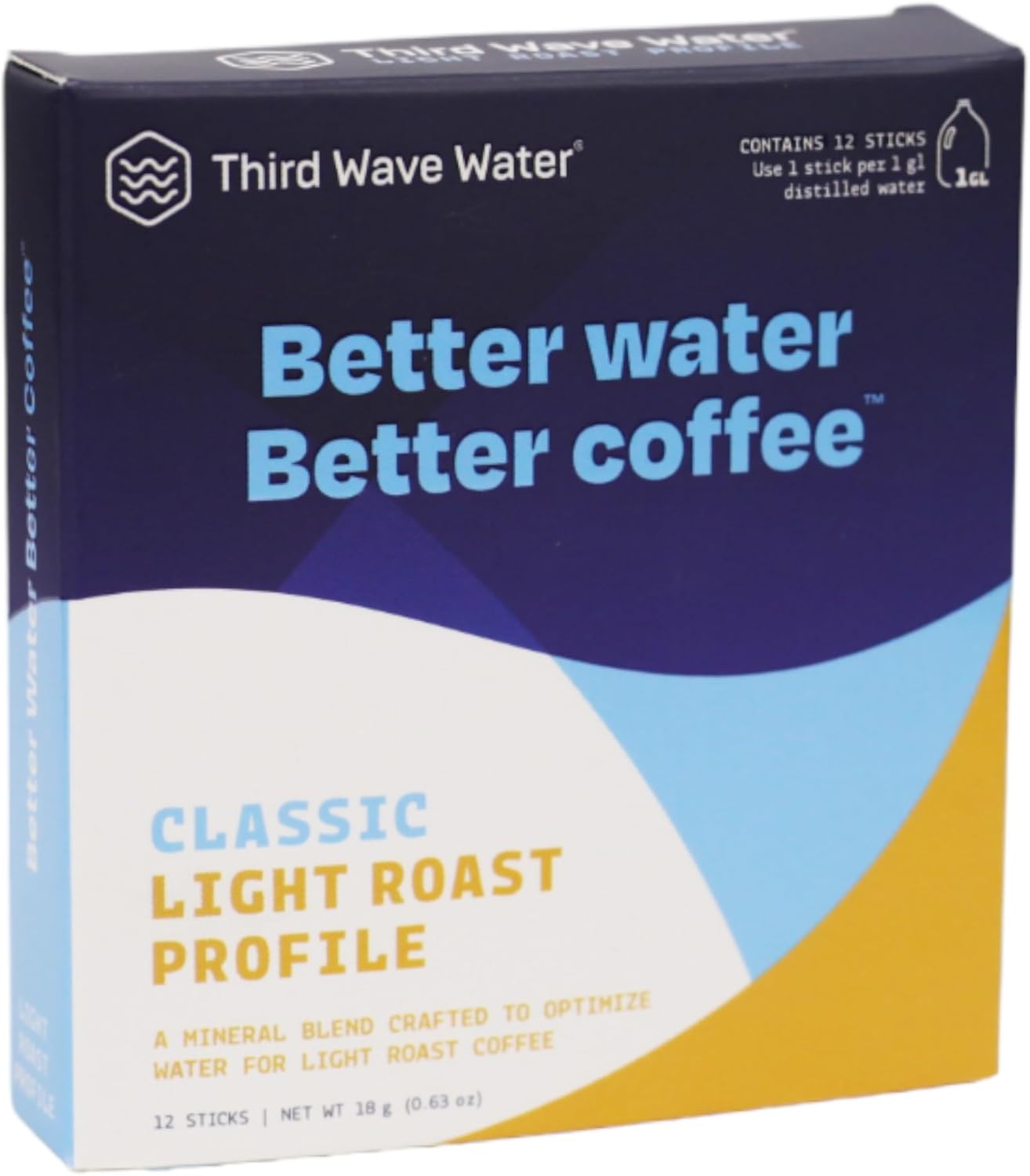
Third Wave Water · Classic Light Roast Profile (12-pack)
Third Wave Water solves the brewing water problem with a pre-formulated mineral mix.
Bodum · Pavina Double-Wall Glasses (Set of 6, 12oz)
The cafe glass for serving iced lattes, iced Americanos, and cold brew at home.
$40.99
View on Amazon →Hario · Cupping Spoon (Kasuya Model)
The right shape matters.


Pulled may earn a commission on purchases. Cookie applies to all Amazon items in your next 24 hours, not just this product.
See all Pulled Picks →Keep going with Pulled