May 20, 2026
Coffee and Pregnancy: The 200mg Daily Caffeine Limit Explained
Some links in this guide are affiliate links. If you buy through them, Pulled may earn a commission at no extra cost to you. Our recommendations are based on editorial judgment and coffee culture knowledge, not commission rates.
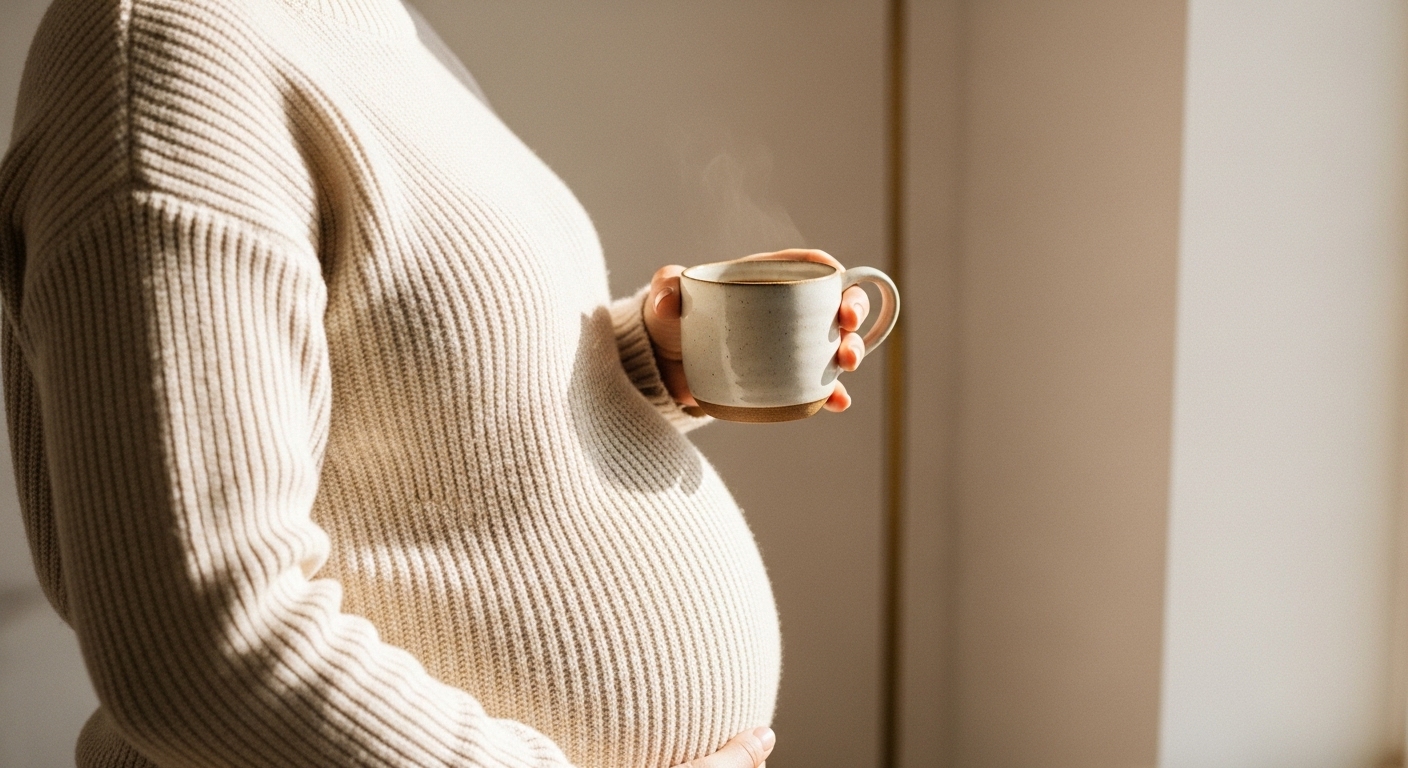
The American College of Obstetricians and Gynecologists caps daily caffeine intake during pregnancy at 200 milligrams. That is one 12-ounce brewed coffee from most specialty cafes, two cups of black tea, or roughly two shots of espresso. Below that line, the evidence does not show meaningful increases in miscarriage, low birth weight, or preterm birth. Above it, the data turns less reassuring.
This guide walks through the 200 milligram limit, the biology of caffeine crossing the placenta, the miscarriage research, what changes across the three trimesters, where caffeine hides outside the coffee cup, what decaf actually contains, what happens after delivery while breastfeeding, and what to drink once you have hit the daily ceiling and still want something warm in your hand.
A note before going further. This piece is editorial and evidence-based, not personalized medical advice, and it should be read by a qualified obstetric clinician before being relied on. Pregnancy varies. Conditions vary. The right answer for any individual patient runs through their obstetrician or midwife. If your clinician sets a stricter limit, follow it. The 200 milligram figure is a population-level ceiling, not a personal prescription.
The 200 milligram rule, in plain English
ACOG issued its current caffeine recommendation in Committee Opinion 462, originally published in 2010 and reaffirmed in subsequent updates. The position is concise: moderate caffeine consumption, defined as less than 200 milligrams per day, does not appear to be a major contributor to miscarriage or preterm birth. The relationship between caffeine and fetal growth restriction is less settled, which is part of why the threshold sits where it does rather than higher.
What 200 milligrams looks like in real drinks:
- A 12-ounce brewed drip coffee from a typical specialty cafe: 180 to 200 milligrams.
- A 16-ounce brewed coffee from Starbucks: roughly 310 milligrams. Already over the daily limit in one cup.
- A single shot of espresso: about 65 milligrams.
- A double shot of espresso: about 130 milligrams.
- An 8-ounce cup of black tea: 47 milligrams.
- An 8-ounce cup of green tea: 28 milligrams.
- A 12-ounce can of Diet Coke: 46 milligrams.
- A 12-ounce can of Coca-Cola Classic: 34 milligrams.
- An 8-ounce serving of matcha latte (1 teaspoon ceremonial grade): roughly 70 milligrams.
- A 1-ounce square of dark chocolate at 70 percent cocoa: roughly 12 milligrams.
- A 16-ounce cold brew: 200 to 280 milligrams, depending on the cafe.
The math is the math. One specialty cafe brewed coffee in the morning and a piece of dark chocolate in the afternoon lands you near the ceiling. A 16-ounce cold brew lands you over. The point is not panic. The point is knowing what is actually in the cup before you order it.
The 200 milligram figure is also supported by the World Health Organization, the European Food Safety Authority (which sets the same limit), and the American Pregnancy Association. It is one of the most consistently endorsed numbers in obstetric nutrition, which is unusual in a field where guidance often diverges between bodies.
Why caffeine crosses the placenta
The placenta is selective but not impermeable. Caffeine is a small molecule, lipid-soluble, and uncharged at physiological pH. Those three properties together mean it crosses the placental barrier almost freely. By the time a pregnant patient finishes a cup of coffee, the caffeine concentration in fetal blood approaches the concentration in maternal blood within an hour.
This matters because the fetus cannot metabolize caffeine. The enzyme responsible for breaking caffeine down in adults, CYP1A2, is essentially inactive in the fetus and remains so for the first months after birth. So caffeine that crosses into fetal circulation stays there until the maternal liver clears it from the system on the maternal side.
Maternal caffeine clearance also slows substantially during pregnancy. The half-life of caffeine in non-pregnant adults averages around 5 hours. In the second trimester, it lengthens to roughly 10 hours. In the third trimester, it can reach 15 hours. A morning coffee that would be mostly cleared by the afternoon in a non-pregnant person is still partially circulating at bedtime in late pregnancy. This is why a daily 200 milligram intake produces meaningfully higher steady-state caffeine levels in pregnant patients than the same intake in non-pregnant patients.
The combined picture explains the conservative ceiling. Caffeine enters the fetal compartment freely. The fetus cannot clear it. The mother clears it three times more slowly than normal. Cumulative exposure from a single cup is substantially greater than the dose suggests. Against that backdrop, 200 milligrams is not a generous allowance. It is a calibrated ceiling chosen because available data does not show clear harm below that point.
A second-order effect: caffeine constricts blood vessels, including those supplying the placenta. The degree is modest at low doses, more pronounced at high doses. Reduced placental blood flow is one of the proposed mechanisms by which high caffeine intake might affect fetal growth, although the causal chain remains under investigation.
What the miscarriage research actually shows
The most cited study on caffeine and miscarriage is the 2008 prospective cohort by De-Kun Li and colleagues at Kaiser Permanente, published in the American Journal of Obstetrics and Gynecology. It followed 1063 pregnant women in San Francisco and measured caffeine intake by interview. Women consuming 200 milligrams or more per day had roughly double the miscarriage rate of women consuming none, with the effect persisting after adjustment for nausea (a key confound, because nausea itself reduces caffeine intake and is associated with healthy pregnancies).
A 2016 NIH study led by Germaine Buck Louis, published in Fertility and Sterility, looked at preconception caffeine intake in 344 couples. Caffeine consumption above three drinks per day in either partner in the weeks before conception was associated with a 74 percent higher miscarriage risk. The novel finding was the paternal contribution, which had received less attention in prior literature.
A 2021 meta-analysis in BMJ Evidence Based Medicine by Jack James pulled together 48 observational studies and concluded that the dose-response relationship between caffeine and adverse pregnancy outcomes (miscarriage, stillbirth, low birth weight, acute childhood leukemia, childhood obesity) was strong enough to question whether any safe threshold existed. The author argued for abstinence rather than moderation. The paper was contested by other researchers who pointed to residual confounding from pregnancy symptoms and the limits of observational data.
The honest summary. The evidence below 200 milligrams is reassuring but not perfectly clean. The evidence above 200 milligrams shows consistent signals of harm. Whether a smaller intake (say, 50 to 100 milligrams) carries a small residual risk is unsettled, and reasonable obstetricians give different answers. Some patients choose to abstain entirely on the grounds that no level has been proven safe. Others stay within 200 milligrams on the grounds that consensus guidance is built on the existing evidence. Both choices are reasonable. The unreasonable choice is consuming 300 or 400 milligrams daily and assuming the published warnings do not apply.
Trimester by trimester
The 200 milligram ceiling is a daily cap that applies across the entire pregnancy. It does not change by trimester. What changes is how the body and the pregnancy respond to caffeine, and that shifts what the cap means in practice.
First trimester (weeks 1 to 13)
This is the window of highest miscarriage risk. Most miscarriages occur in the first trimester, and most of the caffeine-related miscarriage research clusters its findings here. It is also the window when nausea peaks, which often makes coffee unappealing. Many patients naturally cut back during the first trimester because they simply do not want it. Those who can tolerate it should stay well under 200 milligrams. Some obstetricians suggest 100 milligrams as a stricter first-trimester ceiling. Others hold at 200. Maternal caffeine half-life is still close to non-pregnant levels at this stage, so the same dose produces less cumulative exposure than later in pregnancy.
Second trimester (weeks 14 to 27)
Nausea typically subsides. Coffee tastes good again. The maternal half-life of caffeine has roughly doubled to 8 to 10 hours, so a morning cup is still in the system in the evening. This is the trimester where patients are most likely to drift over the 200 milligram limit because they feel well and energy demands climb. Track intake here. If you find yourself wanting a second cup in the afternoon, switch the afternoon drink to decaf or to something caffeine-free.
Third trimester (weeks 28 to 40)
Caffeine half-life can reach 15 hours. A 200 milligram intake produces noticeably higher steady-state levels than the same intake earlier in pregnancy. Caffeine also affects sleep more strongly in the third trimester, when sleep is already disrupted by pregnancy physiology. Many obstetricians suggest moving the daily caffeine intake to before noon and dropping to a single small cup. Some patients switch entirely to decaf at this stage for sleep reasons alone, independent of fetal exposure concerns.
The principle across all three trimesters: 200 milligrams is a ceiling, not a target. The fewer milligrams consumed below that ceiling, the wider the safety margin against any residual risk that smaller studies have not yet detected.
Hidden caffeine sources
Counting coffee alone underestimates daily intake. Caffeine is present in a long list of foods, drinks, and over-the-counter products that do not announce themselves as caffeine sources.
Chocolate. Dark chocolate contains 12 milligrams per 1-ounce square at 70 percent cocoa, and up to 24 milligrams at higher percentages. A 3.5-ounce dark chocolate bar can deliver 70 milligrams, which is meaningful when combined with a morning coffee. Milk chocolate runs 6 to 9 milligrams per ounce. Hot chocolate made with real cocoa runs 5 to 15 milligrams per cup depending on cocoa content.
Tea. Black tea averages 47 milligrams per 8-ounce cup. Green tea averages 28 milligrams. Matcha is far higher because the whole leaf is consumed: a 1 teaspoon serving of ceremonial grade matcha contains roughly 70 milligrams of caffeine. Chai concentrates can run 50 to 100 milligrams per serving depending on tea base and brew strength. Herbal teas (rooibos, peppermint, chamomile, ginger) are caffeine-free, but read labels because many blended herbal teas include green tea or yerba mate.
Soda. A 12-ounce can of Diet Coke contains 46 milligrams. Coca-Cola Classic 34 milligrams. Mountain Dew 54 milligrams. Diet Mountain Dew 54 milligrams. Pepsi 38 milligrams. Sprite, Fanta, and 7-Up are caffeine-free, but check labels because formulations vary by country.
Energy drinks. Generally avoid during pregnancy. A 16-ounce Monster contains 160 milligrams of caffeine plus a large dose of taurine and other compounds whose pregnancy safety is not established. Red Bull, Bang, Celsius, and similar products fall into the same category. ACOG and the FDA both advise against them.
Medications. Excedrin Migraine contains 65 milligrams of caffeine per tablet. Anacin contains 32 milligrams. Some prescription headache medications include caffeine. Many cold and flu products contain caffeine. Read the active ingredient panel on any over-the-counter product before taking it. Better, ask your obstetrician before taking any medication during pregnancy.
Ice cream and yogurt. Coffee-flavored ice cream contains real coffee. A half cup of Haagen-Dazs coffee ice cream contains roughly 29 milligrams. Coffee-flavored Greek yogurt runs similar. Mocha and tiramisu desserts contain caffeine. Coffee jelly contains caffeine.
Pre-workout supplements and weight-loss products. Usually contain large doses of caffeine and other stimulants. Discontinue during pregnancy.
The cumulative point: a brewed coffee, a piece of dark chocolate, and a glass of iced tea over the course of a day can together add up to 260 milligrams without anyone feeling like they had two coffees. Track sources, not just the coffee itself.
Decaf during pregnancy
Decaffeinated coffee is safe during pregnancy and is the most common substitute when patients hit the 200 milligram ceiling and still want a warm cup. Two clarifications matter.
First, decaf is not caffeine-free. Federal regulation in the United States requires that decaffeinated coffee have at least 97 percent of its caffeine removed. In practice, that leaves 2 to 15 milligrams per 8-ounce cup depending on the bean, the decaffeination method, and the brew. A typical specialty decaf runs 5 to 10 milligrams per cup. Three cups of decaf is still 15 to 30 milligrams of caffeine, which counts against the daily ceiling.
Second, decaffeination methods differ. The four common methods:
- Swiss Water Process. Uses only water, no chemical solvents. Most expensive. Generally considered the most pregnancy-friendly option for patients who want zero solvent exposure.
- CO2 process (supercritical carbon dioxide). Uses pressurized CO2 to extract caffeine. No chemical solvent residue. Also pregnancy-friendly.
- Ethyl acetate process (often labeled "natural" or "sugar cane process"). Uses ethyl acetate as the solvent, which can be derived from fruit. Trace residue is well within FDA limits and considered safe.
- Methylene chloride process. Uses methylene chloride as the solvent. The FDA permits residue up to 10 parts per million in decaf coffee; actual residue in finished coffee is typically near zero after roasting (methylene chloride boils at 104 degrees Fahrenheit, and roasting reaches over 400). The EU and California Prop 65 have flagged the chemical at high exposures. The decaf is legal and most regulatory bodies consider it safe at residue levels, but some patients prefer to avoid it during pregnancy on a precautionary basis.
If the decaffeination method is not labeled, it is most often methylene chloride for commodity decaf. Specialty cafes increasingly label their decaf as Swiss Water or CO2 process. Asking the barista is reasonable. Most specialty cafes will know.
A practical pregnancy pattern that works for many patients: one regular brewed coffee in the morning (about 180 milligrams), then decaf for any subsequent cups, switching to a Swiss Water or CO2 process decaf when available. This holds total caffeine intake comfortably under 200 milligrams while preserving the morning ritual.
Postpartum and breastfeeding caffeine
The 200 milligram caffeine limit relaxes meaningfully after delivery. The placental exposure pathway is gone. What remains is breastmilk transfer, and the math is different.
Roughly 1 percent of maternal caffeine intake transfers into breastmilk. A 200 milligram coffee produces breastmilk caffeine levels of around 2 milligrams in total. For comparison, an infant Tylenol dose can run 80 milligrams. The doses transferred through breastmilk are small in absolute terms.
The complication is infant metabolism. Newborn livers cannot clear caffeine efficiently. The half-life of caffeine in a newborn is roughly 80 hours, compared to 5 hours in an adult. By 3 months of age, infant caffeine clearance approaches adult levels. So caffeine effects on breastfed infants are most pronounced in the first three months and diminish steadily after that.
The Academy of Breastfeeding Medicine and most lactation guidance suggests up to 300 milligrams per day during breastfeeding is generally well tolerated. Some sources allow up to 500 milligrams, though most clinicians stay conservative in the early weeks. Watch the infant. If a baby seems unusually fussy, wakeful, or jittery after a high-caffeine day, cut back. Most babies tolerate maternal caffeine without issue, but a minority appear sensitive.
Timing matters less than people assume. Pumping and dumping after coffee is not necessary. Peak breastmilk caffeine occurs roughly an hour after maternal consumption. If timing matters at all, drinking coffee immediately after a feed (so the next feed lands during the peak window) is the only meaningful adjustment, and even that is overkill for most infants.
Espresso, drip, decaf, tea, all the same rules apply: the cumulative caffeine load matters, individual drinks do not. Most breastfeeding parents find they can return to a normal coffee routine within a few weeks of delivery. The relief of being able to drink a full cup again is a small but real moment in postpartum recovery.
What to drink instead
Hitting the 200 milligram ceiling early in the day and still wanting a warm drink is a common pregnancy problem. The good options:
Decaf coffee. Covered above. Swiss Water Process or CO2 process if available. 5 to 10 milligrams per cup. The same ritual, almost the same drink.
Herbal teas. Rooibos is the best caffeine-free substitute for a milky tea. It is naturally sweet, brews red, takes milk well, and contains zero caffeine. Peppermint, ginger, chamomile, hibiscus, and lemon balm are pregnancy-safe and caffeine-free. A short list of herbal teas should be avoided in pregnancy, including high doses of licorice root, sage, parsley, and some traditional medicinal blends. When in doubt, ask your obstetrician.
Golden milk. Turmeric, ginger, black pepper, cinnamon, milk. Warm, satisfying, caffeine-free, and the spices are pregnancy-safe at culinary doses.
Hot chocolate, carefully. Real cocoa hot chocolate has 5 to 15 milligrams of caffeine per cup. Counts against the daily ceiling but contributes modestly. Hot cocoa made with carob is caffeine-free if you want a true zero-caffeine chocolate drink.
Decaf chai. A growing number of cafes offer a decaffeinated chai concentrate, or brew chai with rooibos as the base. Same warm spice profile, no caffeine.
Steamed milk drinks. A steamer (steamed milk with vanilla or another flavored syrup, no espresso) is a satisfying cafe order that contains zero caffeine. Most cafes will make one. Add cinnamon, vanilla, lavender, hazelnut, or any non-coffee syrup.
Sparkling water with citrus. Not a hot drink, but a real substitute for soda and a useful afternoon ritual.
The strategy that works best in practice is to commit the morning slot to one good coffee, then move to caffeine-free drinks for the rest of the day. The pleasure of a single, well-made morning coffee is bigger than the pleasure of three mediocre afternoon ones, and the math works out within the ACOG limit.
Common questions about coffee and pregnancy
How much caffeine is safe during pregnancy?
ACOG recommends keeping daily caffeine intake under 200 milligrams during pregnancy. That is roughly one 12-ounce brewed coffee from a specialty cafe, two cups of black tea, or two shots of espresso. Below this threshold, current evidence does not show meaningful increases in miscarriage, low birth weight, or preterm birth.
Is one cup of coffee a day safe during pregnancy?
Yes, if the cup contains less than 200 milligrams of caffeine. A 12-ounce brewed coffee from most specialty cafes lands at 180 to 200 milligrams, putting one cup right at or just under the daily limit. A 16-ounce Starbucks brewed coffee is roughly 310 milligrams and exceeds the limit in a single cup.
Is decaf coffee safe during pregnancy?
Yes. Decaf is considered safe during pregnancy. Note that decaf is not caffeine-free; an 8-ounce cup contains 2 to 15 milligrams of caffeine depending on bean and processing. Swiss Water Process and CO2 process decafs use no chemical solvents and are common choices among pregnant patients.
Does caffeine cause miscarriage?
High caffeine intake (over 200 milligrams per day) is associated with an increased miscarriage rate in multiple prospective studies, most prominently the 2008 Kaiser Permanente cohort. Below 200 milligrams, the evidence is more reassuring, although some researchers argue no threshold has been proven safe. Consensus guidance accepts 200 milligrams as a calibrated ceiling.
Can I drink espresso while pregnant?
Yes, in moderation. A single shot is about 65 milligrams of caffeine. A double shot is about 130 milligrams. Both fit within the 200 milligram daily limit. A flat white, cortado, or latte made with a single or double shot follows the same math; the milk does not add caffeine.
Is matcha safe during pregnancy?
Yes, in moderation. A 1 teaspoon serving of ceremonial grade matcha contains roughly 70 milligrams of caffeine. Two matcha lattes a day fits within the 200 milligram limit. Matcha also contains L-theanine, which produces a calmer caffeine effect than coffee.
What about cold brew during pregnancy?
Cold brew is typically stronger than hot brewed coffee. A 16-ounce cold brew can run 200 to 280 milligrams of caffeine. One 16-ounce cold brew often hits or exceeds the daily limit. Order a smaller size, or order an iced regular coffee instead, which contains about half the caffeine.
How much caffeine is in chocolate?
Dark chocolate contains 12 milligrams per 1-ounce square at 70 percent cocoa, up to 24 milligrams at higher percentages. A 3.5-ounce dark chocolate bar can deliver 70 milligrams. Milk chocolate runs 6 to 9 milligrams per ounce. Track chocolate intake alongside coffee when nearing the daily limit.
Can I have coffee in the first trimester?
Yes, as long as you stay under 200 milligrams per day. Most miscarriages occur in the first trimester, and the caffeine-related miscarriage signal in research is concentrated in this window. Some obstetricians suggest a stricter first-trimester ceiling of 100 milligrams as a precaution. Discuss with your clinician.
Can I drink coffee while breastfeeding?
Yes. The Academy of Breastfeeding Medicine considers up to 300 milligrams per day generally well tolerated. Only about 1 percent of maternal caffeine transfers to breastmilk. Watch the infant; some babies are more sensitive in the first three months.
Does caffeine affect the baby's sleep through breastmilk?
It can, especially in newborns under 3 months whose livers cannot clear caffeine efficiently. If a breastfed infant is unusually wakeful or jittery, reduce caffeine intake and reassess. Most babies tolerate normal coffee intake by the mother without issue.
Should I switch to decaf for the whole pregnancy?
Not necessarily. The 200 milligram limit allows one regular cup of coffee daily for most patients. Some choose to abstain entirely as a precaution, which is reasonable. A common pattern is one regular morning coffee, then decaf or caffeine-free drinks for the rest of the day.
Is the methylene chloride decaf process safe during pregnancy?
Most regulatory bodies, including the FDA, consider methylene chloride decaf safe. Residual solvent in the finished coffee is typically near zero after roasting. The EU and California Prop 65 have flagged the chemical at high exposures. Pregnant patients who prefer to avoid it can choose Swiss Water Process or CO2 process decafs, which use no chemical solvents.
Are energy drinks safe during pregnancy?
No. ACOG and the FDA advise against energy drinks during pregnancy. They typically contain 150 to 300 milligrams of caffeine per can plus other stimulants whose pregnancy safety is not established. Avoid them entirely.
Editorial note: this article should be reviewed by a qualified obstetric clinician before publication and should not be used in place of personalized medical advice. Sources cited include ACOG Committee Opinion 462, the 2008 Kaiser Permanente cohort (Li et al., American Journal of Obstetrics and Gynecology), the 2016 NIH preconception caffeine study (Buck Louis et al., Fertility and Sterility), the 2021 BMJ Evidence Based Medicine meta-analysis by Jack James, the Academy of Breastfeeding Medicine, the FDA, and the European Food Safety Authority.
Our Picks
What we'd buy on Amazon for this
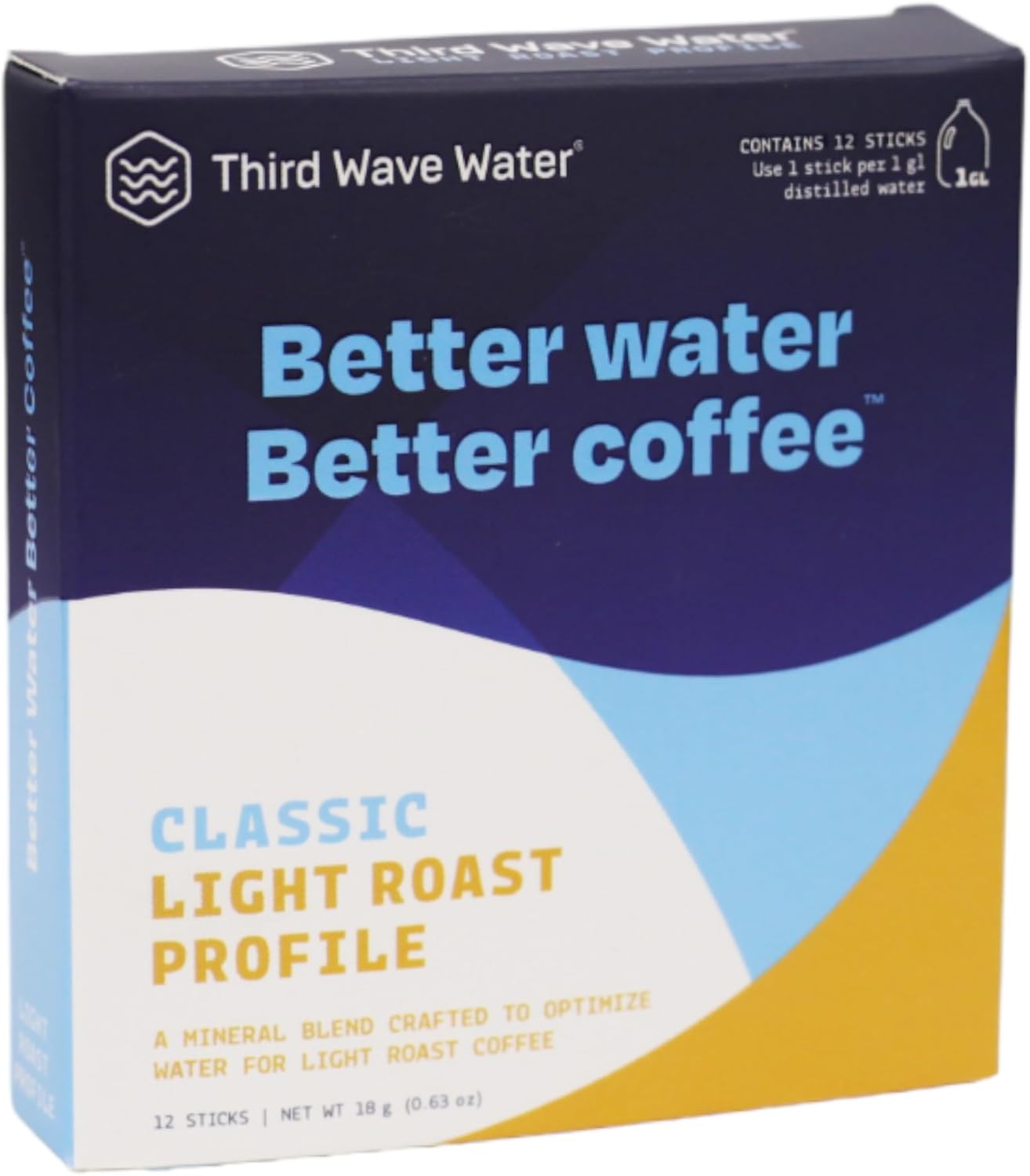
Third Wave Water · Classic Light Roast Profile (12-pack)
Third Wave Water solves the brewing water problem with a pre-formulated mineral mix.
Bodum · Pavina Double-Wall Glasses (Set of 6, 12oz)
The cafe glass for serving iced lattes, iced Americanos, and cold brew at home.
$40.99
View on Amazon →Hario · Cupping Spoon (Kasuya Model)
The right shape matters.


Pulled may earn a commission on purchases. Cookie applies to all Amazon items in your next 24 hours, not just this product.
See all Pulled Picks →Keep going with Pulled