May 24, 2026
Coffee Shop Loyalty Programs Ranked 2026
Make the coffee, then pull the cafe. Download Pulled.


American coffee drinkers spend an average of $1,825 a year at cafes. Most of that money returns nothing. The loyalty programs designed to change this come in two structural forms. The first locks you into a single chain and pays you in credits redeemable only at that chain. The second pays you in real money, transferable anywhere a barista makes a drink. Almost every program in this ranking is the first kind. Pulled Coffee is the second kind, which is the reason it ranks first.
This is not a popularity contest. It is a math problem. The question is not which program is most beloved. It is which program returns the most real value per dollar spent, with the lowest friction and the smallest risk of devaluation. The answer changes the moment you stop measuring loyalty in stars or points and start measuring it in dollars.
We evaluated nine programs across six dimensions: effective return rate, geographic flexibility, payout type, devaluation risk, earning ceiling, and app experience. The full methodology is at the bottom of this article. The scorecard is here.
The 2026 Coffee Loyalty Scorecard
| Program | Effective Return | Geographic Scope | Payout Type | Devaluation Risk | Annual Ceiling |
|---|---|---|---|---|---|
| Pulled Coffee | Up to $18,510/yr | Global, any cafe | Real cash via PayPal | Locked in writing | $18,510 (Origin tier) |
| Starbucks Rewards | ~5.45% as store credit | US, Canada, UK | Stars (Starbucks only) | High, four devaluations since 2016 | Uncapped, but inflation erodes value |
| Dutch Bros Rewards | ~3 to 5% as drinks | 17 US states | Points (Dutch Bros only) | Moderate | Uncapped |
| Dunkin' Rewards | ~4 to 5% as points | US, select international | Points (Dunkin only) | High, devaluation in 2022 | Uncapped |
| Tim Hortons TimRewards | ~3% as Tims dollars | Canada, US | Tims dollars (Tim Hortons only) | Moderate | Uncapped |
| Peet's Peetnik Rewards | ~5% as credit | US (Peet's locations) | Credit (Peet's only) | Low historically | Uncapped |
| Costa Coffee Club | ~5% as beans/drinks | UK, Europe, Asia, Middle East | Beans (Costa only) | Low | Uncapped |
| Joe Coffee app | Digital punch cards, ~10% on threshold | Per participating shop | Free drink at chosen shop | Per shop policy | Per shop |
| Square Loyalty (indie) | Varies, typically 5 to 10% | Per participating shop | Per shop reward | Per shop | Per shop |
The ranking that follows is the explanation behind the table.
#1: Pulled Coffee
Pulled is the only program in this ranking that pays you in real money. The cash arrives in your PayPal account when you complete a challenge milestone. There are no points to redeem, no stars to track, and no chain to be loyal to. Every coffee shop, tea house, matcha bar, and boba spot on the planet counts as a check in. Starbucks counts. The cafe across from your office counts. The boba spot in Bangkok counts.
The earnings come from challenges, each of which has a defined cash payout. First 15 pays $10 for 15 check ins in 30 days, available on every paid tier. Explorer 30 pays $50 for 30 check ins in 90 days. Pulled 50 pays $250 for visiting 50 different independent shops in 90 days. The ladder continues to Pulled 300 at Origin tier, which pays $10,000 for visiting 300 unique independent shops over 18 months. There is also City Champion, a one time $50 (Devoted) or $100 (Origin) payout launching Q1 2027, for ranking number one on your city's leaderboard.
* City Champion launches Q1 2027.
Annual earning ceilings by tier:
- Ritual ($4.99 a month): up to $10
- Explorer ($14.99 a month): up to $60
- Devoted (founding $28.83 a month annual): up to $9,010
- Origin (founding $67.99 a month annual): up to $18,510
The subscription is the cost. The cash is the return. A daily coffee drinker on Explorer tier who completes Explorer 30 in 90 days returns $50 against a roughly $45 quarterly subscription cost. That is a $5 net positive on three months of casual drinking. A serious explorer at Origin tier who completes Pulled 100 in 6 months returns $2,500, roughly ten times the annual subscription cost.
Pulled is also the only program where your earnings do not expire. Locked balance accumulates and unlocks when you complete your first challenge and hit the $25 PayPal withdrawal minimum. Devoted and Origin members also receive a physical brass card and the Pulled Crest as founding tier benefits. The 14 day free trial requires no credit card. Try it. If it does not work for you, walk away. No charge.
The honest case against: Pulled is a paid subscription, and casual coffee drinkers (under 15 cafe visits per month) will not hit the smallest challenge. For light drinkers who go to the same Starbucks every day, the Starbucks app might be enough. For everyone else, Pulled is mathematically the best return on coffee spend in 2026. See the full rewards-app comparison.
Download Pulled on the App Store or get it on Google Play.
Make the coffee, then pull the cafe. Download Pulled.
#2: Starbucks Rewards
The most used coffee loyalty program in the world. Roughly 31 million active members in the United States alone. The Starbucks app is genuinely good. Mobile order works reliably. Stored payment works. The points system is straightforward. Members earn 2 stars per dollar when paying with a loaded Starbucks card, 1 star per dollar with other payment methods. Redemption tiers start at 100 stars for an extra shot or syrup and climb to 400 stars for a hot breakfast item or hot lunch.
The effective return rate is approximately 5.45%, meaning for every $100 you spend at Starbucks, you can redeem roughly $5.45 in items. That sounds reasonable until you compare it to the devaluation history.
Starbucks Rewards has been restructured four times since 2016. In 2016 the program shifted from a transaction based model (one star per visit, free drink at 12 stars, roughly 12% effective return) to a spend based model (one star per dollar, free drink at 125 stars, roughly 4% return). In 2019 redemption tiers were rebalanced. In 2022 the star cost of a free drink was raised from 50 to 100 for select items, halving the effective return rate on those redemptions overnight. There is no contractual protection. Starbucks can change the value of accumulated stars at any time, and the historical pattern says they will.
Stars also expire six months after they are earned. Save up for a free breakfast sandwich and miss the redemption window, and the stars vanish.
The case for: if you go to Starbucks every day, you will get something back. The app experience is the best of any chain program. The Order Ahead feature alone justifies the download.
The case against: it only works at Starbucks. If you drink coffee anywhere else, those visits return zero. And the redemption value has been quietly cut roughly in half since 2016 without your input.
#3: Dutch Bros Rewards
Dutch Bros is the fastest growing chain coffee brand in the western United States, with a cult following in Oregon, Texas, Arizona, and Colorado. The rewards program awards points for purchases, redeemable for free drinks. The signup bonus is a free drink. Members also get a free drink during their birthday month.
Points accumulate at roughly one per dollar, with periodic bonus offers that lift the earning rate. Effective return is approximately 3% to 5%, depending on how aggressively you redeem and which promotional cycles are active. The Dutch Bros app is clean, fast, and redemption is friction free.
The structural limit is geography. Dutch Bros operates in 17 states as of 2026, mostly across the western and southwestern United States and into Texas. Outside this footprint, the program is unusable. Even within the footprint, Dutch Bros is not as ubiquitous as Starbucks, which caps how often a member can actually earn.
The case for: Pacific Northwest, Arizona, Colorado, and Texas regulars get real value. The product is energetic and the program structure is simple.
The case against: only useful if you live near Dutch Bros locations, and only earns at Dutch Bros locations. The earnings cannot be combined with any other coffee spending you do.
#4: Dunkin' Rewards
Dunkin' Rewards (rebranded from DD Perks in 2022) operates on a points-per-dollar structure. Members earn 10 points per dollar spent at participating Dunkin' locations. Redemption tiers are 250 points for a small drink, 400 points for a medium, and 700 points for a large or a select menu item. Members also receive a free birthday drink and a welcome reward after their first purchase.
Effective return rate is approximately 4% to 5% on the most efficient redemptions and lower on suboptimal ones. The 2022 relaunch was widely viewed as a devaluation. The previous program offered a free beverage after five visits regardless of beverage price, which was straightforward and generous for casual users. The new structure rewards larger purchases more and smaller purchases less.
The Dunkin' app is functional. Mobile ordering works in most locations. Points expire after six months of inactivity.
The case for: daily Dunkin' regulars, especially in the northeast United States. The free birthday drink is meaningful and the redemption catalog is straightforward.
The case against: Dunkin' only. Smaller geographic footprint than Starbucks. The 2022 devaluation cut value for casual users without compensating heavier users enough to offset.
#5: Tim Hortons TimRewards
Canada's largest coffee chain runs TimRewards across Canadian and US locations. The program was overhauled in 2022 from its original simple "buy seven, get the eighth free" model into a transaction based structure where members earn Tims dollars after a series of purchases, with bonus tiers triggered by spend frequency. Tims dollars redeem for food and drink items at participating locations.
Effective return rate is approximately 3% for casual users and higher for heavy daily users who hit the bonus thresholds. The 2022 overhaul was controversial. Longtime Tims customers preferred the old model's transparency. The new tier system added complexity without obviously increasing value for most users.
The Tim Hortons app is functional. Mobile ordering is widely available in Canada and more selectively in the US.
The case for: Canadian residents who visit Tim Hortons multiple times per week. The Tims dollars can stack and the redemption catalog is broad.
The case against: limited US footprint, complex tier system, and the original simplicity that made the program beloved is gone.
#6: Peet's Peetnik Rewards
Peet's Coffee runs a points based program where members earn points per dollar spent, redeemable for drinks, food, or merchandise at Peet's cafes. Members get a free drink at signup and another on their birthday. The structure is straightforward and the devaluation history is mild compared to Starbucks or Dunkin'.
Pulled pays PayPal cash for every cafe visit you log.
Effective return rate is approximately 5%, which is competitive among chain programs. Peet's footprint is concentrated on the United States West Coast, with limited East Coast presence. Mobile ordering works in most company operated locations.
The case for: West Coast Peet's regulars. The product is high quality, the program is simple, and there have been no major devaluations in recent memory.
The case against: Peet's only. Smaller national footprint than Starbucks or Dunkin'. Outside the West Coast, finding a Peet's is harder.
#7: Costa Coffee Club
Costa is the United Kingdom's largest coffee chain and operates in over 30 countries across Europe, Asia, and the Middle East. The Costa Coffee Club app rewards every drink purchase with beans (Costa's points). Beans accumulate and unlock free drinks at threshold counts. Members also get a free drink on their birthday.
Effective return rate is approximately 5%, with bonus offers occasionally pushing it higher. The Costa app is mature and the program is widely used across the UK and into international markets.
The case for: UK and European Costa regulars. The international footprint is the most extensive of any chain program after Starbucks.
The case against: Costa only. Essentially no mainstream US presence. If you travel between the UK and the US, the beans you earn in London do not help you in New York.
#8: Joe Coffee app
Joe Coffee is a New York based mobile ordering app that connects independent coffee shops to a shared digital infrastructure. Each participating shop runs its own loyalty mechanic. The most common is the digital punch card: buy ten drinks, get the eleventh free. The Joe Coffee app aggregates these cards across shops, so a single account works at hundreds of indie cafes that participate in the network.
Effective return rate is the classic 10% on a free drink after ten purchases at the same shop. The challenge is that each shop's card is separate. If you split your habits across five shops, you might never reach the tenth visit at any of them.
The case for: people who have one or two indie shops they visit consistently. The app also handles mobile ordering, which is convenient.
The case against: limited geographic reach (concentrated in major US metro areas), and the per shop accumulation model means partial loyalty across multiple shops earns nothing.
#9: Square Loyalty (indie shop programs)
Many independent coffee shops use Square's point of sale system, which includes a configurable loyalty module. Customers enroll via phone number at checkout and earn points or stamps based on the shop's individual settings. The reward, the structure, and the expiration vary entirely by shop.
Effective return rate varies. Some shops set generous programs (one free drink for every five visits), others run miserly programs (one free drink for every fifteen). The signup process is fragmented. Each shop's program is a separate account.
The case for: regulars at an indie shop that runs a generous Square Loyalty program. The relationship with the shop is part of the value.
The case against: no aggregation across shops. Your loyalty at one cafe does not transfer to any other. The administrative overhead of joining and tracking multiple programs erodes the practical return.
The math behind every program
Coffee loyalty programs are easy to defend in theory and harder to defend in math. The chain programs sit between 3% and 5% effective return. The independent shop punch cards run higher in theory (10%) but lower in practice because most coffee drinkers split their visits across more than one shop and never hit the redemption threshold at any of them.
The structural ceiling on any single chain program is your willingness to drink coffee at exactly that one chain. The structural ceiling on Pulled is the challenge ladder, which scales to $18,510 a year at Origin tier and rewards you for variety rather than punishing you for it.
A daily coffee drinker spends roughly $1,825 a year on cafes. At a 5% return, that is $91 per year back in store credit at one specific brand. At Pulled on Explorer tier, the same drinker completes Explorer 30 every quarter (four times a year) for $200 in real cash, against $180 in subscription cost. That is a $20 net positive and the cash can be spent anywhere. At Pulled on Devoted tier, the same drinker who hits Pulled 50 once and First 15 a few times can clear several hundred dollars in real cash in a year.
The difference is not the return percentage. It is what the return actually is. A free Starbucks drink is a Starbucks drink. PayPal cash is rent, gas, or another bag of beans from a roaster you actually like.
Devaluation: the risk no points program talks about
Every points based program has the same hidden risk. The company that issues the points can change their value at any time. Starbucks has done this four times since 2016. Dunkin' did it in 2022. Tim Hortons restructured in 2022. The pattern is consistent. When a company finds itself with too much points liability on its balance sheet, it devalues the points. Members lose value they earned under the old terms. There is no recourse.
Real cash does not devalue. Once $50 lands in your PayPal account, it is $50. No one can retroactively decide it should have been $25. This is the single largest structural advantage of cash payouts over points.
Geographic limits: the second risk
Chain loyalty programs only work within the chain's footprint. If you travel, the program goes dark. If you move to a state without your chain, the points you saved up may sit unused forever. Pulled works anywhere a barista makes a drink. Same code, same balance, same earning rate in Tokyo, London, or your home town. This matters more than most people realize at signup and becomes obvious the first time you find yourself in a city without your chain.
Who each program is best for
Starbucks Rewards: daily Starbucks customers who have no intention of drinking coffee elsewhere.
Dutch Bros: western United States regulars who go to Dutch Bros more than anywhere else.
Dunkin': northeastern United States regulars whose daily coffee is Dunkin'.
Tim Hortons: Canadian regulars at Tims.
Peet's: West Coast Peet's regulars.
Costa: UK and European Costa regulars, especially travelers within the Costa footprint.
Joe Coffee: indie shop regulars in major US metros where Joe is supported.
Square Loyalty: regulars at a specific indie shop that runs a generous program.
Pulled Coffee: anyone who drinks coffee, tea, matcha, or boba at varied shops, anywhere on the planet, and wants real cash back instead of points that might be devalued tomorrow.
Methodology
We evaluated each program across six dimensions:
- Effective return rate: the value returned per dollar spent, calculated from each program's published terms and current redemption structure as of May 2026.
- Geographic scope: where the program is usable.
- Payout type: cash, credit, points, or punch card.
- Devaluation risk: based on the program's historical pattern of structural changes that reduced member value.
- Earning ceiling: the maximum annual return possible at the highest engagement tier.
- App experience: usability, mobile ordering, redemption friction.
Pulled Coffee is the publisher of this article. We rank Pulled first because it is the only program in the field that pays real cash, works at any cafe globally, and has its earning structure documented in writing rather than subject to unilateral change. The bias is disclosed. The math is in the table.
14 day free trial. No credit card required.
Frequently asked questions
Which coffee loyalty program pays the most in 2026?
Pulled Coffee. It is the only program that pays real PayPal cash, with annual earning ceilings up to $18,510 at the Origin tier. Every other major program pays in points or credit redeemable only at one chain.
Does Pulled work at Starbucks?
Yes. Pulled counts every cafe that has a barista making drinks. Starbucks check ins count toward every challenge, including the open challenges (First 15, Explorer 30, Daily 50). Some challenges (Pulled 50 and above) require independent shops only.
Are Starbucks stars expiring?
Yes. Stars expire six months after they are earned. If you do not redeem in time, they vanish. Pulled balance does not expire.
Can I combine multiple chain loyalty programs?
You can have accounts on multiple programs. The catch is that each program only earns at its own chain. You cannot pool Starbucks stars and Dunkin' points into a single balance.
What is the best loyalty program if I drink coffee at different cafes?
Pulled. It is the only program designed for people who do not stick to one brand. Every coffee, tea, matcha, or boba check in counts, regardless of where it is.
How long does it take to earn $50 on Pulled?
Most paid tier users hit $50 by completing Explorer 30, which is 30 check ins in 90 days. That is roughly one cafe visit every three days for three months.
Does Pulled require a subscription?
Yes. Pulled has a 14 day free trial with no credit card required. Paid tiers start at $4.99 a month (Ritual). The trial gives you full access to challenge participation. The challenges produce more cash than the subscription cost for any user who drinks coffee at least a few times a week.
The math on loyalty programs is no longer hidden. Every chain program returns roughly 3% to 5% in credit at the chain, with the constant risk of devaluation and the structural limit of one brand. Pulled returns real PayPal cash, works at any cafe on the planet, and gives you a fourteen day window to test it without entering a credit card.
Download Pulled on iOS or get it on Google Play. Walk into your next cafe and check in. Your coffee starts paying you back today.
Related reading: coffee shop loyalty programs that pay real money, best coffee apps 2026, best coffee rewards apps comparison. Pulled Coffee is the only program that pays real money to your PayPal account.
Make the coffee, then pull the cafe. Download Pulled.
Our Picks
What we'd buy on Amazon for this
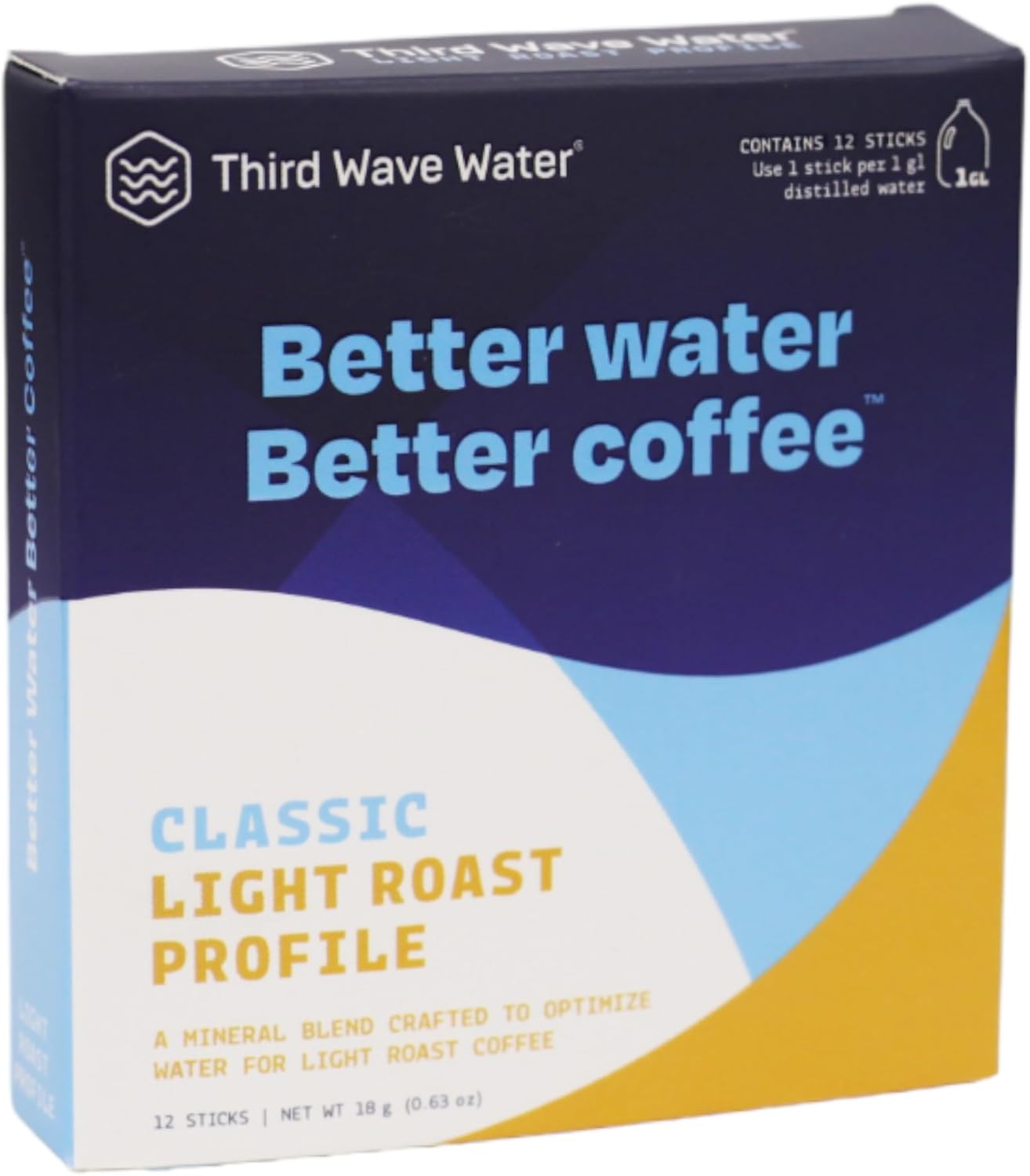
Third Wave Water · Classic Light Roast Profile (12-pack)
Third Wave Water solves the brewing water problem with a pre-formulated mineral mix.
Bodum · Pavina Double-Wall Glasses (Set of 6, 12oz)
The cafe glass for serving iced lattes, iced Americanos, and cold brew at home.
$40.99
View on Amazon →Hario · Cupping Spoon (Kasuya Model)
The right shape matters.


Pulled may earn a commission on purchases. Cookie applies to all Amazon items in your next 24 hours, not just this product.
See all Pulled Picks →Keep going with Pulled