October 23, 2025
Coffee Tasting Notes Explained
Make the coffee, then pull the cafe. Download Pulled.


Coffee bags say things like "notes of blueberry, jasmine, and dark chocolate." This language seems either impressive or absurd depending on your relationship with specialty coffee. The notes are real, they are not invented for marketing, and understanding how they develop helps you find them yourself.
Where flavor notes come from
Coffee's flavor complexity comes from its origin, its processing, its roast, and its brewing. The coffee plant absorbs characteristics from its environment: the altitude, soil composition, rainfall, and temperature of its growing region all affect the flavor compounds in the beans. Certain origins reliably produce certain flavor profiles: Ethiopian Yirgacheffe coffees often have jasmine and citrus notes, Colombian coffees often have caramel and red fruit, Guatemalan coffees often have chocolate and spice.
The role of processing
After the coffee cherry is harvested, the fruit is removed from the seed through different methods. Washed (wet) processing produces cleaner, more acidic cups. Natural (dry) processing, where the fruit dries around the seed, produces sweeter, fruitier cups with more fermentation character. Honey processing is a middle path. The processing method significantly affects what tasting notes are present.
Make the coffee, then pull the cafe. Download Pulled.
The Specialty Coffee Association Flavor Wheel
The SCA flavor wheel is a reference tool that maps the full range of coffee flavor descriptors. It starts with broad categories in the center (fruity, floral, sweet, nutty, spicy) and becomes more specific toward the outside (jasmine, rose, black tea; lime, lemon, orange). Using it as a reference while tasting helps build vocabulary.
How to taste for notes yourself
The primary tool is retronasal olfaction: the aroma that reaches your nose while the coffee is in your mouth and as you swallow. Most of what we call taste is actually smell. Slow down, breathe through your nose with coffee in your mouth, and notice what aromas come through. Start by trying to identify broad categories (fruit, chocolate, floral, nutty) before attempting specific notes.
Cupping
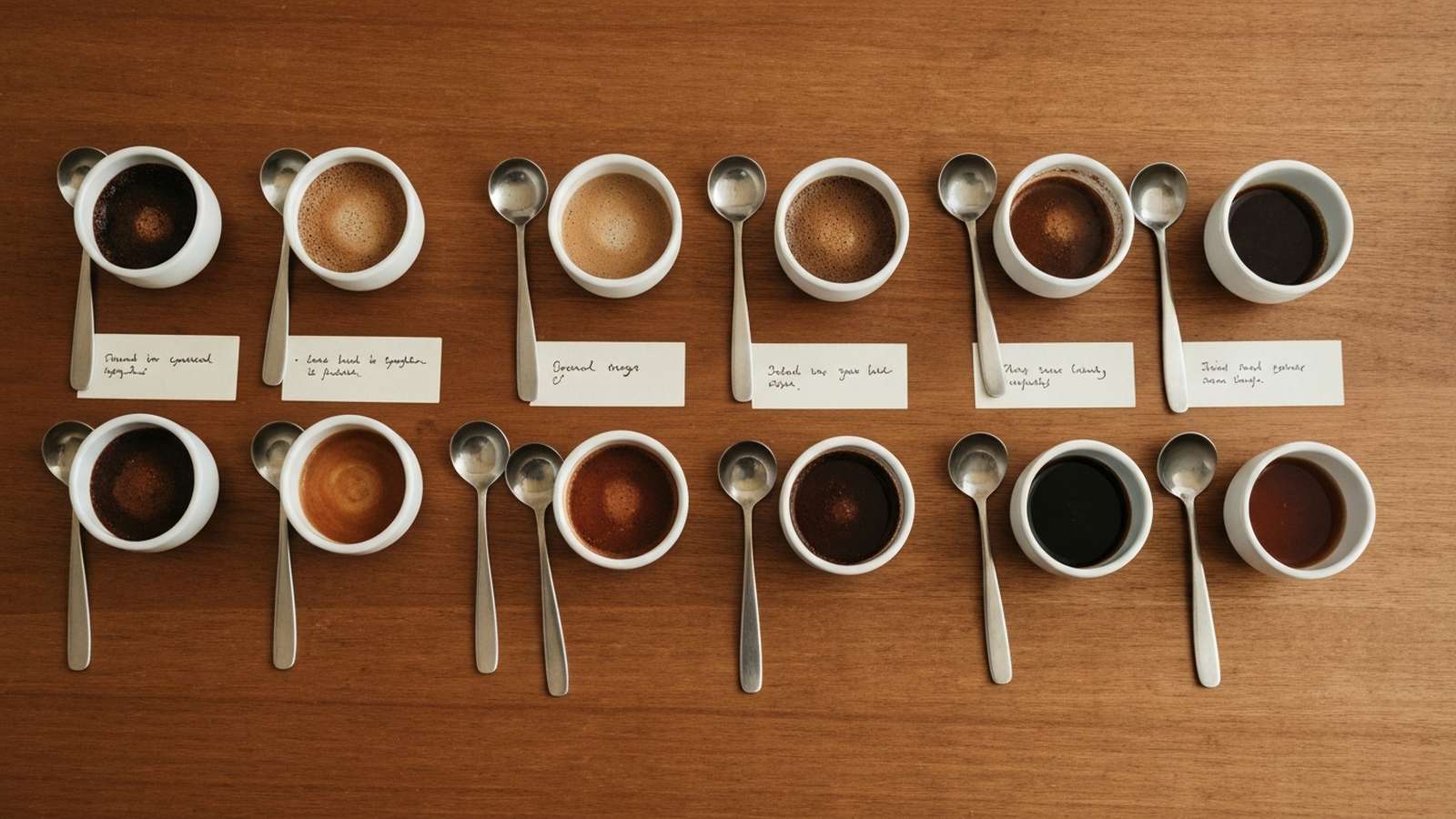
Cupping is the professional tasting method for coffee: coarse-ground coffee steeped in hot water, the crust broken after four minutes, and the grounds allowed to settle before tasting with a spoon. Attending a cupping event at a local roaster is the fastest way to develop your palate.
Start earning from your coffee habit.
Pulled Coffee pays you real money via PayPal for checking in at cafes and coffee shops.
Download Pulled CoffeeRelated reading: single origin vs blend, light roast vs dark roast, what is specialty coffee.
Understanding tasting notes makes every cafe visit richer. Pulled Coffee pays you for the exploration.
Make the coffee, then pull the cafe. Download Pulled.
Our Picks
What we'd buy on Amazon for this
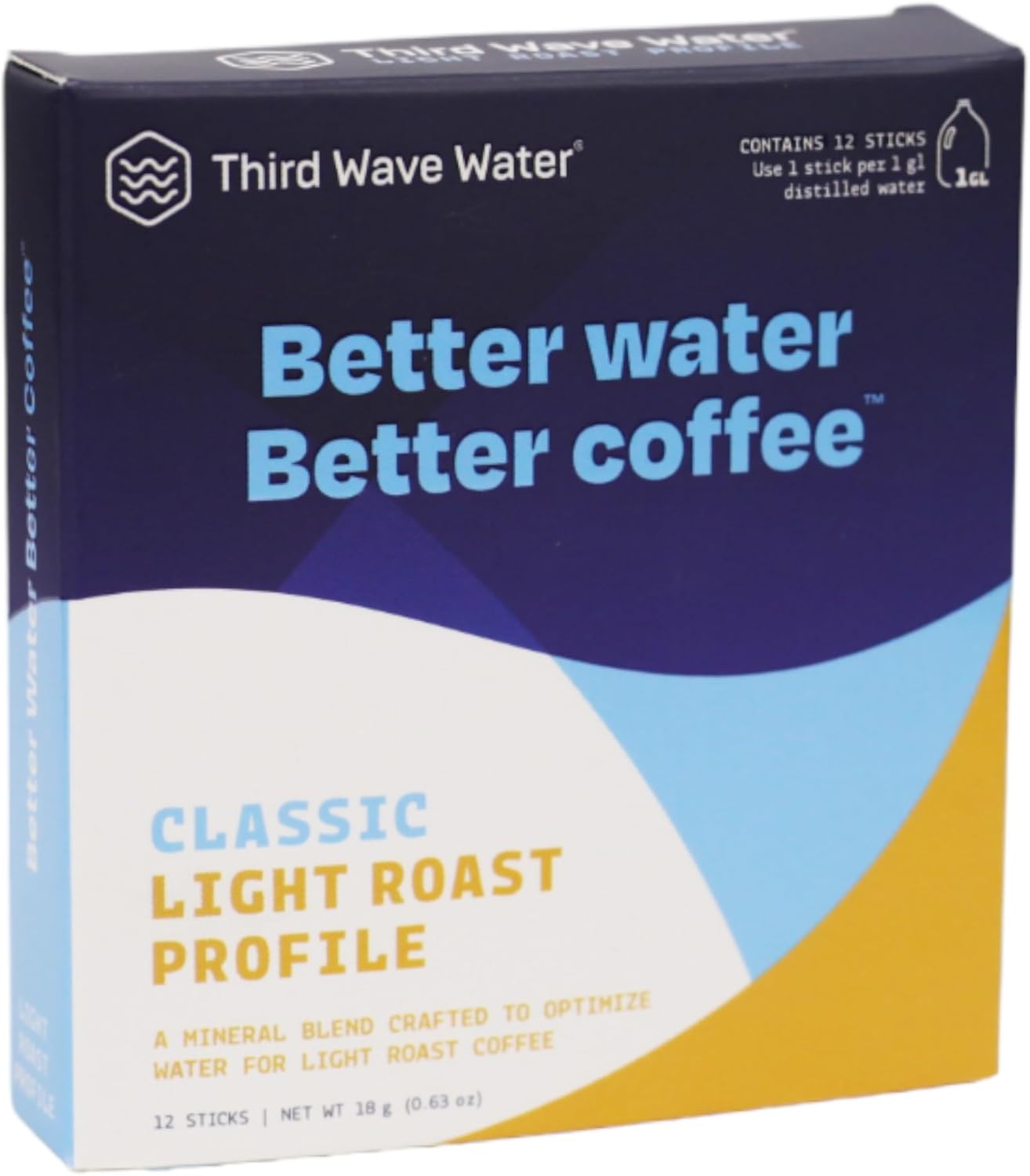
Third Wave Water · Classic Light Roast Profile (12-pack)
Third Wave Water solves the brewing water problem with a pre-formulated mineral mix.
Bodum · Pavina Double-Wall Glasses (Set of 6, 12oz)
The cafe glass for serving iced lattes, iced Americanos, and cold brew at home.
$40.99
View on Amazon →Hario · Cupping Spoon (Kasuya Model)
The right shape matters.


Pulled may earn a commission on purchases. Cookie applies to all Amazon items in your next 24 hours, not just this product.
See all Pulled Picks →Keep going with Pulled