May 19, 2026
How to Lower Cortisol Naturally: What the Evidence Shows
Cortisol is not a problem hormone. It is a timing hormone. It rises in the hour after you wake, peaks roughly 30 to 45 minutes later, then falls across the day until it bottoms out near midnight. When people say they want to lower cortisol, what they usually want is that curve restored: a clear morning rise and a low, quiet night.
The honest version, stated first: sleep, light exposure, physical activity, and your total stress load do most of the work. Tea, supplements, and adaptogens are real but small. Anyone selling a cortisol cure has the ratio backwards. This post walks through each input in order of how much it matters, with the research attached.
What cortisol actually does
Cortisol is a glucocorticoid produced by the adrenal glands, two small organs that sit on top of the kidneys. It does useful work. It releases stored glucose into the blood, nudges blood pressure up, tempers inflammation, and sharpens alertness. The morning rise is the reason you can get out of bed and think clearly. A body with too little cortisol is in real trouble: that is Addison's disease, and it is dangerous.
Chronically high cortisol is also a clinical condition, called Cushing's syndrome, and it has distinct physical signs. Most people reading about cortisol have neither. What they have is a flattened or shifted curve: a weak morning rise, an evening that stays switched on, sleep that does not come. That pattern is worth taking seriously, but it is a rhythm problem, not a poisoning. The aim is not to push cortisol as low as possible. A floor is not the goal. A clean daily shape is.
This distinction matters because most cortisol-lowering advice treats the hormone as a toxin to be flushed. It is not. You want it high in the morning when it does its job and low at night when it should be quiet. Every recommendation below is really about the timing of that curve.
The HPA axis, in plain terms
Cortisol is the output of a three-part chain called the hypothalamic-pituitary-adrenal axis, or HPA axis. The hypothalamus, deep in the brain, releases a signal. The pituitary gland responds by sending out adrenocorticotropic hormone (ACTH). ACTH travels to the adrenal glands, which release cortisol. Cortisol then signals back to the brain and tells the hypothalamus to ease off. That last step is a negative feedback loop, and it is the part that keeps a healthy system stable.
Two features of this system explain most of what follows. First, the axis is on a clock. It is wired to the body's circadian timing, which is why cortisol has a predictable daily shape rather than reacting only to events. The sharp climb in the first 30 to 45 minutes after waking has its own name, the cortisol awakening response, and Pruessner and colleagues (1997, Life Sciences) showed it is consistent enough within a person to serve as a research marker.
Second, the axis responds to load. Acute stress drives a quick cortisol spike that is supposed to resolve. The trouble starts when stress never lets up, because the feedback loop grows less sensitive and the curve loses its shape. So there are two ways to get a better cortisol pattern: support the clock, and reduce the load. The rest of this post is those two ideas applied.
Sleep is the largest lever
If you change one thing, change sleep. The link runs in both directions, which is what makes it powerful. Poor sleep raises next-day cortisol, and high evening cortisol makes sleep harder to reach.
The most cited evidence here is Leproult and colleagues (1997, Sleep). In that study, restricting sleep raised cortisol levels the following evening, the window when the hormone should be at its lowest. A single short night was enough to register. The effect was most visible in the late afternoon and evening, meaning sleep loss does not just blunt the morning rise. It props up the part of the curve that should be falling.
Practical version. Hold a consistent sleep and wake time, including weekends, because the HPA axis is anchored to a clock and the clock prefers regularity. Aim for seven to nine hours of opportunity, not seven to nine hours of hope: be in bed long enough to actually get there. Keep the last hour before bed dim and unhurried. If your mind races at night, that is often the evening cortisol and the stress load talking, which is why the later sections matter too.
One caution. Do not check this with a home cortisol test on day one. Sleep changes take a week or two to settle into the curve. Judge them by how the mornings feel and how fast you fall asleep, not by a single saliva sample.
Morning light and the cortisol rhythm
Light is the main signal that sets the body clock, and because cortisol is tied to that clock, light timing shapes the cortisol curve. Scheer and Buijs (1999, Journal of Clinical Endocrinology and Metabolism) found that bright light delivered shortly after waking increased the morning cortisol response compared with dim conditions. A strong morning rise is the good kind of cortisol. It is the signal that the day has started.
The takeaway is not to avoid cortisol. It is to put the rise where it belongs. Get outdoor light into your eyes within an hour or so of waking. Outdoor light, even under cloud, is far brighter than indoor lighting, and the gap is larger than it looks because your eyes adjust and hide it. 10 to 20 minutes is a reasonable target. A walk does this while also handling the movement section below.
The other half is the evening. Bright light late at night pushes the clock in the wrong direction and can keep the system alert when it should be winding down. You do not need to sit in the dark. Dim the main lights in the last hour, drop the screen brightness, and treat the evening as the low end of the curve. Morning bright, evening dim. That contrast is the signal, and a weak contrast is a weak signal.
Movement: dose matters
Exercise has an unusual relationship with cortisol. A hard session raises it. That is not a flaw. Acute exercise is a stressor by design, and the cortisol rise is part of how the body meets it. The question is dose.
Hill and colleagues (2008, Journal of Endocrinological Investigation) described an intensity threshold: exercise above roughly 60 percent of maximal capacity reliably raised circulating cortisol, while lower-intensity work tended not to, and very light activity could even nudge it down. So intensity, not movement itself, is what spikes the hormone in the moment.
This does not mean hard training is bad for your cortisol curve. Across weeks, regular physical activity is associated with better stress regulation and better sleep, and better sleep feeds straight back into the curve. The acute spike from a tough workout resolves within hours in a recovered body. The practical guidance is about placement and recovery, not avoidance.
What that looks like. Use easy movement freely: walking, mobility work, an unhurried bike ride. A morning walk is close to ideal because it stacks light, movement, and routine into one habit. Keep genuinely hard sessions away from the last few hours before bed, since the cortisol and adrenaline from them can delay sleep. And watch total load. If you are training hard, sleeping badly, and under pressure at work all at once, the cortisol curve will show it. Recovery is not the reward for training. It is part of the dose.
Lowering the stress load itself
The clock sections above shape where cortisol sits. This one is about how much load the system carries. Psychological stress is a real input to the HPA axis, and reducing it has measurable effects.
Pascoe and colleagues (2017, Journal of Psychiatric Research) ran a systematic review and meta-analysis of mindfulness-based practice and found it was associated with reduced cortisol among other stress markers. The effect sizes were modest, and the authors were careful about study quality, so the honest reading is that meditation helps a measurable amount, not that it transforms the curve. Modest and real is still worth 10 quiet minutes.
Time outdoors shows a similar pattern. Hunter and colleagues (2019, Frontiers in Psychology) had people take regular nature experiences and measured salivary cortisol. Spending about 20 to 30 minutes in a natural setting produced the largest drop in cortisol per unit of time. Longer helped, but with diminishing returns. A short, frequent habit beat the occasional long outing.
Social contact belongs here too. Kirschbaum and colleagues (1995, Psychosomatic Medicine) found that social support around a stressful task changed the cortisol response, though the effect differed by group, so the finding is suggestive rather than a simple rule. The direction still fits the wider picture: connection buffers load.
None of this requires a program. The pattern across all three studies is the same. Short, regular, low-effort inputs move cortisol more reliably than rare big gestures. A few quiet minutes, a daily walk somewhere green, a real conversation. The HPA axis responds to what you do most days.
Where tea and adaptogens fit
Pulled is for anyone who buys a barista-made drink, so it is worth being precise about where the cup sits in this picture. It is a supporting input, not a lever.
Start with caffeine, because it cuts the other way. Lovallo and colleagues (2005, Psychosomatic Medicine) found that caffeine raised cortisol across the waking day, and that the effect persisted even in habitual coffee drinkers, though it was somewhat smaller in that group. This is not a reason to quit coffee. It is a reason to time it. Keep caffeine to the morning and early afternoon, when cortisol is naturally high anyway, and stop earlier than you think you need to. Late caffeine works against both the evening curve and sleep, and sleep is the input that matters most.
Tea offers something coffee does not: L-theanine, an amino acid found in green and black tea. Kimura and colleagues (2007, Biological Psychology) found that L-theanine reduced physiological and psychological stress responses, including a smaller cortisol-linked reaction, in a small controlled study. Green tea and matcha pair L-theanine with a lower caffeine dose than coffee, which is why many people find them calmer to drink in the afternoon. A matcha or a cup of sencha is a reasonable swap for a second or third coffee if late caffeine is disrupting your evening.
Adaptogens are the category with the most marketing and the least certainty. Ashwagandha has the strongest evidence of the group. Chandrasekhar and colleagues (2012, Indian Journal of Psychological Medicine) and Lopresti and colleagues (2019, Medicine) both ran randomized, placebo-controlled trials and reported lower cortisol in the ashwagandha groups. Those results are genuine, but the trials were small, the extracts and doses varied, and ashwagandha can interact with thyroid medication and is not advised in pregnancy. If you want to try it, treat it as a small experiment, talk to a clinician first, and do not expect it to outrun a poor sleep schedule.
The summary for the cup: caffeine timing matters more than any supplement, tea is a pleasant and mildly helpful swap, and adaptogens are an optional extra with modest support. Order of operations, not magic.
What the evidence does not support
A few popular ideas deserve a direct answer. The term adrenal fatigue describes a claim that ongoing stress exhausts the adrenal glands until they underproduce cortisol. A systematic review by Cadegiani and Kater (2016, BMC Endocrine Disorders) found no evidence for it as a medical condition. The adrenal glands do not run dry. What changes under chronic stress is the regulation and timing of the axis, not the gland's capacity.
The adrenal cocktail, typically orange juice, salt, and cream of tartar, has no trial evidence behind it for cortisol. It is a drink. A glass of juice will not reshape an HPA axis. Cortisol detoxes and cleanses have the same flaw the word detox usually carries: nothing is being removed, and cortisol is not a contaminant you can wash out. The hormone is meant to be in your blood. The work is in its timing.
And be skeptical of any single product, powder, or routine framed as the answer. Cortisol regulation is the sum of sleep, light, movement, and load. A supplement layered on top of four bad inputs does very little. The same supplement layered on top of four good ones is a small bonus you may not even notice.
A realistic plan
Put together, the evidence points to a short list. None of it is exotic.
- Anchor your sleep. Same wake time daily, enough hours in bed, a dim and slow last hour. This is the largest lever.
- Get outdoor light within an hour of waking, for 10 to 20 minutes. A walk covers light and movement at once.
- Keep the evening dim. Lower the lights and screens in the final hour so the curve can fall.
- Move daily, mostly easy. Keep hard sessions out of the last few hours before bed, and respect recovery.
- Add one small stress-load habit: 10 quiet minutes, time somewhere green, or a real conversation. Daily beats occasional.
- Time caffeine to the morning and early afternoon. Consider tea or matcha later in the day instead.
A note on testing. Saliva cortisol tests exist, and a clinician may order one if there is a medical reason. For everyday rhythm questions, a single home test is hard to read, because cortisol changes hour to hour and day to day. Judge progress by the things you can feel: how you wake, how the afternoon goes, how fast sleep arrives. If those are genuinely off for weeks, or you have symptoms that worry you, that is a conversation with a doctor, not a supplement order. Research suggests these habits help most people shift the curve in the right direction. They are not a treatment for a diagnosed condition, and they were never meant to be.
Our Picks
What we'd buy on Amazon for this
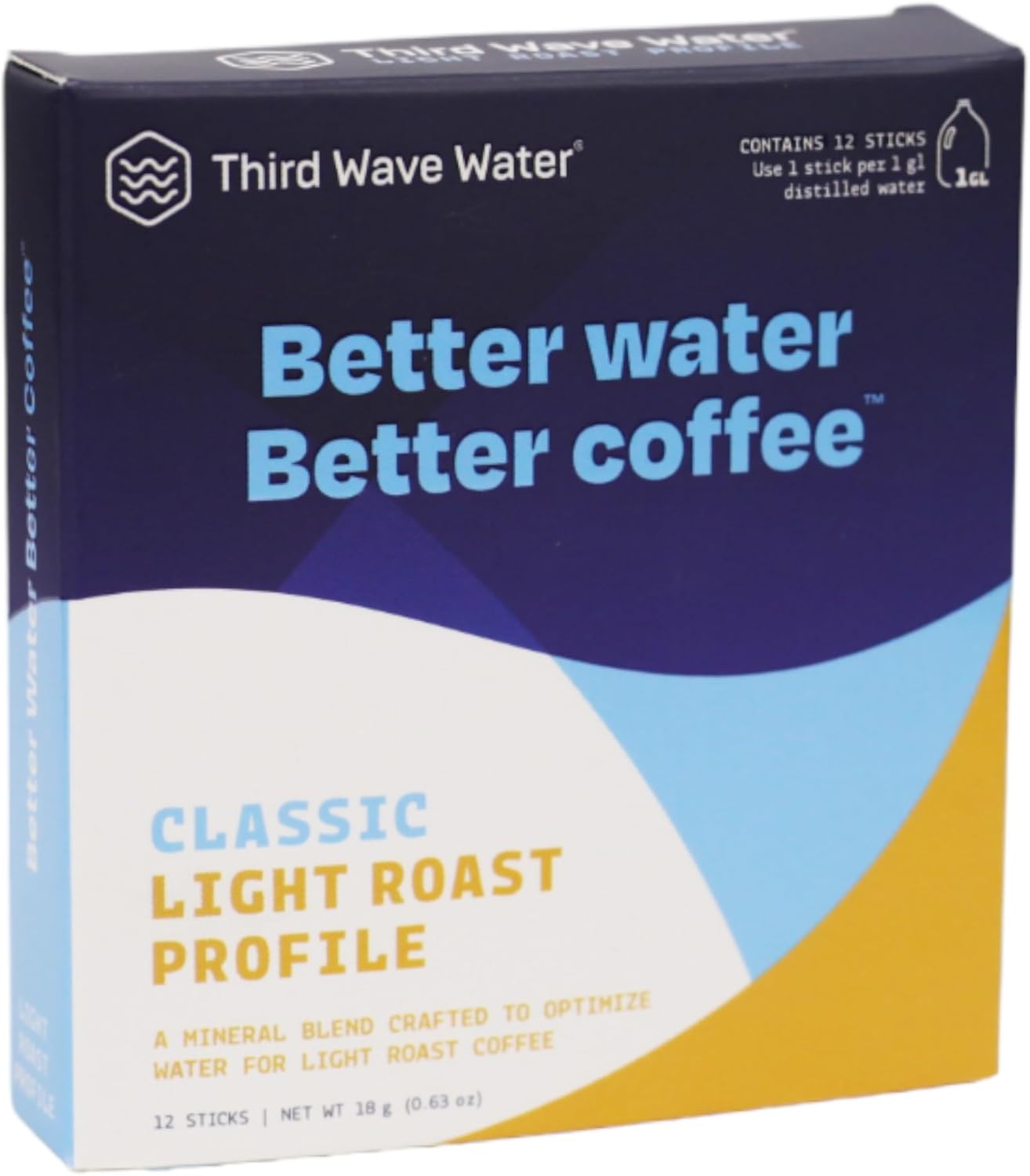
Third Wave Water · Classic Light Roast Profile (12-pack)
Third Wave Water solves the brewing water problem with a pre-formulated mineral mix.
Bodum · Pavina Double-Wall Glasses (Set of 6, 12oz)
The cafe glass for serving iced lattes, iced Americanos, and cold brew at home.
$40.99
View on Amazon →Hario · Cupping Spoon (Kasuya Model)
The right shape matters.


Pulled may earn a commission on purchases. Cookie applies to all Amazon items in your next 24 hours, not just this product.
See all Pulled Picks →Keep going with Pulled