February 17, 2026
Pour Over, Espresso, Cold Brew: How Your Coffee Is Actually Made
Get paid for the gear you already use to brew.


Coffee is, at its most reductive, hot water and ground coffee. The variables between those two inputs and a finished cup, time, temperature, pressure, grind size, ratio, filter material, determine almost everything about what the drink tastes like. Different brewing methods manipulate those variables in different ways, which is why a pour over and an espresso made from the same beans taste nothing like each other.
Pour over
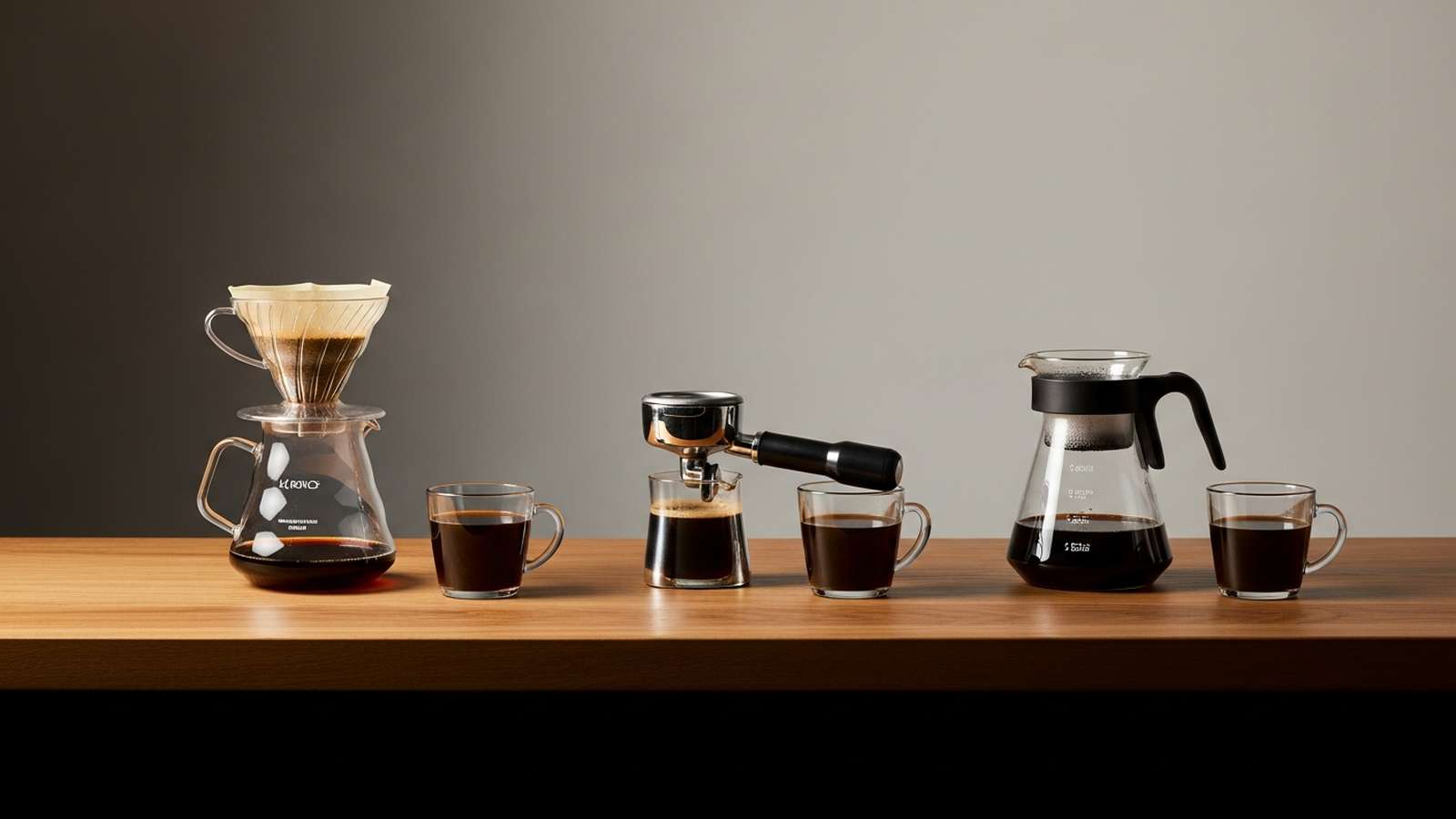
Pour over brewing is gravity-driven. Hot water, poured manually over ground coffee in a paper or metal filter, extracts flavor as it passes through the grounds and drips into a vessel below. The process takes three to four minutes for a typical single cup.
The paper filter, used in most pour over methods, removes oils and fine particles from the brew. The result is a clean, clear cup with distinct acidity and a flavor profile that reflects the coffee's origin characteristics. A well-brewed Ethiopian pour over will show the fruit and floral notes that define that region's coffee in ways that other methods can obscure.
The variables a barista controls: water temperature (ideally 195 to 205 degrees Fahrenheit), grind size (medium to medium fine for most pour overs), pour rate and pattern, and the brew ratio, typically 1 gram of coffee per 15 to 17 grams of water. Small changes to any of these produce noticeably different results.
Espresso
Espresso is pressure-driven. Approximately 9 bars of pressure force hot water through a compacted puck of finely ground coffee in 25 to 30 seconds, producing a concentrated shot with a layer of emulsified oils and CO2 on top, the crema.
The pressure changes what gets extracted. Espresso pulls different compounds from the coffee than filter brewing does, which is why espresso made from the same beans as a pour over tastes different and not simply more concentrated. Some flavors are enhanced by pressure extraction. Others are suppressed.
Espresso is the foundation of most cafe drinks. A latte is espresso and steamed milk. A cappuccino is espresso, steamed milk, and milk foam. The quality of the espresso determines the quality of everything built on top of it.
Pulled pays cash for cafe visits while you weigh the gear.
Cold brew
Cold brew is time-driven rather than temperature-driven. Coarsely ground coffee steeps in cold or room temperature water for 12 to 24 hours, then the grounds are filtered out. No heat is involved at any point.
The absence of heat changes the chemistry of extraction. Cold brew is significantly lower in acidity than hot brewed coffee because the compounds that create acidity, which require heat to extract, are largely absent. The result is a smooth, sweet, full bodied concentrate that many people who find hot coffee acidic can drink without discomfort.
14 day free trial. Real PayPal cash on every coffee run.
Cold brew is not the same as iced coffee, which is hot brewed coffee poured over ice. Iced coffee is more acidic and more volatile, it changes flavor as the ice melts. Cold brew is stable and consistent.
French press
French press is immersion brewing. Coarsely ground coffee steeps in hot water for four minutes, then a metal mesh filter is pressed down through the brew to separate grounds from liquid. Unlike paper-filtered methods, the metal filter allows oils and fine particles to pass through into the cup.
The result is a fuller-bodied, more textured cup with less clarity than a pour over but more richness. French press coffee tends to taste heavier and earthier. Some people love this. Others prefer the cleaner cup that paper filtration produces.
AeroPress
The AeroPress is a hybrid that combines immersion and pressure. Coffee and water steep briefly, then a plunger forces the brew through a paper or metal filter in a few seconds. The method is fast, forgiving, and capable of producing a wide range of results depending on how it is configured.
Specialty coffee baristas have developed hundreds of AeroPress recipes, each producing a different cup from the same device. It is the most versatile brewing method available, which is part of why it has developed an almost cultish following among coffee travelers who want good coffee without equipment they cannot pack.
Why it matters
Understanding how brewing methods work changes how you experience coffee. When a barista recommends a specific drink made with a specific method from a specific coffee, they are making a reasoned argument about which extraction technique best highlights the characteristics of that bean. The recommendation is worth following, not as deference to authority but as access to knowledge built through experience.
Every one of these drinks counts as a check-in on Pulled. The app does not care how you take your coffee. Just that you love it.
Get Pulled.
Earn up to $10,000 exploring coffee shops. Real cash. Real shops. Real rewards.
Download PulledGET PULLED
Your coffee pays you back.
Download Pulled. Check in at any coffee shop. Earn real PayPal cash.
Download PulledRelated reading: espresso guide, cold brew, pour over guide.
All three methods count as qualifying check-ins on Pulled Coffee, as long as someone behind a counter made the drink.
Earn cash on every coffee run. Download Pulled.
Our Picks
What we'd buy on Amazon for this
Hario · Mizudashi Cold Brew Pot, 1L
The right tool for ready-to-drink cold brew rather than concentrate.
$20.09
View on Amazon →OXO · Good Grips Cold Brew Coffee Maker
The rainmaker lid distributes water evenly across the bed, which the Toddy and Mizudashi do not.
$59.95
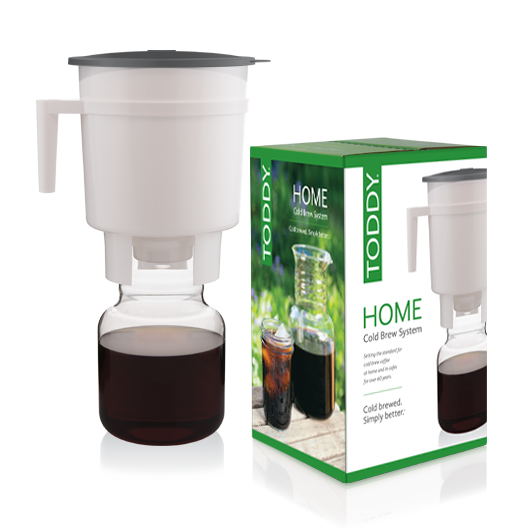
View on Amazon →Toddy · Cold Brew Coffee System
Todd Simpson designed the Toddy in 1964 after a trip to Peru, where he watched workers brew coffee cold.


Pulled may earn a commission on purchases. Cookie applies to all Amazon items in your next 24 hours, not just this product.
See all Pulled Picks →Keep going with Pulled