May 13, 2026
Robusta vs Arabica: Why It Actually Matters for Your Cup
Some links in this guide are affiliate links. If you buy through them, Pulled may earn a commission at no extra cost to you. Our recommendations are based on editorial judgment and coffee culture knowledge, not commission rates.
Two species of coffee plant produce nearly all of the coffee sold globally, and the difference between them shapes every cup the drinker has ever encountered whether they realized it or not. Coffea arabica is the specialty default; it accounts for 60 percent of world production and almost 100 percent of third wave bags. Coffea canephora, commonly called Robusta, is the commodity workhorse and a key ingredient in traditional Italian espresso; it accounts for the remaining 40 percent of production and dominates instant coffee, freeze-dried products, and most chain-restaurant blends. The two species are botanically distinct plants with different chemistry, different growing requirements, and measurably different cup profiles. This post explains the differences, the Italian espresso tradition that depends on Robusta, and when each species is the right choice. Internal links to Specialty Coffee, Plainly Explained and Coffee Origins: Single Origin vs Blends.
The short version of the comparison. Arabica produces sweeter, more complex cups with brighter acidity and lower caffeine. Robusta produces heavier, more bitter cups with more body, more crema in espresso, and roughly twice the caffeine. Most drinkers prefer Arabica for filter coffee and a 30 to 40 percent Robusta blend for traditional Italian espresso. Pure Robusta is rare in specialty markets but persists in commodity coffee and a few premium "fine Robusta" lots from India and Indonesia.
The two species, botanically
Coffea arabica is the more delicate of the two plants. It grows between 1,200 and 2,200 meters above sea level in tropical highlands. The plant is self-pollinating, has 44 chromosomes, and produces cherries that contain two beans each (the standard) or a single peaberry (a single round bean, considered premium). Arabica is susceptible to coffee leaf rust, coffee berry disease, and the coffee borer beetle; the plant requires careful tending and significant pesticide or organic-management investment.
Coffea canephora (Robusta) is the hardier plant. It grows between sea level and 800 meters, tolerates warmer temperatures and lower altitudes, and resists most of the diseases and pests that afflict Arabica. The plant is cross-pollinating (requires multiple varieties for pollination), has 22 chromosomes, and produces smaller, rounder beans. Robusta yields roughly twice as much coffee per hectare as Arabica and costs 30 to 50 percent less to grow per pound.
The chemistry differs. Arabica contains 1.2 to 1.5 percent caffeine by dry weight. Robusta contains 2.2 to 2.7 percent caffeine by dry weight. Arabica has roughly 60 percent more lipids (the oils that produce mouthfeel and aroma) and almost twice as much sugar (the precursors to sweetness during roasting). Robusta has more chlorogenic acid (bitter), more potassium, and a denser cellular structure that holds up better in espresso brewing.
The cup difference
Side by side, an Arabica and a Robusta produce very different cups. An Ethiopian washed Arabica yields a bright, floral cup with jasmine, lemon, and honey notes. A Vietnamese Robusta yields a heavy, smoky cup with peanut butter and woody notes. Most drinkers can distinguish the two within the first three sips. Industry blind tastings find that 80 to 90 percent of trained cuppers correctly identify the species, and 60 to 70 percent of untrained drinkers can do the same when the difference is pointed out.
Arabica is the more complex cup. The lower caffeine and higher sugar content produce a sweeter base, the higher lipid content adds aroma, and the genetic variation across Arabica varietals (Geisha, Bourbon, SL28, Caturra, Typica) creates flavor differences that span jasmine to blackcurrant to chocolate. A drinker exploring origin character is almost certainly drinking Arabica; the variation worth tasting is in the Arabica side of the family.
Robusta is the heavier cup. The higher caffeine and chlorogenic acid content produce a bitter base, the lower lipid content limits aromatic complexity, and the smaller genetic variation across Robusta varietals produces a narrower cup range. Robusta tastes like Robusta, with regional variation in the peanut, wood, and tobacco notes but less of the dramatic origin variation that Arabica delivers. Pure Robusta is an acquired taste; most third wave drinkers find it heavy and unrefined.
Why the species split exists
Coffea arabica originated in the Ethiopian highlands and was first cultivated commercially in Yemen in the 15th century. The plant’s evolutionary history is unusually narrow; modern Arabica is descended from a small genetic founder population (two parent plants in particular: Coffea eugenioides and Coffea canephora interbreeding hundreds of thousands of years ago), which means commercial Arabica has limited genetic diversity. The bottleneck makes Arabica susceptible to disease and pest pressure that more genetically diverse species shrug off.
Coffea canephora (Robusta) originated in central and western Africa and was identified as a commercial crop in the late 19th century. The plant has much broader genetic diversity than Arabica, which is why Robusta tolerates a wider range of altitudes, temperatures, and soil conditions. The two species coexist in many growing regions, with Arabica occupying the higher elevations and Robusta filling the warmer lowlands.
The cup quality reputation differential reflects the breeding history. Arabica has been bred for centuries for cup quality at the expense of yield and disease resistance. Robusta has been bred more recently for yield and resilience at the expense of cup quality. The breeding direction is not biological destiny; "fine Robusta" research is showing that careful Robusta cultivation and processing can produce specialty grade cups, but the industry-wide breeding pressure on Robusta has been toward volume rather than quality.
The Italian espresso tradition
Italian tradition espresso depends on Robusta. The blend ratio varies by region (Naples and the south use more Robusta than Milan and the north), but most traditional Italian espresso blends run 30 to 40 percent Robusta with the balance Arabica. The Robusta contributes three things the Arabica cannot: heavier body, more persistent crema (the foam layer that defines espresso), and higher caffeine concentration.
Lavazza Super Crema is the canonical American-accessible Italian tradition blend. 60 percent Arabica from Brazil, India, and Vietnam; 40 percent Robusta from India, Indonesia, and Africa. The cup is heavy, chocolatey, with a thick crema that lasts through milk drinks. The blend has been in production since the 1970s with minor recipe adjustments and remains one of the highest-volume specialty-adjacent espresso bags sold globally.
Illy is the exception. The Trieste roaster uses 100 percent Arabica across its entire product line, including the flagship Classico espresso blend. Illy’s argument is that careful Arabica selection (the company sources from nine countries and blends to a specific cup profile) can deliver Italian tradition body without Robusta. The cup is lighter and brighter than Lavazza, closer to a third wave style than to a Neapolitan one. Drinkers comparing Lavazza and Illy can taste the Robusta presence in Lavazza by absence in Illy.
Death Wish Coffee takes the Robusta-as-caffeine-source approach to an extreme. The blend uses heavy Robusta content to produce coffee with 728 mg of caffeine per 12oz brew, roughly twice a regular Arabica drip. The cup is heavy, smoky, and limited in origin character. Useful for drinkers chasing caffeine concentration rather than nuance, and a real example of what high-Robusta coffee actually tastes like.
Why the third wave rejects Robusta
The third wave specialty movement, starting with Intelligentsia, Counter Culture, and Stumptown in the late 1990s, has been almost universally Arabica-only. The reasoning is straightforward: specialty coffee is about exposing origin character, and Robusta’s narrower flavor range and heavier body mask the origin signals that Arabica delivers. A third wave roaster trying to highlight an Ethiopian Yirgacheffe is not going to blend it with Robusta because the Robusta would dominate the jasmine and bergamot.
The rejection is not absolute. A small number of third wave roasters have begun working with "fine Robusta," carefully grown and processed lots from India and Indonesia that score in the 80s on the SCA cupping scale. These lots are a tiny fraction of global Robusta production but demonstrate that the species can produce specialty grade coffee when grown and processed with the same care as Arabica. Black & White Coffee Roasters in North Carolina and a handful of European roasters have run experimental fine Robusta bags in recent years.
The market for fine Robusta remains small because the cup profile is heavier than what third wave drinkers have been trained to expect. A great fine Robusta tastes of peanut, walnut, and dark chocolate; a great Arabica tastes of jasmine, blackcurrant, or stone fruit. The two are different products serving different palates rather than direct substitutes.
The economic argument for Robusta
Robusta dominates commodity coffee for economic reasons. The plant yields more coffee per hectare, costs less to grow, requires fewer pesticides, and tolerates climates where Arabica cannot survive. The C market price for Robusta runs roughly 60 to 80 percent of the Arabica C market price across typical years, which makes Robusta the workhorse of cheap blends, instant coffee, and most chain cafe wholesale supplies.
The economic argument has compounded as climate change reduces Arabica-suitable land. Coffee growing regions are shifting upward in altitude as lower elevations warm past Arabica’s tolerance. The Coffee Quality Institute estimates that 50 percent of current Arabica-suitable land may be unsuitable by 2050. Robusta tolerates the warming better, which means Robusta’s share of global production is likely to grow over the next 25 years regardless of consumer preference.
Vietnam is the largest Robusta producer, accounting for roughly 40 percent of global Robusta supply. Brazil is the second largest, producing both Arabica (specialty grades) and Robusta (commodity grades) at scale. India, Indonesia, and Uganda are the next tier of major Robusta producers. The geographic concentration of Robusta production means a single bad harvest in Vietnam can swing global commodity coffee prices by 10 to 20 percent in months.
The instant coffee question
Instant coffee is mostly Robusta. The freeze-drying and spray-drying processes that produce instant powder concentrate the soluble compounds in a way that exaggerates Robusta’s heaviness and bitterness. Nescafe, Maxwell House, Folgers Instant, and Mount Hagen are predominantly Robusta. Specialty instant coffee (Sudden Coffee, before its closure; Cometeer, in pod form; Swift Cup; Voila) uses Arabica and produces noticeably different cups: brighter, sweeter, more complex.
The cost difference shows up. A 100-cup jar of Nescafe Classic costs roughly $0.05 to $0.08 per cup. A 4-pack of Cometeer pods costs $2.50 per cup at retail. The 30x to 50x price gap reflects the species choice plus the processing and packaging. A drinker preferring instant should expect a Robusta-forward cup unless the label specifies otherwise.
Robusta cup flavor profile in depth
The cup notes that define Robusta are recognizable once a drinker knows what to look for. The dominant characteristics are heavy body, low acidity, persistent bitterness, and a flavor profile that runs through peanut, walnut, dark chocolate, tobacco, leather, and burnt rubber depending on the lot quality and the roast level. Lower-quality Robusta lots emphasize the burnt rubber and tobacco notes; higher-quality lots show the peanut and chocolate notes with less negative intrusion.
Indian Monsoon Malabar is the most distinctive Robusta cup. The beans are exposed to monsoon winds for 12 to 16 weeks during processing, which produces an unusually mellow, spice-forward cup unlike any other Robusta or Arabica. The flavor runs through cardamom, nutmeg, and tobacco with the bitterness softened by the monsooning. Indian Monsoon Malabar is the rare specialty-tier Robusta that some drinkers actively seek out.
Vietnamese Robusta is the volume workhorse but has produced some surprisingly clean specialty lots in the last decade. The high-altitude Lam Dong province lots, processed with the same washed or honey methods used for specialty Arabica, can reach 82 to 84 SCA cupping scores. The cup is heavier than equivalent Arabica but with cleaner peanut and chocolate notes and less of the negative intrusion that lower-tier Vietnamese Robusta carries.
Ugandan Robusta and Indonesian Robusta sit at the next tier of cup quality. Both produce serviceable commercial coffee but rarely reach the specialty grade. The lots are mostly destined for instant coffee, freeze-dried products, and budget espresso blends. A drinker tasting these origins is mostly experiencing what commodity Robusta tastes like.
Detecting Robusta in a blend
The bag label is the first source. A blend that lists "100 percent Arabica" is Robusta-free. A blend without the phrase, especially an Italian tradition espresso blend, is likely 20 to 40 percent Robusta. Specific Robusta blends usually advertise it: Lavazza Super Crema explicitly states "60 percent Arabica, 40 percent Robusta" on the bag.
The cup is the second source. Pure Arabica espresso has a thinner crema that breaks within 30 seconds. Robusta-blended espresso has a thicker, more persistent crema that holds through the drink. The mouthfeel is heavier with Robusta and the bitter compounds more pronounced. A drinker training their palate can develop reliable detection within a month of side by side tasting.
The caffeine response is the third source. A double shot of pure Arabica espresso delivers 65 to 75 mg of caffeine. A double shot of 30 percent Robusta blend delivers 85 to 100 mg. A drinker who feels noticeably more wired from one espresso than from another, with similar serving sizes, is likely tasting the Robusta presence indirectly through the caffeine load.
Other Coffea species worth mentioning
Arabica and Robusta dominate the commercial market but two other Coffea species exist in production at small scales. Coffea liberica is grown primarily in West Africa and the Philippines, producing larger beans with a distinctive smoky, woody flavor profile. Coffea excelsa (now reclassified as a variety of liberica) is grown in Southeast Asia and produces fruitier, lighter-bodied cups than liberica proper. Neither species reaches 1 percent of global production combined.
Liberica drinkers describe the cup as "chocolate, dark fruit, smoke, and tobacco" with a syrupy mouthfeel unlike either Arabica or Robusta. The species’s genetic distance from Arabica is roughly comparable to wheat versus barley; the plants share the Coffea family but produce different products. Filipino coffee culture (particularly in Batangas province) is built around liberica, and the species is the country’s most common commercial coffee.
The third wave specialty movement has begun importing liberica in small quantities. Black & White Coffee Roasters in North Carolina, Onyx Coffee Lab in Arkansas, and a handful of European roasters have shipped liberica lots since 2022. The bags are expensive ($28 to $40 for 12oz) and the cup is genuinely unusual. Worth trying once for drinkers exploring the broader Coffea family beyond the Arabica-Robusta binary.
Climate change and the species split
Climate change is shifting the species balance. Rising temperatures and unpredictable rainfall patterns are reducing Arabica-suitable growing regions worldwide. The World Coffee Research Institute estimates that 50 percent of current Arabica land may become unsuitable for the species by 2050 if current warming trends continue. Robusta tolerates warmer temperatures and grows at lower elevations, making it more resilient to the climate shifts that threaten Arabica.
The expected response is a gradual increase in Robusta’s share of global coffee production over the next 25 years. Robusta growers in Vietnam, Brazil, and Indonesia are expanding plantings to capture the price gap and the demand from buyers locked out of Arabica supply. Coffee research institutes are simultaneously breeding new Arabica varietals (Castillo, Centroamericano, Marsellesa) that resist disease and tolerate warmer temperatures, with mixed success.
For drinkers, the practical implication is that pure Arabica specialty coffee may become more expensive and rarer over the next decade. The premium for top-tier Arabica lots is likely to rise. The category for "fine Robusta" specialty coffee is likely to grow as roasters find quality Robusta to substitute for declining Arabica supply. Lavazza, Illy, and other Italian tradition roasters that already work with Robusta blends are positioned better for the shift than third wave roasters who depend on pure Arabica sourcing.
The decaf wrinkle
Decaffeinated coffee is usually Arabica. The decaffeination process is expensive, and decaf production targets the higher-quality Arabica bean because the cup quality post-decaffeination matters to the market more than the volume. Most decaf in third wave cafes uses Swiss Water or CO2 processed Arabica from Colombia, Mexico, or Brazil.
Decaf Robusta exists but is rare. The species’ lower flavor complexity makes the cup less interesting after decaffeination, and the lower price point of commodity Robusta does not justify the decaffeination cost. Some instant decaf coffees (Nescafe Decaf, Folgers Decaf) use Robusta because the freeze-drying processing benefits from the heavier body. Drinkers ordering decaf at a third wave cafe are nearly always drinking Arabica.
The crema test for Robusta detection
The most reliable visual test for Robusta content in an espresso shot is the crema. Pure Arabica espresso produces a thin, light-brown crema that breaks within 30 to 60 seconds. The crema reads as silky and uniform but does not persist through more than the first sip. Add 20 percent Robusta to the blend and the crema thickens noticeably, holding for 90 to 120 seconds and producing a more visible foam layer on top of the shot.
The chemistry behind the crema difference is the higher lipid and protein content of Robusta beans. The compounds form a more stable foam structure when whipped by pressurized water through the puck. Italian tradition espresso depends on this thicker crema for the visual identity that defines the drink; the crema is part of the experience as much as the flavor.
A drinker pulling Lavazza Super Crema at home and watching the shot can see the Robusta effect directly. The crema layer is thicker, darker, and more persistent than a pure Arabica blend pulled at the same parameters. The same pattern shows up in commercial Italian espresso bars across Naples, Rome, and Milan where the Robusta blends are standard.
The pricing math
Pricing reflects the species split. A 12oz bag of pure Arabica specialty coffee runs $18 to $28 retail. A 12oz bag of Italian tradition Robusta-blended espresso (Lavazza, Illy with Arabica only) runs $15 to $22 retail. A 2.2lb can of Lavazza Super Crema runs $28 to $40 (much lower per ounce than the 12oz format). Pure commodity Robusta (Nescafe instant, Folgers ground) runs $3 to $8 per pound.
The pricing gap reflects production cost (Arabica is 2 to 4 times more expensive to grow), supply chain (specialty Arabica passes through fewer hands), and the marketing layer. A drinker can buy real coffee at any of these tiers, but the cup quality varies dramatically. The specialty Arabica delivers origin character; the Italian-blend delivers tradition; the commodity Robusta delivers caffeine.
Where to taste pure Robusta
Pure Robusta is hard to find at specialty cafes in North America. The closest accessible experience is a traditional Italian cafe in Little Italy neighborhoods (Bensonhurst, North Beach, the South End) where the espresso is pulled from a heavy-Robusta blend. The cup tastes recognizably different from a third wave espresso: heavier crema, more bitter, more chocolate, less origin character. Drinkers in major cities can usually find one of these cafes within a 10-minute walk of a traditional Italian neighborhood.
For pure Robusta, the most accessible path is Vietnamese coffee. Vietnamese ca phe sua da uses a metal phin filter to drip a strong Robusta brew over sweetened condensed milk and ice. The drink is delicious in a different way than third wave specialty coffee: heavier, sweeter, more caffeinated, with the Robusta’s natural peanut and tobacco notes coming through cleanly. Vietnamese cafes in major US cities (Trung Nguyen locations, Phin in NYC, K Coffee in Houston) serve the traditional preparation.
The Pulled Coffee Map shows cafes by classification across 41,000 cities; Vietnamese coffee shops and traditional Italian espresso bars typically classify as "cafe" rather than "specialty" because the standard SCA cupping doesn’t score these traditions on their own terms.
Questions readers ask
Is Robusta unhealthy or bad for you? No. Robusta and Arabica are similar nutritionally. Robusta has slightly more antioxidants (chlorogenic acid) and more caffeine. Neither is unhealthy at typical consumption levels. The bitter taste sometimes reads as "bad coffee" but is a property of the species, not a health concern.
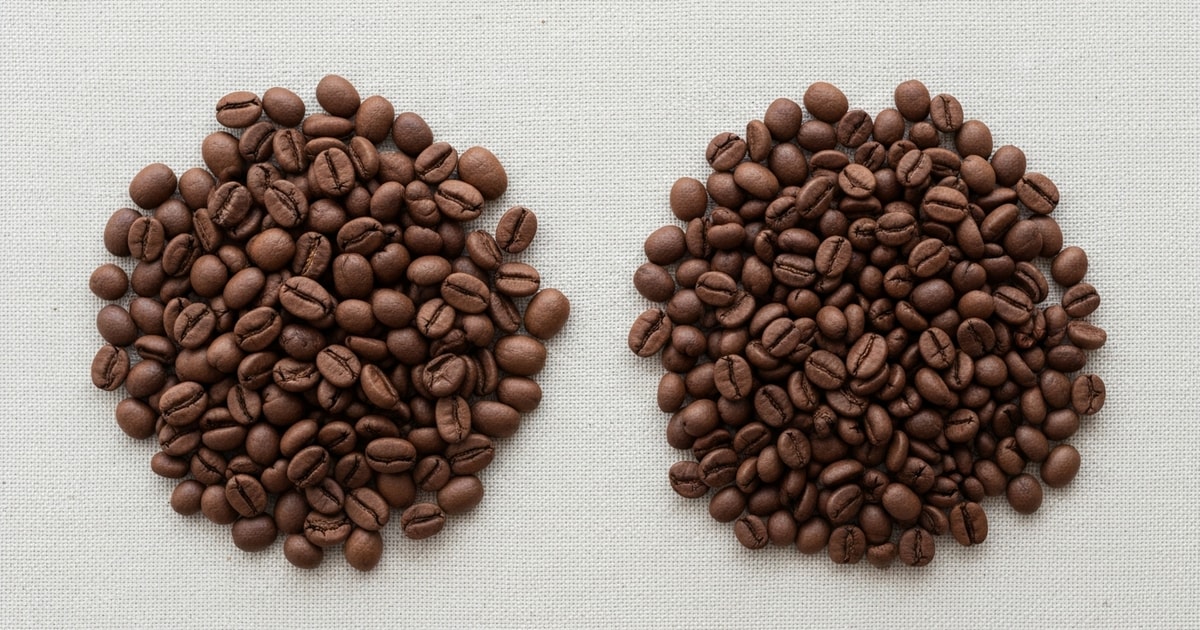
Can I tell Robusta from Arabica by looking at the beans? Sometimes. Robusta beans are slightly smaller and rounder than Arabica, with a straighter "cut" line down the center. Arabica beans are more oval with a slightly curved cut line. The difference is subtle in roasted beans because both species look similar after roasting. The bag label is the more reliable identifier.
Why does Italian espresso at home taste different from cafe espresso in Rome? Three reasons. First, the bean: Italian cafe espresso is often higher Robusta percentage (Naples runs 50-60 percent Robusta) than supermarket bags. Second, the roast: Italian cafe coffee is typically roasted darker than home consumer blends. Third, the machine: a commercial Faema or La Marzocco produces different shots than a home Breville or Lelit. The geographical specificity matters as much as the bean.
Should I avoid blends with Robusta? Depends on what you want from the cup. For pour over and drip, yes; the Robusta will mask origin character. For traditional espresso and milk drinks, no; the Robusta produces the body and crema that define the style. For commodity coffee where price is the variable, Robusta is fine. Match the bean to the brewing method and the drink.
Is fine Robusta actually good? Yes, when done well. The best fine Robusta lots from India and Indonesia score 82 to 84 on the SCA cupping scale, well into specialty grade. The cup is unmistakably Robusta (heavier, peanut and walnut notes) but at a quality level that makes it worth tasting. The category is small and the bags are expensive; expect to pay $24 to $32 for a 12oz bag.
Why is Italian espresso considered traditional when third wave is the modern style? Italian espresso predates third wave by 60 to 80 years. The category was formalized in the 1900s in Milan and refined through the mid-20th century. Third wave (1995 onwards) is a return to single origin Arabica, lighter roasts, and origin-forward cups, which the Italian tradition deliberately did not pursue. Both styles are legitimate; they are answering different questions about what coffee should taste like.
Will the Arabica-Robusta gap close? Possibly, slowly. Climate change favors Robusta production, fine Robusta research is improving the species’ cup quality, and consumer preference may shift as supply patterns change. But Arabica’s genetic diversity and complex cup remain hard to replicate in Robusta, and the next decade is more likely to see Arabica retain its specialty market position than to see Robusta displace it.
Practical takeaway
For most third wave drinkers, the answer is Arabica almost all of the time. Pure Arabica for pour over, drip, French press, AeroPress, and most espresso. Italian tradition Robusta blends (Lavazza Super Crema, traditional cafe espresso) for milk drinks where the heavier body and crema add to the cup. Pure Robusta (Vietnamese coffee, traditional Italian cafe in Naples) as an occasional excursion that shows what the other side of the species split tastes like.
The two species are not in competition; they serve different audiences and different brewing traditions. A drinker who only buys Arabica is missing the Italian espresso experience that depends on Robusta. A drinker who only buys Robusta blends is missing the origin variation that Arabica delivers across single origins. The complete home coffee program runs both, with the bag choice matched to the brewing method and the moment.
The broader lesson behind the species split is that coffee is a category that rewards knowing what you are drinking, and Arabica versus Robusta is the most basic piece of that knowledge. The Arabica-Robusta split is the first level of that knowledge; varietal differences within Arabica are the second; processing methods are the third; roast level is the fourth. A drinker who learns all four layers can predict what any bag will taste like before opening it. The bag label is the document and the species line is where the prediction of cup quality starts before any of the other fields come into play.
Pulled exists so the cafe pouring the right cup, whatever species it uses, is findable from any city. The pillar guides at Specialty Coffee, Plainly Explained and Coffee Origins: Single Origin vs Blends cover the broader category architecture; this post slots in as the species-level explanation underneath, and learning the difference between the two species is the first step in becoming a drinker who can read what a cafe is actually serving rather than guessing.
Our Picks
What we'd buy on Amazon for this
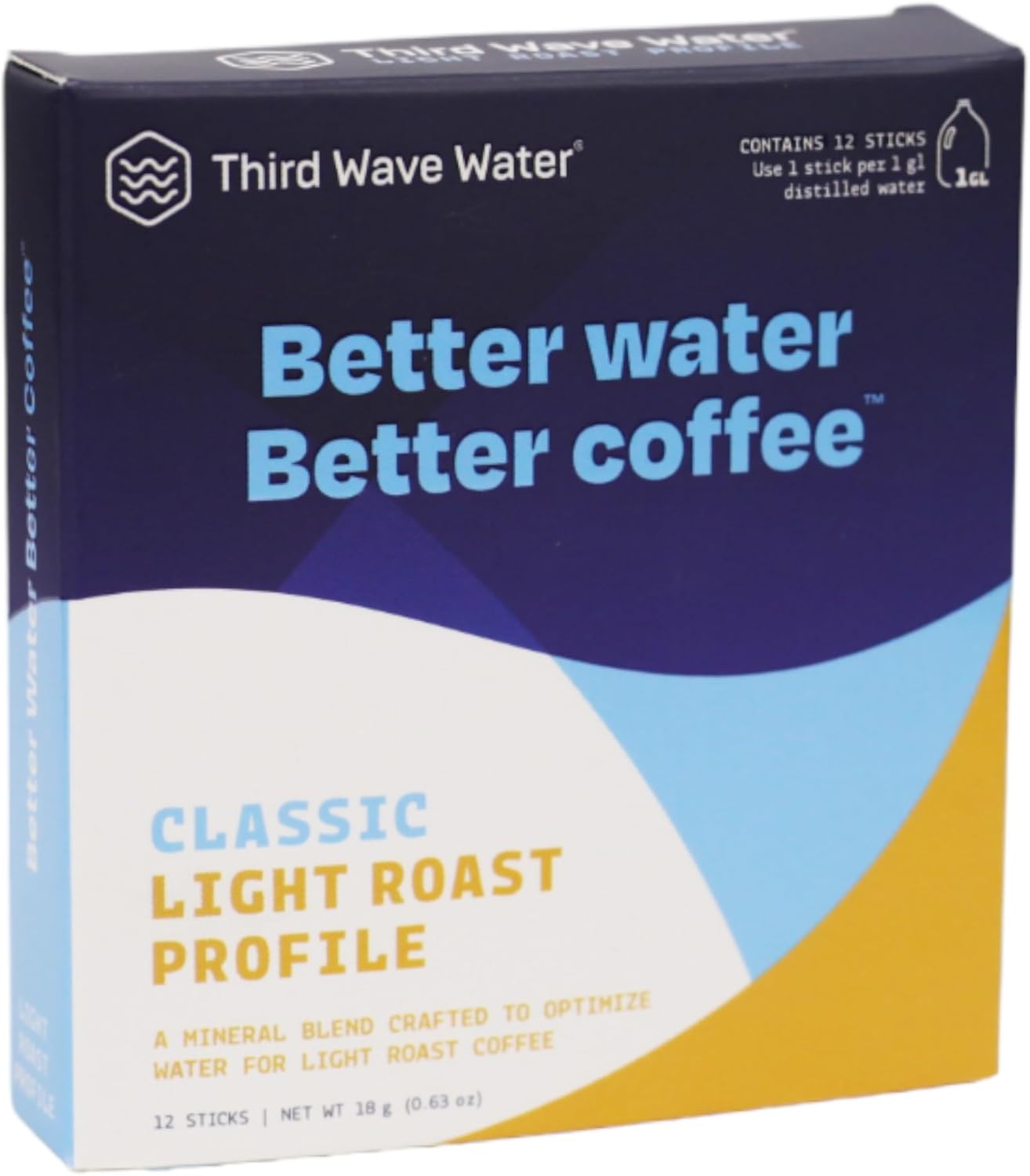
Third Wave Water · Classic Light Roast Profile (12-pack)
Third Wave Water solves the brewing water problem with a pre-formulated mineral mix.
Bodum · Pavina Double-Wall Glasses (Set of 6, 12oz)
The cafe glass for serving iced lattes, iced Americanos, and cold brew at home.
$40.99
View on Amazon →Hario · Cupping Spoon (Kasuya Model)
The right shape matters.


Pulled may earn a commission on purchases. Cookie applies to all Amazon items in your next 24 hours, not just this product.
See all Pulled Picks →Keep going with Pulled