November 24, 2025
How the World Drinks Coffee: A Global Guide
Make the coffee, then pull the cafe. Download Pulled.


Coffee originated in Ethiopia. From there it moved to Yemen, then to the Ottoman Empire, then to Europe, then to the Americas, then, eventually, everywhere. Every culture that adopted it adapted it. The result is a beverage with a single origin and a thousand expressions, each one reflecting the culture that developed it.
Ethiopia: the source
The coffee ceremony is one of the most formal social rituals in Ethiopian culture. Green beans are roasted over charcoal, ground by hand, brewed in a clay pot called a jebena, and served in three successive rounds: abol, tona, and baraka. The third round is considered a blessing. The ceremony takes an hour or more. It is not a quick transaction. It is an act of hospitality that requires and rewards presence.
Ethiopian coffee is also where you find some of the most distinct flavor characteristics in the world. The natural-processed coffees of Yirgacheffe and Sidama have fruit and floral notes that barely resemble what most Westerners think of when they imagine coffee.
Turkey: the original coffeehouse culture
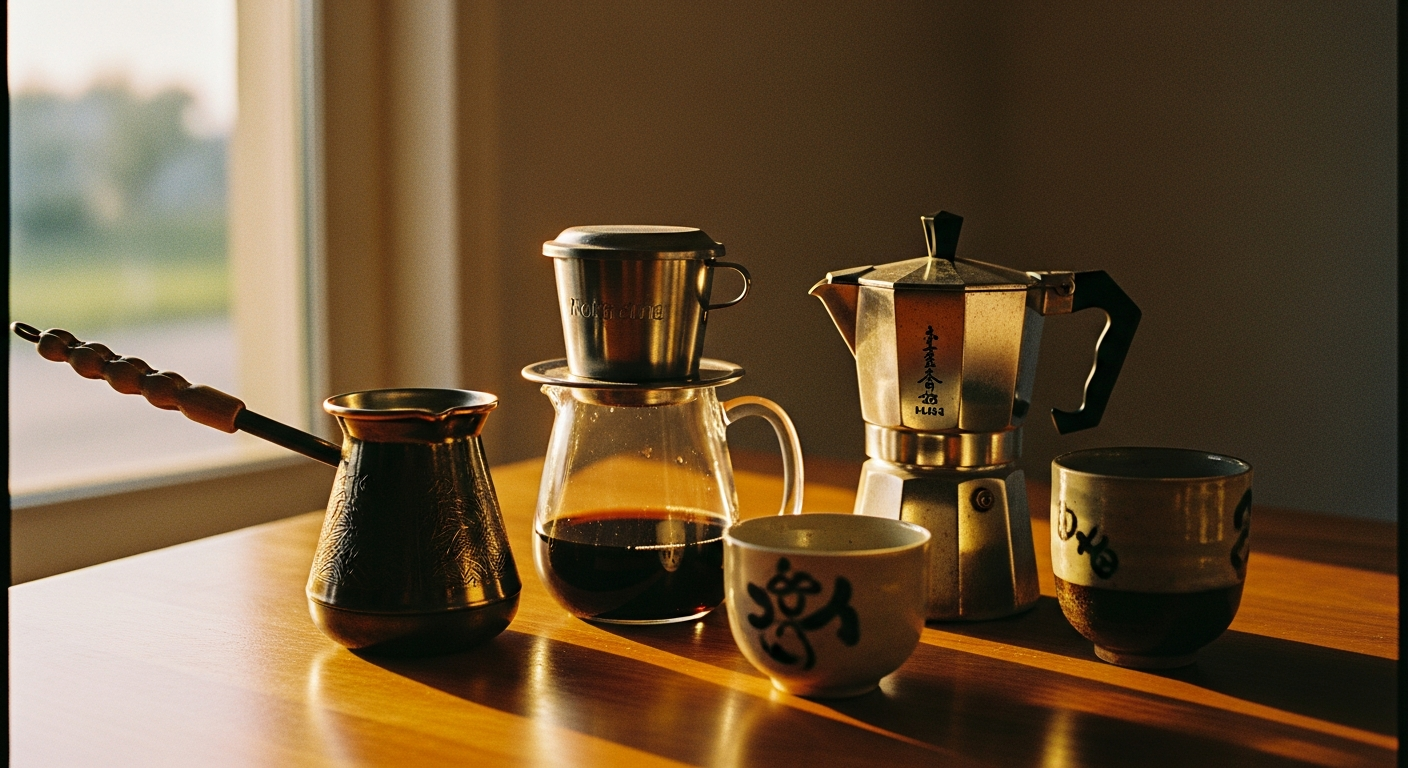
Turkish coffee is brewed in a small long-handled pot called a cezve. Very finely ground coffee and water, sometimes with sugar added before brewing, are brought to the edge of a boil and poured into small cups, grounds and all. You wait for the grounds to settle before drinking.
The Turkish coffeehouse, the kahvehane, predates the European cafe by about a century. Istanbul's coffeehouses in the 16th century were centers of political discussion, chess, and music. The tradition of reading the future in the grounds left at the bottom of the cup, tasseography, persists to this day.
Make the coffee, then pull the cafe. Download Pulled.
Italy: the espresso republic
Italian espresso culture operates on a set of rules that are understood more than stated. Espresso is drunk standing at the bar. You do not take it to go. You do not linger over it. You drink it in three sips, pay, and leave. The entire transaction takes two minutes.
Cappuccino is a morning drink. Ordering one after 11am marks you as a tourist immediately. The milky drinks are for breakfast because Italians believe milk in the afternoon interferes with digestion. This is not considered a personal preference. It is treated as scientific fact.
The espresso bar in Italy is a social institution as much as a food service establishment. The barman knows his regulars. The price is regulated in many regions. The ritual is daily and non-negotiable.
Vietnam: phin and patience
Vietnamese coffee is brewed with a small metal drip filter called a phin, placed directly over the cup. The coffee, typically a dark roast Robusta, drips slowly through the filter over five to ten minutes. It is often served over sweetened condensed milk and ice.
Ca phe trung, egg coffee, is a specialty of Hanoi. Egg yolks are whipped with condensed milk and sugar until they form a thick, custard-like foam, then placed on top of a shot of strong coffee. The combination of bitter espresso and sweet egg cream is a flavor combination that defies easy categorization.
Pulled pays PayPal cash for every cafe visit you log.
Japan: precision and the kissaten
Japan's kissaten culture, the traditional coffee shops that reached their peak in the mid-20th century, represents one of the most deliberate approaches to coffee anywhere in the world. A kissaten master might spend 40 years perfecting a single recipe. The space is quiet. The service is unhurried. The coffee is the entire point.
Japan also gave the world canned coffee, ubiquitous in vending machines across the country. The contrast between the precision of the kissaten and the convenience of the vending machine captures something essential about Japanese culture's relationship with craft and efficiency.
Colombia: tinto on every corner
Colombia produces some of the world's most prized coffee, almost none of which is consumed domestically in its finest form. What Colombians actually drink is tinto, a small, sweet, black coffee served everywhere from street vendors to office breakrooms. The specialty coffee that Western roasters pay premium prices for goes elsewhere. What stays is simple, inexpensive, and woven into daily life.
Scandinavia: the world's greatest consumers
Finland, Norway, and Sweden consistently rank among the top coffee-consuming countries per capita in the world. The Swedish concept of fika, a coffee break that is also a social pause, a moment to stop working and be human for a few minutes, has influenced workplace culture globally.
Scandinavian coffee culture also produced the light roast movement that defines much of specialty coffee today. The preference for lightly roasted, filter-brewed coffee that preserves the bean's origin characteristics began in Scandinavia and spread outward.
Australia: the flat white and the third place
Australia, specifically Melbourne, is where the flat white was developed, a drink that crossed the Pacific and became a standard offering at specialty cafes worldwide. Melbourne's cafe culture is among the most sophisticated in the world, with a density of excellent independent shops that rivals any city on earth.
The Australian approach to coffee service, knowledgeable without being precious, excellent without being performative, has influenced how specialty cafes operate in markets from London to Los Angeles.
Pulled is built for everyone who loves coffee, in every language, in every culture. Tea, matcha, chai, boba, hot chocolate. If a barista made it, it counts.
Get Pulled.
Earn up to $10,000 exploring coffee shops. Real cash. Real shops. Real rewards.
Download PulledGET PULLED
Your coffee pays you back.
Download Pulled. Check in at any coffee shop. Earn real PayPal cash.
Download PulledRelated reading: coffee tourism, coffee growing regions.
Every cafe in every city counts toward Pulled Coffee challenges.
Make the coffee, then pull the cafe. Download Pulled.
Our Picks
What we'd buy on Amazon for this
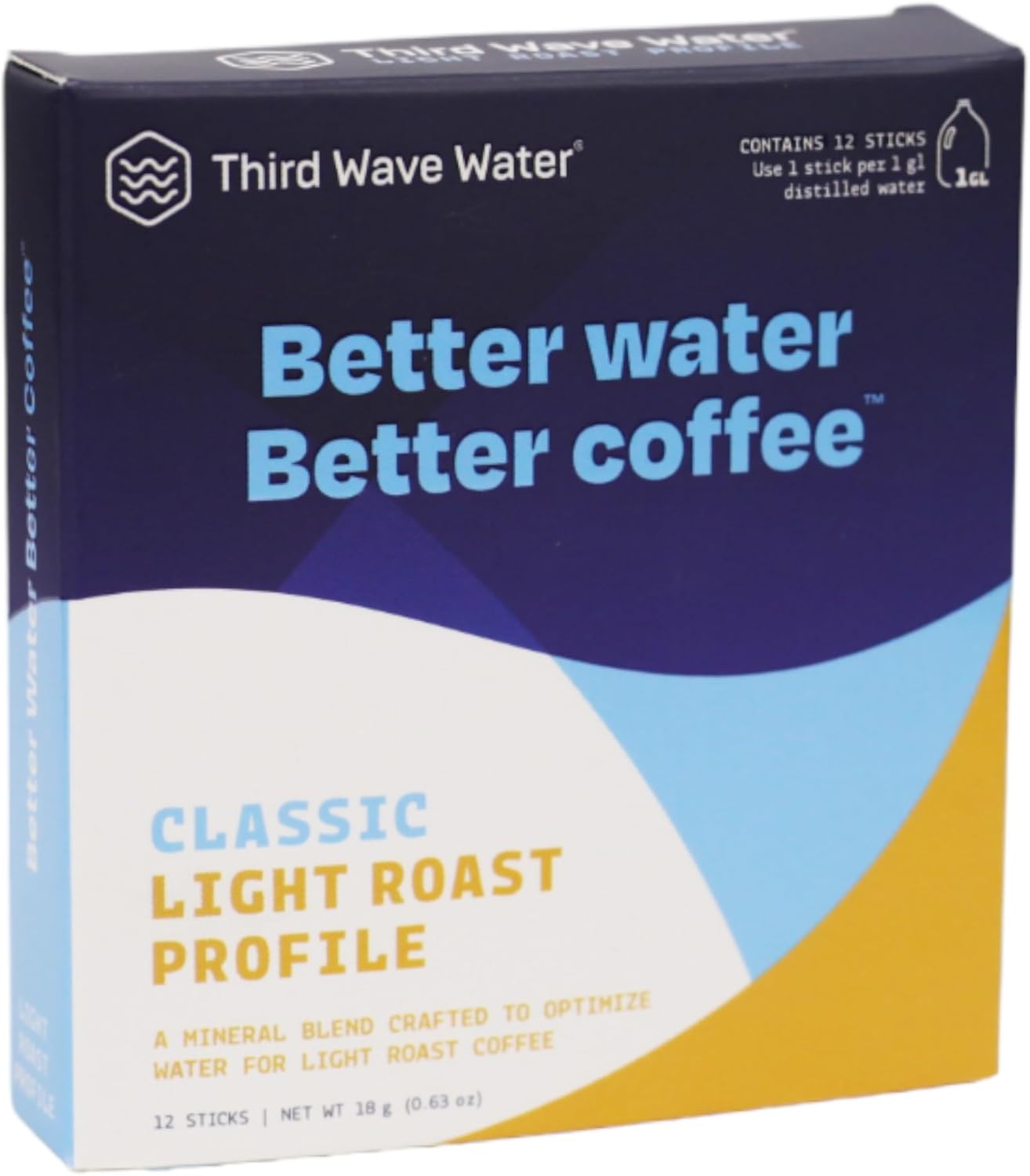
Third Wave Water · Classic Light Roast Profile (12-pack)
Third Wave Water solves the brewing water problem with a pre-formulated mineral mix.
Bodum · Pavina Double-Wall Glasses (Set of 6, 12oz)
The cafe glass for serving iced lattes, iced Americanos, and cold brew at home.
$40.99
View on Amazon →Hario · Cupping Spoon (Kasuya Model)
The right shape matters.


Pulled may earn a commission on purchases. Cookie applies to all Amazon items in your next 24 hours, not just this product.
See all Pulled Picks →Keep going with Pulled