January 13, 2026
What Is a Latte
Make the coffee, then pull the cafe. Download Pulled.


The latte is the most widely consumed espresso-based drink in the world, and also one of the most misunderstood. Its simplicity disguises a surprising amount of variation, and knowing what a good one should taste like makes every coffee shop visit better.
What goes into a latte
A latte is espresso and steamed milk, with a thin layer of microfoam on top. The standard ratio is roughly one part espresso to three or four parts steamed milk. The milk should be steamed to around 140 degrees Fahrenheit, creating a texture that is silky and smooth rather than bubbly or dry.
Espresso ratio
The quality of the espresso matters more than most latte drinkers realize, because the milk modifies but does not eliminate the coffee flavor. A well-pulled double shot of espresso should provide enough flavor to come through the milk. If your latte tastes like nothing but warm milk, either the espresso is weak or the milk ratio is too high.
Make the coffee, then pull the cafe. Download Pulled.
Milk steaming
The difference between a good latte and a mediocre one is often the milk. Properly steamed milk is thick and velvety, with tiny uniform bubbles incorporated throughout. Poorly steamed milk is thin, or has large bubbles that separate from the liquid, or is scalded at too high a temperature. When a barista steams milk well, the poured latte has a natural sweetness that comes from the milk itself.
Latte art
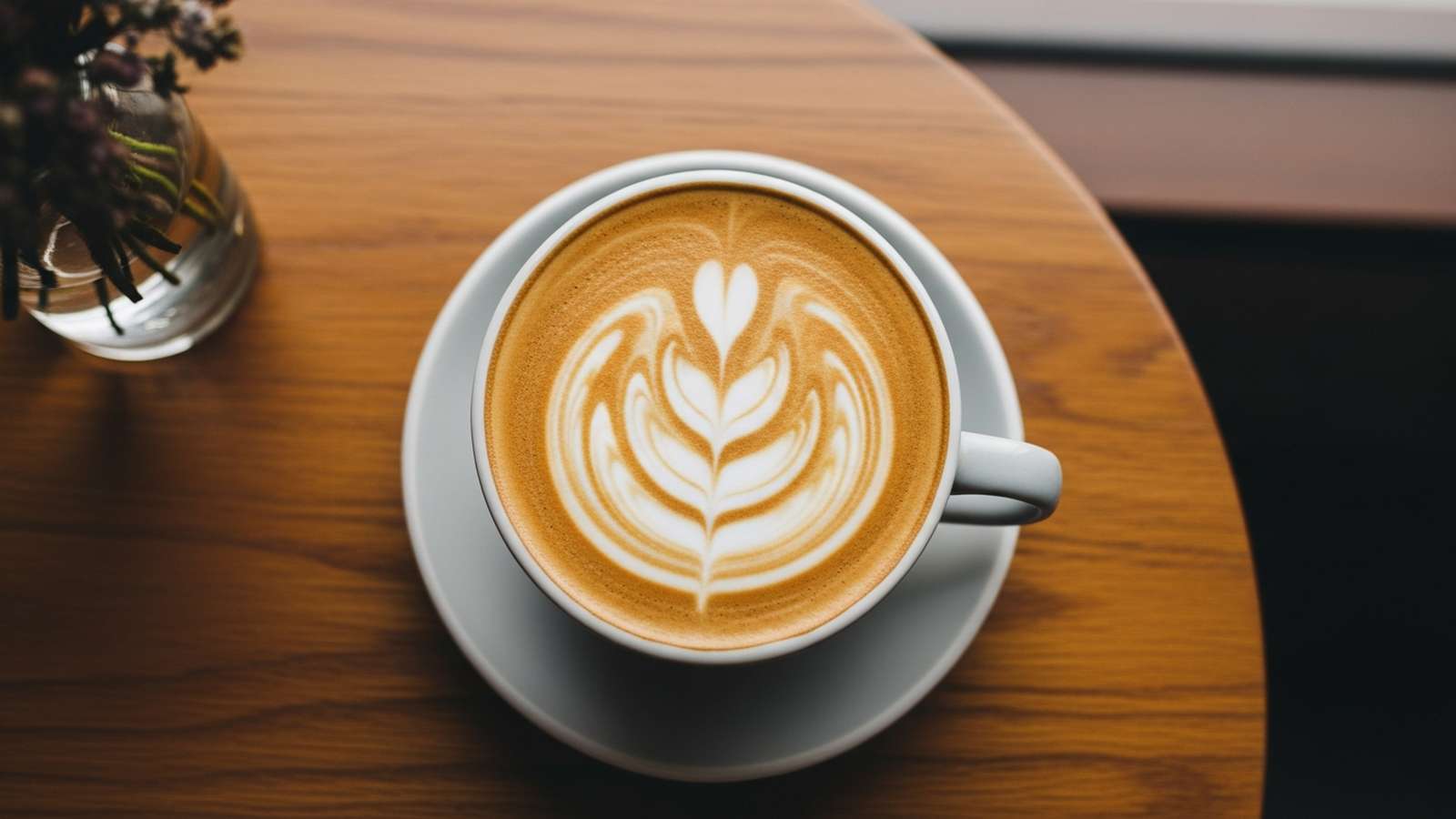
Latte art is a byproduct of well-steamed milk poured with technique. It is not decoration for its own sake. A rosettas or a heart in your cup indicates that the milk was steamed correctly and poured with control. It is a useful proxy for quality, though not a guarantee.
How to order one well
At a specialty cafe, ordering a standard latte will get you something made with the house espresso blend and whole milk. If you want to experiment, ask about the single origin espresso option if available. If you want it stronger, ask for an extra shot. If you prefer it cooler, tell the barista. Good coffee shops accommodate these requests.
Use Pulled Coffee to earn rewards every time you order a latte at your favorite cafe.
Start earning from your coffee habit.
Pulled Coffee pays you real money via PayPal for checking in at cafes and coffee shops.
Download Pulled CoffeeRelated reading: cappuccino, flat white, espresso.
If you find yourself pulling lattes at specialty shops regularly, Pulled Coffee rewards you for those visits.
Make the coffee, then pull the cafe. Download Pulled.
Our Picks
What we'd buy on Amazon for this
Breville · Bambino Plus Espresso Machine
A reasonable entry point at $300 less than the Barista Pro.
$488
View on Amazon →Breville · Milk Cafe Electric Frother
Induction heated, temperature programmable. Worth it if you make milk drinks every day.
$199.95
View on Amazon →Breville · Barista Pro Espresso Machine
The machine the Pulled editorial team uses for everything.
$849.95
View on Amazon →


Pulled may earn a commission on purchases. Cookie applies to all Amazon items in your next 24 hours, not just this product.
See all Pulled Picks →Keep going with Pulled