January 4, 2026
Madrid Coffee Guide: 21 Specialty Shops, Roasters, and Cafes
Get paid for the gear you already use to brew.


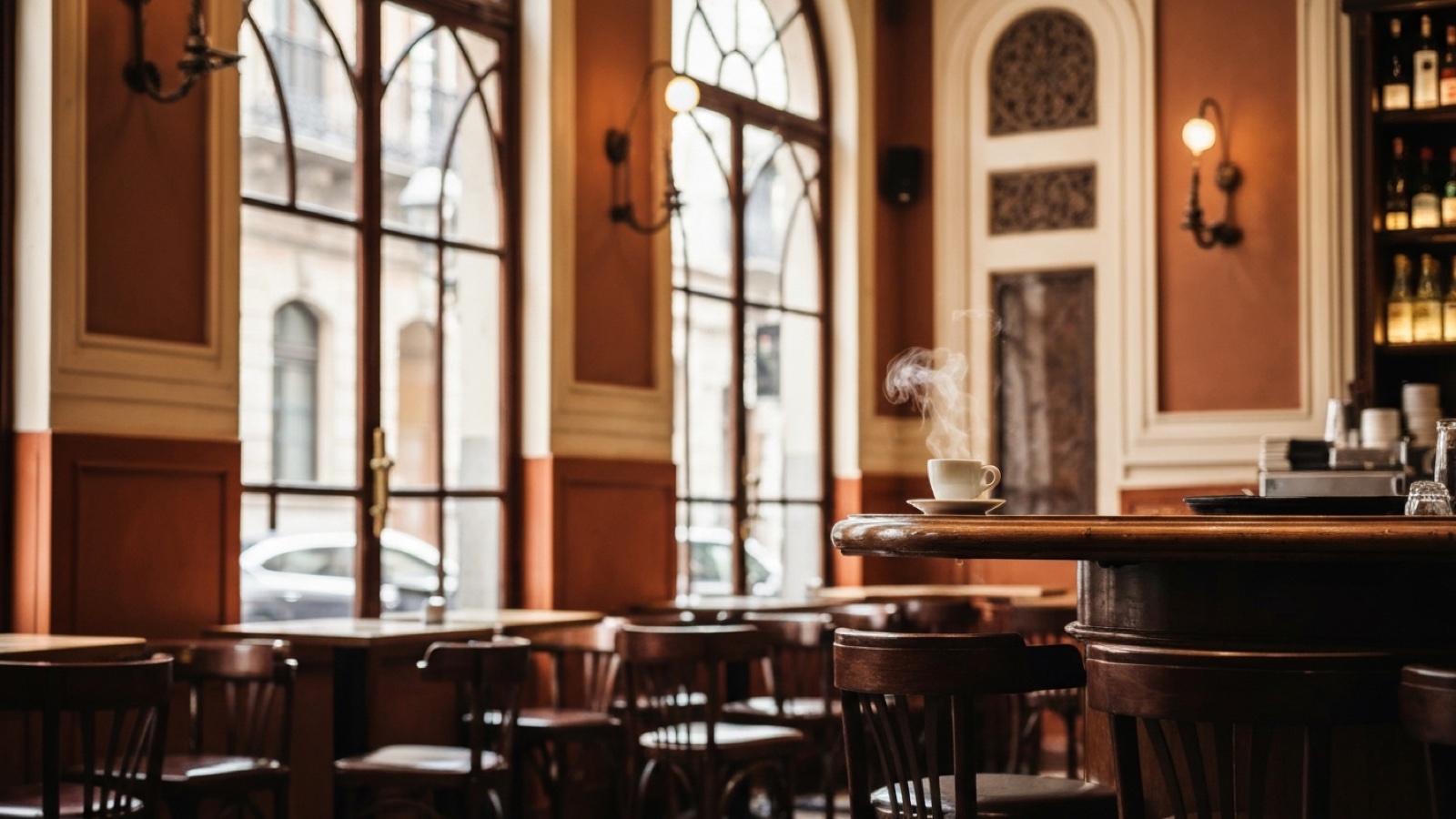
Café Gijón opened on Paseo de Recoletos in 1888 and remains one of the most-cited literary cafés in the Spanish-speaking world. Federico García Lorca, Camilo José Cela, Buero Vallejo, and several generations of Spanish writers held tertulias there. The shop continues to operate at the same address today, with much of the original interior intact. Madrid’s broader café tradition runs through the late-eighteenth-century Café del Príncipe and the literary tertulia network of the nineteenth century. The classical Madrid bar serves café con leche at breakfast in a tall glass, café cortado as the small post-meal milk coffee, and the broader Spanish bar register that combines coffee with tapas, wine, and the long Madrid working day.
The contemporary specialty wave arrived in Madrid in 2011 with Toma Café in Malasaña, opened by Patricia Alda and Santiago Rigoni, who had trained in the broader European specialty scene. By 2018, the city had built specialty corridors across Malasaña, Lavapiés, Chueca, Conde Duque, and Salamanca. The traditional bars are not threatened. Most Madrileños still drink the morning café con leche at a neighborhood bar standing or seated at a long counter, with a tostada and a small glass of fresh-squeezed orange juice. The specialty wave has added a new register, and the two registers now coexist.
Malasaña
Malasaña is the center of contemporary Madrid specialty coffee. Toma Café, opened in 2011 on Calle de la Palma by Patricia Alda and Santiago Rigoni, was the city’s specialty pioneer and remains an essential reference. The original location is small, the second Toma 2 a few blocks away holds the larger café format. HanSo Café on Calle del Pez pours light Korean-influenced specialty in a small front room with deliberate Asian café aesthetics. Misión Café on Calle de los Reyes runs competition-grade espresso. Mistura Coffee Brewers on Calle de Augusto Figueroa straddles Malasaña and Chueca and pours single origin specialty. Federal Café on Plaza de las Comendadoras combines Australian-influenced brunch with espresso. The neighborhood’s combination of post-Movida creative-economy population, walkable street grid, and inexpensive central real estate produced the ideal conditions for the city’s specialty origin. Explore all coffee shops in Madrid.
Lavapiés and the south
Hola Coffee, founded in 2015 by Pablo Caballero on Calle del Doctor Fourquet in Lavapiés, is the contemporary Madrid specialty anchor and runs an in-house roastery. The shop pours single origin pour over alongside espresso and runs a serious sourcing program with relationships at producing-country origins. Lavapiés’ broader multicultural character, with its strong North African, South Asian, and Latin American populations, produces a café register that operates at lower commercial intensity than Malasaña and at a more diverse cultural cadence. The neighborhood’s Sunday flea market at El Rastro creates weekly café-going foot traffic. The Casa Encendida and Reina Sofía cultural institutions sit nearby and add additional café demand.
Pulled pays cash for cafe visits while you weigh the gear.
Chueca and Conde Duque
Chueca’s position as Madrid’s LGBTQ neighborhood and its broader creative-economy character produced a café register that grew alongside the Malasaña wave. Mistura Coffee Brewers and Misión Café both operate within walking distance from the Plaza de Chueca metro stop. The Mercado de San Antón holds several café operations within a covered market environment. Conde Duque, the residential neighborhood just west of Malasaña, holds La Bicicleta Café on Plaza de San Ildefonso, opened in 2013, which combines specialty coffee with a coworking program. The Conde Duque cultural center sits adjacent to the neighborhood’s café corridor. Explore Madrid coffee shops.
La Latina and the historic center
La Latina’s position as the historical Madrid working-class neighborhood, anchored around the Plaza de la Cebada and the Sunday Cava Baja tapas circuit, produces a café register built into daily neighborhood life rather than designed for visitors. Café Hilarius on Calle Cava Alta, Coffee & Salsa near the San Andrés district, and a network of smaller traditional bars serve the local population. The Centro Histórico more broadly, around Sol and Plaza Mayor, holds the heritage tourist café register; the cafés around Plaza Mayor and Sol primarily serve visitors rather than residents, with prices and quality reflecting that. Café de Oriente on Plaza de Oriente, with the Royal Palace terrace, holds a heritage tourist register at higher prices.
Salamanca and Chamberí
Salamanca, Madrid’s upscale residential and shopping district, holds the city’s premium café register. The neighborhood’s tree-lined Calle de Serrano and Calle de Velázquez hold cafés that cater to the residential population and the broader luxury retail foot traffic. Pum Pum Café on Calle Tribulete and the Pum Pum location near Mercado de la Paz hold contemporary specialty operations within the neighborhood. Chamberí, just north of Malasaña, holds a quieter residential café register. The neighborhood’s preserved early-twentieth-century apartment architecture, the Sunday Mercado de Vallehermoso, and the Plaza de Olavide café cluster all produce a working-day Madrid café experience at lower commercial intensity than the central districts.
The history of Madrid coffee
Coffee arrived in Madrid in the late seventeenth century through Cádiz and Sevilla, the country’s primary trading ports. The first commercial Madrid coffeehouses opened in the 1760s. The Café del Príncipe, opened in the late eighteenth century on Calle del Príncipe, became one of the gathering places for the literary and political tertulias that shaped Spanish public life through the nineteenth century. Café Gijón opened in 1888 and remained the literary anchor through the twentieth century.
Twentieth-century Madrid coffee was shaped by torrefacto roasting, the Spanish technique that adds sugar to the bean during the final stages of the roast. Torrefacto became widespread during the Spanish Civil War (1936-1939) and remained the country’s default roasting method through most of the twentieth century. Madrid bars served, and many still serve, café mezcla, the blend of natural and torrefacto-roasted beans that produces the distinctively bitter, dark, glossy cup that defined Spanish espresso for two generations.
The contemporary specialty wave began in 2011 with Toma Café and accelerated through the 2010s. Hola Coffee opened in 2015. La Bicicleta opened in 2013. Misión, Mistura, HanSo, Pum Pum, and a network of smaller specialty operations have built the contemporary Madrid specialty register over the past decade. By 2020, the city had achieved continental specialty status, and the Madrid scene now operates at international quality alongside the still-active traditional Spanish bar register.
How Madrid coffee differs from Barcelona
Madrid and Barcelona run similar Spanish specialty registers but with meaningful regional variations. Barcelona’s Nomad Coffee operates the country’s most internationally cited specialty roaster. Madrid’s Hola Coffee operates the country’s most cited specialty café. The two cities run at comparable specialty café count per capita. The traditional café register differs: Barcelona’s café cortado runs slightly stronger and the espresso bias is more pronounced. Madrid’s café con leche is more central to daily working-class breakfast routine. Compared to Lisbon and Porto, Madrid runs at higher specialty café count and lower torrefacto frequency in the contemporary register. Compared to the broader European specialty wave, Madrid runs at lower café density per capita than Berlin or London but at higher specialty café count than most other Southern European capitals.
14 day free trial. Real PayPal cash on every coffee run.
Best coffee shops in Madrid
Toma Café in Malasaña, opened 2011, is the city’s specialty pioneer. Hola Coffee in Lavapiés, opened 2015, is the contemporary specialty anchor with an in-house roastery. Misión Café in Malasaña pours competition-grade espresso. Mistura Coffee Brewers in Chueca runs single origin specialty. HanSo Café in Malasaña pours Korean-influenced specialty. La Bicicleta Café in Conde Duque combines specialty with coworking. Pum Pum Café in Lavapiés-Chamberí runs multiple Madrid locations. Café Federal in Malasaña and Conde Duque combines Australian brunch with espresso. Café Gijón on Paseo de Recoletos, opened 1888, is the heritage literary café. Café de Oriente on Plaza de Oriente holds the heritage royal-palace-adjacent register. Café Comercial on Glorieta de Bilbao, opened 1887 and reopened in 2017, is a heritage tertulia café. The Mercado de San Miguel and Mercado de San Antón hold café operations within Madrid’s renovated covered markets.
Madrid coffee FAQ
What is a Madrid cortado and how is it different from a Barcelona one?
A Madrid cortado is espresso with a small amount of steamed milk, served in a small glass. The version with condensed milk swirled into the bottom is the leche y leche or café bombón, which is a separate drink with a different name in proper Madrid usage. Barcelona cortados run similar in size and milk ratio. The international cortado, particularly the version popularized by San Francisco specialty cafés in the 2010s, runs slightly larger and uses steamed (not condensed) milk by default. Order “un cortado” at any Madrid bar and you receive the small Spanish version.
What is the best Madrid neighborhood for specialty coffee?
Malasaña holds the densest contemporary specialty café concentration. Lavapiés holds the contemporary anchor at Hola Coffee. Chueca and Conde Duque hold smaller specialty corridors. Each operates at a different commercial intensity and a Madrid coffee tour benefits from including all four. The traditional bar register is excellent everywhere in central Madrid and is best experienced at La Latina, around Cava Baja, or at the Plaza de Olavide in Chamberí.
Why does Madrid run on café con leche?
The café con leche is the Spanish breakfast standard. The drink combines espresso with hot milk in roughly equal proportions and is served in a tall glass or large cup. The Madrid working-class breakfast pairs café con leche with tostada (toasted bread with olive oil and tomato or with butter and jam) at a neighborhood bar before the working day begins. The combination is one of the most consistent daily rituals in the city and predates the specialty wave by over a century. Most Madrileños still build the morning bar visit into their daily working rhythm.
Should I visit Café Gijón?
Café Gijón has operated continuously since 1888 and remains one of the most internationally cited literary cafés in the Spanish-speaking world. The visit is for the cultural register and the historical association rather than for the cup itself. The coffee is acceptable rather than excellent. The literary register is strong: Federico García Lorca, Camilo José Cela, Buero Vallejo, and a long list of Spanish writers held tertulias there. The terrace on Paseo de Recoletos is one of the most pleasant outdoor café spaces in central Madrid.
Is the Madrid bar pace faster or slower than Italian?
Slower. The Italian bar serves espresso al banco at one euro and ten cents in roughly forty seconds. The Madrid bar serves café con leche, often seated at a counter, in two to four minutes. The Spanish bar is closer to the seated breakfast register than to the standing Italian espresso bar. The cultural rhythm reflects the broader Madrid working day, which starts later, runs through a long midday, and ends late in the evening. The bar visit fits naturally into this rhythm.
Earning with Pulled Coffee in Madrid
Madrid holds approximately seventeen thousand qualifying coffee shops in the Pulled Coffee directory, including specialty cafés, traditional Spanish bars, and chain locations. The First 15 challenge ($10) is achievable in a single day at normal Madrid café-going pace. The Daily 50 challenge ($150 to $350 at Devoted or Origin tiers) is achievable in two weeks of consistent café visits. The Pulled 50 challenge (fifty unique specialty shops) is achievable in a Madrid stay of one month or longer.
A walking corridor through Malasaña and Chueca produces five to seven qualifying check-ins in a single morning. The Lavapiés walk produces three to five at lower commercial intensity. The Conde Duque circuit produces three to five. The traditional bar register in La Latina, Chamberí, or any central Madrid neighborhood adds the broader café count. The Madrid metro and the broader bus network connect all major café neighborhoods at three to five-minute frequency, which makes cross-neighborhood coffee circuits practical.
The Madrid price register is among the most favorable in major European capitals. Café con leche at a neighborhood bar runs one euro and fifty cents to two euros. Cortado runs one euro and twenty cents to one euro and seventy cents. A flat white at a specialty café runs three to three euros fifty. Pulled Coffee’s rewards are paid in US dollars at the same rates that apply globally. The earnings ratio is unusually favorable for Madrid users, particularly at Devoted or Origin tier where the daily café visit converts to meaningful local-currency value. Read the cortado guide in what is a cortado before you go, and compare notes with the traditional scene in Rome. Track your Madrid pulls on the Pulled map and explore all Madrid coffee shops.
Start earning from your coffee habit.
Pulled Coffee pays you real money via PayPal for checking in at cafes and coffee shops.
Download Pulled CoffeeRelated: Best coffee in Rome, Best coffee in Barcelona, What is a cortado?
Earn cash on every coffee run. Download Pulled.
Explore coffee in Madrid