May 23, 2026
The 10 Best Decaf Coffee Brands of 2026, Ranked
Decaf used to be the cup you settled for after 2 p.m. That is finished. The Swiss Water process strips out around 97% of the caffeine while leaving the flavor mostly intact, and the better roasters now run their decaf through the same sourcing and roasting care as their flagship lots. We worked through more than 30 bags to rank the 10 best decaf coffee brands for 2026, and we added three grocery picks worth your $12.
Why decaf finally got good in 2026
For decades, decaf meant tired beans run through an aggressive chemical bath and then left on a burner. The result tasted flat, papery, and faintly of rubber. Three things changed. Decaffeination technology improved, so processors can pull caffeine without wrecking the bean. Specialty roasters started buying high quality green coffee specifically to decaffeinate, instead of dumping their worst lots into the decaf bin. And demand grew, since roughly 10% of US coffee drinkers reach for decaf and a much larger group wants a second or third cup without the jitters.
A good decaf in 2026 tastes like coffee, not like a penalty. You get the chocolate and stone fruit of a washed Colombian, the syrup of a natural Ethiopian, the clean finish of a Costa Rican. The caffeine is gone and the character stays. If you are weighing the switch, our breakdown of decaf vs regular coffee covers the caffeine and health math in detail.
How we ranked the best decaf coffee brands
We judged every bag on four things. First, the decaffeination process: Swiss Water and other water based methods score highest, sugarcane (ethyl acetate) sits close behind, supercritical CO2 comes next, and methylene chloride lands last. Second, origin transparency. We want a country, a region, ideally a farm or co-op, and a harvest window. Vague blends with no origin information lost points. Third, freshness. We checked for a printed roast date rather than a sell-by date, and we favored roasters that ship within days of roasting.
Fourth, taste. We brewed each coffee three ways: pour over at a 1:16 ratio, full immersion, and a double shot of espresso where the roast allowed. We scored aroma, acidity, body, sweetness, and finish. A decaf that held up across all three formats ranked above one that only worked as a gentle drip. This is a decaf coffee comparison built on cups, not on label copy.
The 10 best decaf coffee brands for 2026
Here is the ranked list, from our overall winner down. These are the top decaf coffee brands we tested, and prices are for a standard 10 to 12 ounce bag at the time of writing, which shifts with origin and season.
1. Counter Culture Slow Motion
Slow Motion is the decaf we kept reaching for. Counter Culture, roasting in Durham, North Carolina since 1995, runs this blend through the sugarcane (ethyl acetate) process, which keeps the sweetness harsher methods strip away. The cup is round and cocoa-forward with a red fruit edge and a clean finish that does not flatten as it cools. It works as drip, as pour over, and as a forgiving espresso. Counter Culture prints a roast date on every bag and publishes a transparency report on its sourcing, so you know the green coffee came from real relationships and not the spot market. At about $18 for 12 ounces it is not the cheapest pick here, but it is the one we would buy again without thinking. If you want a single bag that proves decaf no longer means giving anything up, start here. It is the best tasting decaf coffee we brewed this year, full stop.
2. Verve Sermon
Verve, out of Santa Cruz, California, named its decaf Sermon, and the coffee earns the confidence. This is the pick for drinkers who like acidity and a lifted, juicy cup. Verve sources the green coffee with the same farmgate relationships it uses for its caffeinated single origins, then decaffeinates without flattening the fruit. Expect red apple, brown sugar, and a soft citrus brightness most decafs cannot reach. It shines as a pour over at a 1:16 ratio and holds its own as a lighter espresso. Verve ships fast and dates every bag, so freshness is rarely an issue. At roughly $20 for 10 ounces it sits at the premium end, and the price reflects the sourcing rather than the packaging. If your daily caffeinated cup is a bright washed coffee and you want a decaf that does not feel like a downgrade after dinner, Sermon is the bag to buy.
3. Onyx Monarch Decaf
Onyx Coffee Lab, based in northwest Arkansas, treats decaf like a competition lot. Monarch is a Colombian decaf run through the sugarcane process, and it drinks like a coffee that happens to have no caffeine rather than a decaf trying to compensate. The cup is layered: milk chocolate, ripe cherry, a touch of caramel, and a syrupy body that lingers. Onyx is obsessive about data, so every bag carries the producer, the elevation, detailed tasting notes, and the roast date. The roasting is precise and the consistency from bag to bag is the best in this group. At about $22 for 10 ounces it is the priciest entry on the list, and it is the one to pour for a guest who swears they hate decaf. Brew it as pour over to catch the high notes, or pull it as espresso for a denser, chocolate-heavy shot. Either way it overdelivers.
4. Trade Decaf Match
Trade is a marketplace that connects you with more than 450 coffees from over 50 roasters, and its quiz, the Match, points you toward decafs that fit your taste rather than handing you one house blend. Answer a few questions about how you brew and what you like, and Trade routes you to a decaf you might never have found, from sugarcane processed Colombians to Swiss Water Ethiopians. The model is the strength: you are not locked into a single roaster's only decaf option. Bags ship straight from the roaster, usually within a day or two of roasting, so freshness stays high. Plans start around $15 a bag and adjust to your cadence. If you are not sure which process or origin you prefer yet, Trade is the lowest risk way to taste several great decafs and learn what you actually want. It is also a tidy on-ramp if you are new to specialty coffee.
5. Stumptown Trapper Creek
Trapper Creek is one of the longest running specialty decafs in the country, and Stumptown, founded in Portland in 1999, keeps it on the menu because it works. This is a Swiss Water decaf, so the process is chemical free, and the cup is the comfortable one: dark chocolate, toasted nut, a little baking spice, and a heavy, satisfying body. It is not the brightest or most complex decaf here, and it does not try to be. What it offers is reliability. Brew it in a drip machine for a houseguest, push it through a French press on a slow morning, or pour it after dinner without a second thought. At about $17 for 12 ounces it is fairly priced, widely available, and consistent across batches. If you want a no-surprises Swiss Water decaf with a roast that leans classic American specialty rather than light and sharp, Trapper Creek has earned its long run.
6. Blue Bottle Night Light
Blue Bottle built Night Light to do one job well: taste great with milk. The Oakland roaster, which helped define third wave coffee after opening in 2002, takes this decaf to a slightly deeper roast that cuts through steamed milk and oat milk without disappearing. Drink it black and you get cocoa, dried fig, and a smooth, low acidity finish. Steam it into a latte and the chocolate notes carry all the way through. The decaf process is Swiss Water, so no solvents are involved. Blue Bottle is strict about freshness and roasts to order on many channels, with a clear roast date on the bag. At roughly $19 for 12 ounces it is priced like the rest of the premium field. If most of your evening cups are cortados, flat whites, or oat lattes, Night Light is the decaf built for exactly that, and it is the one we keep next to the espresso machine.
7. Atlas Coffee Decaf
Atlas Coffee Club ships a different single origin every delivery, a rotating tour through coffee growing countries, and you can set the whole subscription to decaf. One month you might get a Swiss Water Sumatran, the next a sugarcane Colombian or a Costa Rican. Each shipment arrives with a postcard about the origin, tasting notes, and brewing tips, which makes it a genuinely fun way to learn what different decaf origins taste like. Freshness is solid, with beans roasted and shipped on a regular cadence. The taste varies by origin, which is the point, though it means some months land better than others. Plans run around $14 to $16 a bag depending on your schedule. If you like the surprise of a new origin every few weeks, Atlas is one of the strongest options in our roundup of the best coffee subscription services, and you do not have to give that variety up just because you are off caffeine.
8. Yes Plz Decaf
Yes Plz is a blend-only operation, and the people behind it spent years dialing in caffeinated blends before offering a decaf. That experience shows. The decaf is balanced and easygoing, built for everyday drinking rather than for chasing one dramatic note: think milk chocolate, dried cherry, and a clean, sweet finish. Every box ships with a printed zine full of coffee writing and music, which is either a delight or beside the point depending on your mood, but the coffee stands on its own. Yes Plz roasts in Los Angeles and ships quickly, with fresh dates on the bag. Pricing lands around $19 a bag on a subscription. If you prefer a carefully built blend over a rotating cast of single origins, and you want a decaf that tastes the same and good every morning, Yes Plz is the consistent choice. The zine is a bonus, not the reason to buy.
9. Driftaway Decaf Sampler
Driftaway starts you with a tasting kit of four small coffees from different origins and processes, decaf included, so you can figure out your palate before committing to full bags. For someone new to specialty decaf, that structure is the whole appeal. You rate what you drink, Driftaway learns, and future shipments skew toward what you scored highest. The roaster, based in Brooklyn, sources transparently and prints harvest and roast information on each pack. The decaf options span Swiss Water and sugarcane processes across several origins, so the sampler doubles as a quick lesson in decaf coffee comparison. Freshness is good, and the small format means you taste more variety with less waste. Pricing is approachable, with the starter kit running around $20 and regular bags after that. If you want to learn what you like rather than guess, and you want to do it without buying five full bags at once, Driftaway is the smartest place to start.
10. Volcanica Decaf Costa Rica
Volcanica specializes in single origin coffees from volcanic regions, and its Costa Rica decaf is the value pick of this list. It uses the Swiss Water process on a clean, high grown Costa Rican, and the cup delivers bright acidity, honey sweetness, and a crisp, citrus-tinged finish that lands well above the price. Volcanica carries one of the widest ranges of single origin decafs anywhere, so if you want a Sumatran, an Ethiopian, or a Colombian decaf instead, the same value math applies. Bags are larger than most specialty offerings, often 16 ounces, and the per-cup cost runs below the rest of this field. Freshness is the one tradeoff, since roast dates are present but the model leans toward roast-to-order rather than ship-the-same-day. At about $18 for a 16 ounce bag, it is the best swiss water decaf for drinkers who want single origin character without a premium subscription price. Buy it when you want quality by the pound.
Honorable mentions: grocery decaf that punches above its weight
Not everyone wants to order online and wait for shipping. Three grocery decafs are good enough to recommend without an asterisk. Peet's Decaf Major Dickason's Blend is the dark roast standby, bold and full bodied, and it holds up in a drip machine better than anything else on the shelf at that price, usually around $11 for 12 ounces. Café Don Pablo Decaf uses the Swiss Water process on Colombian beans and sells in larger 2 pound bags, which makes it one of the best per-cup values you can buy in a store, often near $20 for the big bag. Kicking Horse Decaf, roasted in British Columbia, is also Swiss Water processed, organic, and reliably fresh for a grocery product; it runs dark and chocolatey at about $13 for 10 ounces. None of these will dethrone the top of our list, but all three beat the old assumption that store decaf has to be bad.
Decaf process explained: swiss water, sugarcane, CO2, and methylene chloride
How a bean gets decaffeinated matters more than almost anything else on the label. Here is what the four common methods actually mean for your cup.
Swiss Water and water-based methods
The Swiss Water process, and its cousin the Mountain Water process, remove caffeine using only water, temperature, and time. Green beans soak in a solution that pulls out caffeine while a carbon filter traps it, leaving the flavor compounds behind. No chemical solvents touch the coffee. The result is certified 99.9% caffeine free and consistently clean tasting, which is why most of our top picks use it. If you want the safest, most predictable cup, the best swiss water decaf options are the easy default.
Sugarcane (ethyl acetate)
The sugarcane process, often labeled natural decaf or EA, uses ethyl acetate derived from fermented sugarcane to bond with and carry off caffeine. Ethyl acetate occurs naturally in fruit, so many roasters treat this as a natural method. It tends to preserve sweetness and body especially well, which is why Counter Culture and Onyx use it, and the cups often taste rounder and more syrupy than water-processed decafs. It is our second favorite method and produces some of the best tasting decaf coffee on the market.
Supercritical CO2
The CO2 process uses pressurized carbon dioxide to extract caffeine while leaving flavor oils mostly intact. It is gentle and effective, and it is common in larger commercial decafs because it scales well. You see it less often on small-batch specialty bags, but when it is done carefully the cup is clean and balanced. There is nothing here to avoid.
Methylene chloride
Methylene chloride, sometimes labeled the European method or KVW, uses a chemical solvent to strip caffeine. The FDA permits trace residue under 10 parts per million, and roasters who use it argue it preserves flavor at low cost. It is also the method consumer groups have petitioned to restrict, and it is the one we recommend avoiding whenever a Swiss Water or sugarcane option exists at a similar price. If a bag does not state its process anywhere, it is often this one.
How to buy decaf: origin, freshness, and single origin
Process is the first filter. After that, three things separate a great bag from a forgettable one. Origin transparency is the difference between a coffee someone chose and a coffee someone dumped: look for a country, a region, and ideally a producer or co-op. A single origin decaf, one coffee from one place, will almost always taste more distinct than an anonymous blend, and roasters only bother sourcing single origin lots they truly believe in.
Freshness is the difference between a vivid cup and a dull one. Demand a printed roast date, not a best-by date. Coffee drinks best from about 4 days to 4 weeks off roast, so store it right; our guide to how to store coffee beans keeps a fresh bag tasting fresh. Finally, match the roast to how you drink. A lighter, brighter decaf rewards pour over and filter brewing, while a deeper roast cuts through milk and pulls a richer espresso. A French press flatters a darker decaf and a cone dripper favors a bright one, so see pour over vs French press for the mechanics. If you want to understand the bean side of all this, read our guide on arabica vs robusta, since nearly all quality decaf is arabica.
How Pulled pays you back on your decaf habit
Pulled is a coffee discovery app that pays you real cash by PayPal for orders you already place. You do not change what you drink. You log the decaf flat white or the bag of Swiss Water beans you were buying anyway, and Pulled sends money back to your account.
It works across the whole map: Starbucks, Dunkin, independent third wave roasters, and gas station espresso programs. Order a decaf Americano at a chain or a single origin pour over at a neighborhood cafe, and it counts the same.
Earn up to $10,000 exploring coffee.
Get Pulled.
The bottom line: our top pick, swiss water pick, and value pick
If you buy one bag, make it Counter Culture Slow Motion. It is the best decaf coffee for 2026, full stop: sweet, balanced, and good in every brewer. For a chemical free cup, Stumptown Trapper Creek is the Swiss Water pick we trust, and Blue Bottle Night Light is the one we steam into milk. For value, Volcanica Decaf Costa Rica gives you single origin character by the 16 ounce bag for less than the premium subscriptions charge.
Want to taste before you commit to a roaster? Start with the best decaf coffee in Portland, the best espresso in Seattle, or the best pour over in New York, then bring home the bag that won you over. Decaf is no longer the cup you put up with. In 2026 it is just coffee, minus the part that keeps you awake.
Our Picks
What we'd buy on Amazon for this
Lifeboost · Decaf Medium Roast Whole Bean (12oz)
Swiss water decaf, single origin, no solvents. Pregnancy and post-2pm safe.
$28.99
View on Amazon →Counter Culture · Apollo Single-Origin Espresso
Counter Culture publishes a transparency report on every lot they buy.
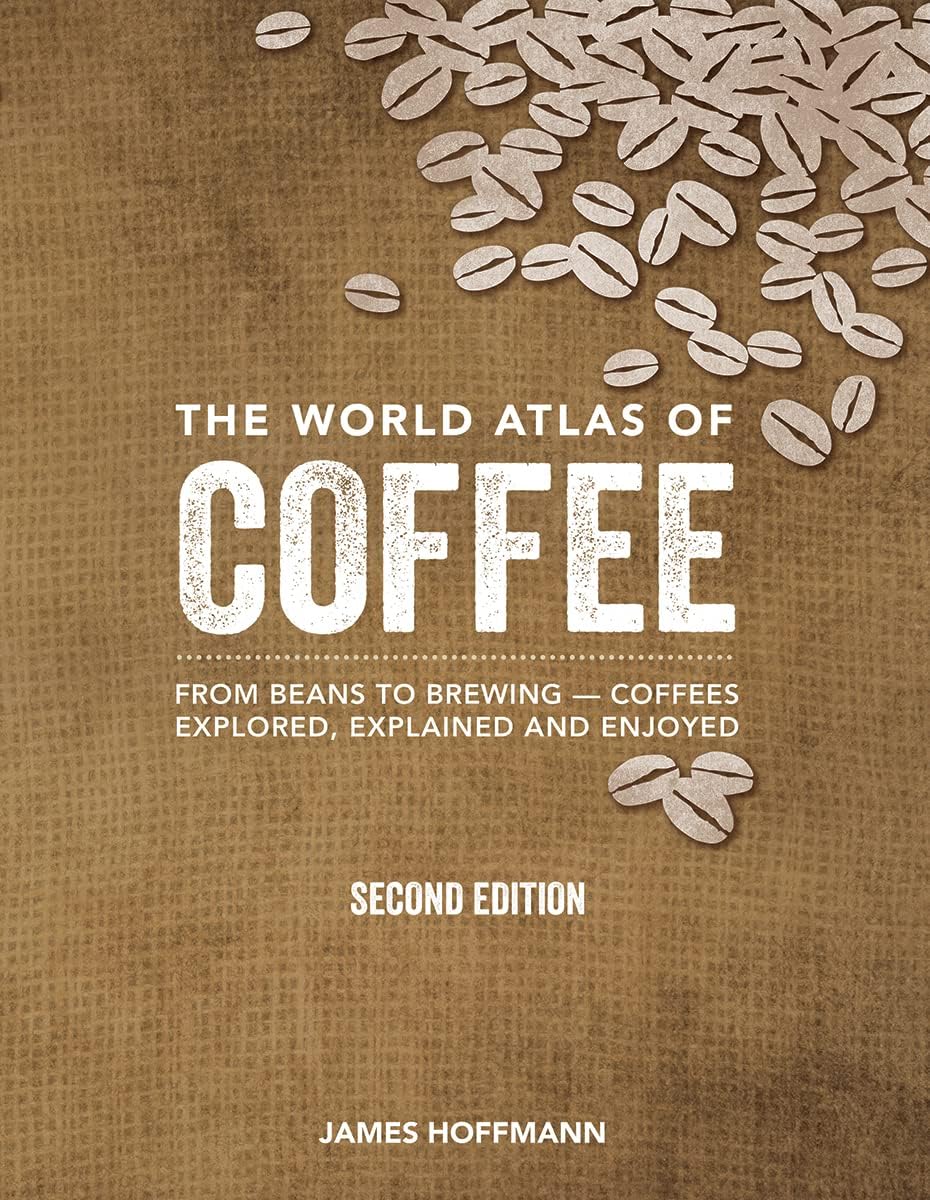
James Hoffmann · The World Atlas of Coffee (2nd Edition)
The single most useful coffee book in print.
$33.96
View on Amazon →


Pulled may earn a commission on purchases. Cookie applies to all Amazon items in your next 24 hours, not just this product.
See all Pulled Picks →Keep going with Pulled