March 12, 2026
Fair Trade, Organic, Rainforest Alliance: Coffee Certifications Explained
Coffee bags carry a variety of certification logos that imply ethical sourcing and quality standards. What these certifications actually require varies significantly, and some are more meaningful than others for the farmers who grow the coffee.
Fair Trade
Fair Trade certification guarantees a minimum price for coffee (currently $1.40/lb for conventional, $1.70 for organic) and a social premium paid to producer organizations for community development projects. The certification helps protect farmers from commodity price crashes. Critics note that the minimum price is often below what quality specialty coffee commands anyway, and that the certification focuses on price floors rather than quality development.
Organic certification
Organic certification verifies that coffee was grown without synthetic pesticides or fertilizers. The certification is expensive to obtain and maintain, which means that many small farmers who farm organically cannot afford to certify. At higher altitudes where pests are less of a problem, organic farming is more common regardless of certification status. Organic does not indicate cup quality.
Rainforest Alliance
The Rainforest Alliance certification focuses on environmental sustainability and biodiversity, requiring farms to meet standards around shade cover, water use, and habitat protection. It also includes social standards for workers. The certification allows farms to sell a percentage of their crop as certified even if not all of it meets the standard, which has been a source of criticism.
Direct Trade
Direct trade is not a formal certification but a sourcing approach where roasters buy directly from farms, bypassing intermediaries. This allows roasters to pay higher prices that go directly to the farmer and to maintain quality relationships over time. Many specialty roasters use direct trade as their primary sourcing model. The lack of third-party verification means the quality of direct trade relationships varies.
What to look for
For cup quality, none of these certifications reliably predicts it. For ethical sourcing, direct trade relationships and specific farm transparency are often more meaningful than formal certifications. The best approach is to buy from roasters who publish their sourcing relationships and prices paid to farmers.
Start earning from your coffee habit.
Pulled Coffee pays you real money via PayPal for checking in at cafes and coffee shops.
Download Pulled CoffeeRelated reading: what is specialty coffee, coffee growing regions.
The cafes sourcing certified coffee are usually the same ones counted toward Pulled Coffee specialty challenges.
Our Picks
What we'd buy on Amazon for this
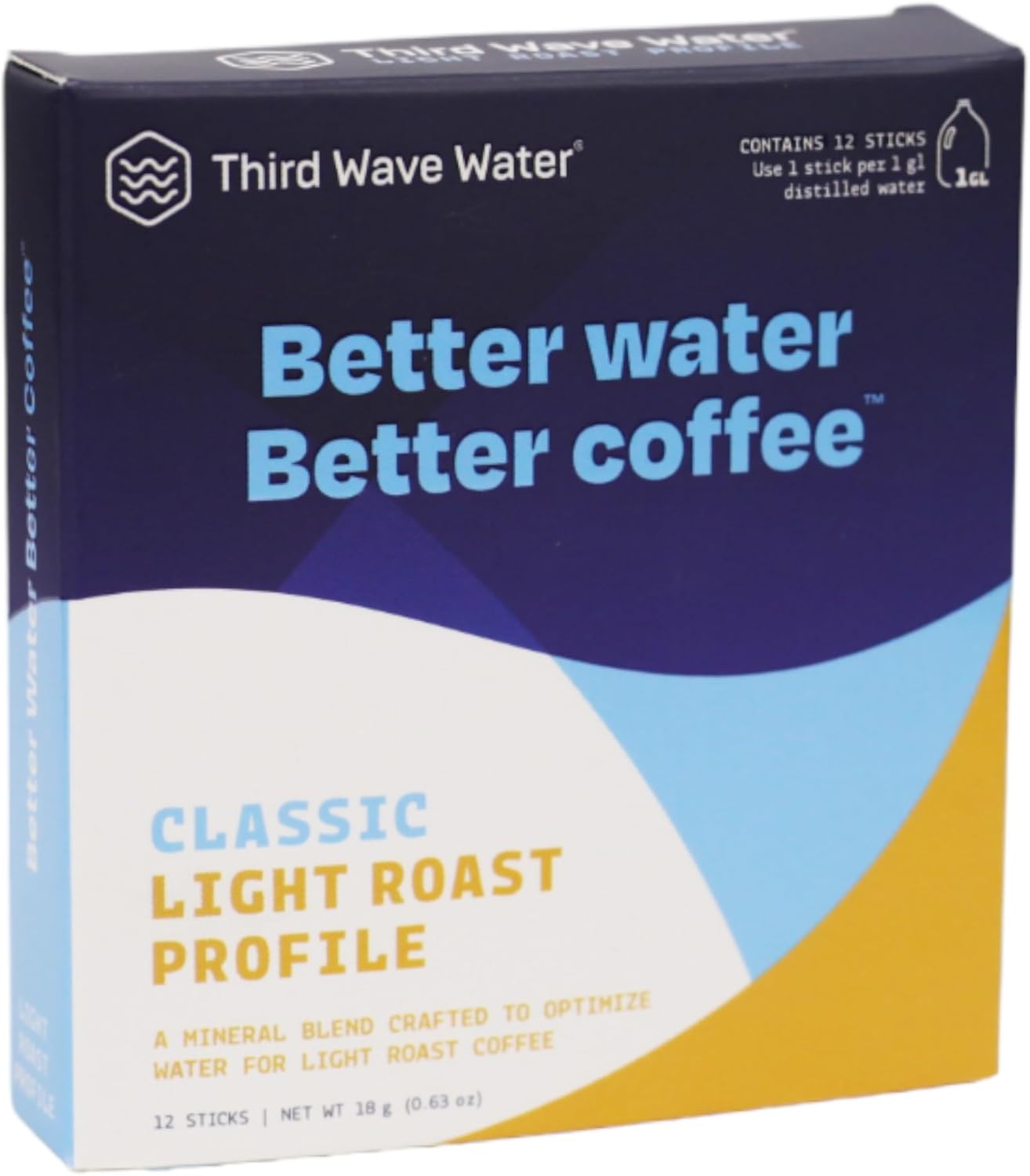
Third Wave Water · Classic Light Roast Profile (12-pack)
Third Wave Water solves the brewing water problem with a pre-formulated mineral mix.
Bodum · Pavina Double-Wall Glasses (Set of 6, 12oz)
The cafe glass for serving iced lattes, iced Americanos, and cold brew at home.
$40.99
View on Amazon →Hario · Cupping Spoon (Kasuya Model)
The right shape matters.


Pulled may earn a commission on purchases. Cookie applies to all Amazon items in your next 24 hours, not just this product.
See all Pulled Picks →Keep going with Pulled