May 10, 2026
How to Make Iced Coffee at Home: The Definitive Guide
Some links in this guide are affiliate links. If you buy through them, Pulled may earn a commission at no extra cost to you. Our recommendations are based on editorial judgment and coffee culture knowledge, not commission rates.
Iced coffee is the drink most people order in summer and the drink most people make worst at home. The version at the cafe is bright, balanced, aromatic, and cold. The version in your kitchen is usually watery, flat, or somehow both. The fix is not a better machine. It is a better method.
This guide covers the three methods that produce a clean iced coffee at home. Japanese flash brew, hot bloom over ice, and the chilled pour over. Each one has a different shape and a different best use. We also cover the part most articles skip: how iced coffee actually differs from cold brew, what beans hold up best on ice, and the eight mistakes that turn a good batch into dishwater.
What is iced coffee
Iced coffee is coffee that was brewed hot and then cooled, served over ice. That is the entire definition. The cooling can happen instantly, by brewing directly onto ice, or slowly, by chilling a finished brew in the fridge. Either way the extraction itself happens at hot temperatures, the way coffee has been made for the last several hundred years.
Hot extraction pulls out a specific set of compounds. Aromatic oils, bright acids, the volatile notes that make light roasts taste like fruit and dark roasts taste like cocoa. Those compounds are fragile. They start fading the moment a brew is finished. The temperature drop, whether sudden or gradual, is what locks them in before they evaporate.
The underrated truth about iced coffee is that the fastest cool is usually the best cool. Brewing onto a bed of ice catches the aroma at its peak. Letting hot coffee sit on the counter for an hour catches it half-dead. This is why a thirty second iced pour over at a third wave cafe tastes nothing like the iced coffee in the carafe at a diner.
Iced coffee vs cold brew
This is the question every barista hears three times a day and the answer most websites get half right. The drinks are not interchangeable. They are not the same flavor profile served at different prices. They are two different beverages built by two different extractions.
Iced coffee is hot brewed and chilled. The water that touches the grounds is between 195 and 205 Fahrenheit, exactly the temperature that any good drip or pour over uses. That heat pulls out brightness, acidity, and aroma in roughly fifteen seconds to four minutes depending on method. The drink then gets dropped over ice. The flavor profile that lands in your glass is essentially the same hot coffee you would have made, just chilled and slightly diluted.
Cold brew is brewed cold from the start. Coarse grounds sit in cold or room temperature water for twelve to twenty four hours. The water never gets warm. The chemistry is different. The acidic compounds that hot brewing extracts get left behind. The sweeter, heavier, rounder notes get pulled instead. Chocolate, caramel, nuts, occasionally dried fruit. The mouthfeel is thicker. The caffeine in concentrate form is much higher per ounce.
The practical comparison: iced coffee is bright, complex, aromatic, and lower caffeine per serving. Cold brew is smooth, heavy, lower acidity, and higher caffeine per concentrate ounce. If you want a drink that is acidic and fruity, brew iced coffee. If you want a drink that is mellow and sweet, brew cold brew instead.
There is also a shelf life difference. Iced coffee tastes best within an hour of brewing, decent for a day in the fridge, stale after that. Cold brew concentrate keeps for two weeks. Pick the method depending on whether you want a single fresh cup or a batch to pour from all week.
Method 1: Japanese flash brew (the pro move)
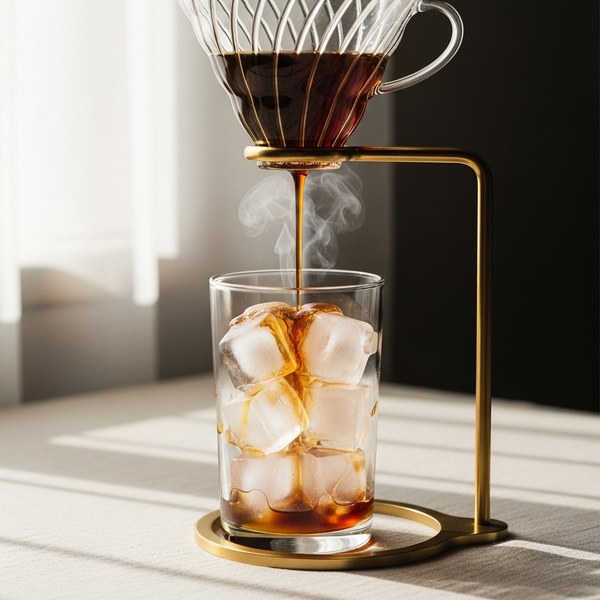
This is the method most third wave coffee shops use for iced pour over and it is the method that produces the most aromatic glass of iced coffee you will make at home. The Japanese flash brew, sometimes called Japanese iced coffee, is a pour over brewed directly onto ice instead of into an empty server. The total brew time and the bean dose stay the same as a regular pour over. The water amount is split: part of the water is replaced by an equal weight of ice in the server.
The ice does two jobs. It instantly chills the brew on contact, locking in aromatics before they evaporate. And it melts into the final liquid, providing the dilution that a normal pour over does not need. The math is clean. If your usual recipe is 20 grams of coffee to 300 grams of water, your flash brew recipe is 20 grams of coffee to 150 grams of water poured over 150 grams of ice. Same final volume, half the water, half the ice.
Step 1. Set up your pour over over a server. Weigh 150 grams of ice directly into the server. Use clean, fresh ice. Old freezer ice picks up smells and ruins the cup.
Step 2. Rinse the filter with hot water. This removes the paper taste and preheats the cone. Discard the rinse water from the server before adding ice, or pour rinse water into a different vessel.
Step 3. Grind 20 grams of beans at a medium pour over setting. Slightly finer than a regular pour over works well because the smaller water volume needs to extract more efficiently. Medium-light to medium roast is ideal. The bright fruity notes that flash brew highlights come through best in those roast levels.
Step 4. Add the grounds to the filter, gently shake to level the bed, and place the cone on top of the iced server. Tare your scale.
Step 5. Bloom. Pour 40 grams of hot water (about 200 Fahrenheit) in a slow spiral to saturate the grounds. Wait 30 seconds. You should see the grounds puff up and CO2 escape.
Step 6. Pour the remaining 110 grams of water in slow, controlled spirals. Aim to finish all pouring by the 2:30 mark on your timer. The total brew should drip through and the bed should drain by 3:30 to 4:00.
Step 7. Lift the cone. Swirl the server to mix the brew with the melted ice. Pour into a serving glass over fresh ice. Drink immediately.
The result tastes brighter and more aromatic than any other iced coffee method. The aromatic oils that would have evaporated during a slower cool are locked in by the ice. Flash brew is the method coffee professionals use when they want to show off a single origin bean.
Method 2: Hot bloom over ice (the fast method)
This is the simplest version of the flash brew principle and the method to reach for when you want iced coffee in three minutes with whatever brewer you already own. The idea is identical to flash brew. Brew strong hot coffee directly onto ice. The difference is that this method works with a drip machine, an AeroPress, or any setup that does not require precise pour over technique.
Step 1. Decide your final volume. A standard glass is about 12 ounces.
Step 2. Use double your normal coffee dose. If a 12-ounce hot cup uses 20 grams of coffee, an iced cup of the same final volume uses 20 grams of coffee but only 6 ounces of water. The other 6 ounces will be ice.
Step 3. Fill a heat-safe carafe or glass with the equivalent weight of ice. Six ounces of water is about 170 grams. Use 170 grams of ice.
Step 4. Brew your concentrated hot coffee directly onto the ice. If using a drip machine, place the carafe with ice under the spout and start the brew. If using an AeroPress, plunge directly onto the ice. The hot brew melts the ice on contact, instantly chilling the drink.
Step 5. Stir or swirl to mix evenly. Pour over fresh ice in a tall serving glass. Drink immediately.
This is the method to teach a friend who has never made iced coffee before. The technique tolerates imprecision. The brewer does not matter much. The result is reliably better than dumping yesterday's leftover coffee over ice. The drawback is that it is less aromatic than a true flash brew because most drip machines drop water in a less even pattern than a careful pour over.
Method 3: Chilled pour over (the make-ahead method)
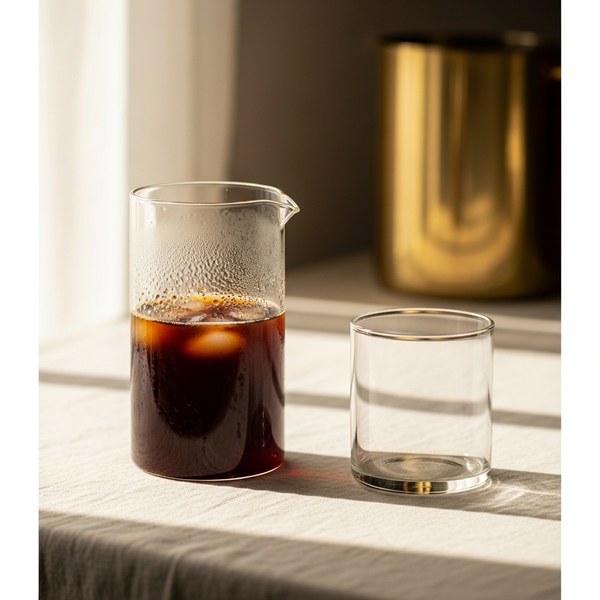
Sometimes you want iced coffee at 2 PM but you only have time to brew at 8 AM. This is the method for that case. Brew a clean batch of hot coffee in the morning, chill it deliberately, and pour over ice when you want it. The tradeoff is that you sacrifice some aromatics for the convenience. The drink will be balanced and bright but not quite as fragrant as flash brew.
Step 1. Brew a clean batch of hot coffee using your favorite method. A pour over with 30 grams of beans and 500 grams of water makes about four servings of iced coffee. Drip works too. The cleaner the brew, the better. Skip immersion methods like French press for this purpose because the heavier mouthfeel does not chill as well.
Step 2. Pour the finished hot brew into a thin metal or glass container. The thinner the walls, the faster the chill. A stainless steel pitcher is ideal. A glass server works. A ceramic mug is the worst possible choice.
Step 3. Make an ice bath. Fill a large bowl with ice cubes and a few inches of cold water. Set the pitcher of hot coffee directly into the ice bath. Stir the coffee every couple of minutes. In 10 to 15 minutes the coffee will be cool to the touch.
Step 4. Transfer to a sealed bottle or jar and move to the fridge. The seal is important. Open containers in a fridge pick up smells.
Step 5. Serve any time within 24 hours. Fill a tall glass with fresh ice. Pour the chilled coffee over it. Add milk or simple syrup to taste.
The key step in this method is the ice bath. Leaving hot coffee on the counter to cool slowly is what causes the muddy, flat taste most home iced coffees suffer from. The slow cool gives the aromatics time to fully escape and lets the coffee oxidize. A fast chill catches it before either of those things finish happening. Fifteen minutes in an ice bath produces a noticeably better result than two hours on the counter.
The best beans for iced coffee
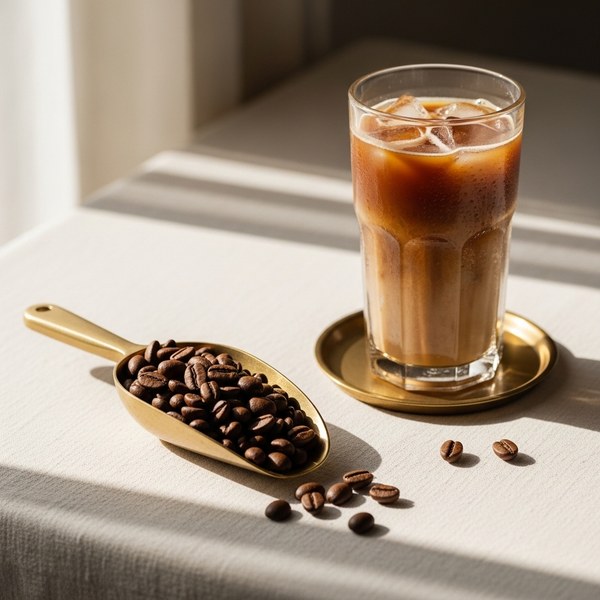
Bean choice matters more for iced coffee than for cold brew, because hot extraction surfaces every characteristic in the cup. The flavors you taste are exactly what the bean has to offer.
The roast level question lands differently than it does for cold brew. Cold brew thrives on medium and dark roasts that emphasize the chocolatey, nutty profile. Iced coffee shines on medium to medium-light roasts that have fruity, floral, or citrus notes. The bright character that comes through in hot extraction is what you want to preserve into the iced cup. A dark roast brewed as iced coffee can taste flat and ashy. A light roast brewed as iced coffee can taste like a chilled juice.
Single origin coffees from East Africa work beautifully. Ethiopian beans, particularly washed Yirgacheffe and natural process beans from Sidamo or Guji, taste like blueberries, peaches, or jasmine when brewed as iced coffee. Kenyan beans bring bright cherry and tomato acidity. Both are favorites of third wave coffee shops for exactly this reason.
Central American beans, especially from Costa Rica, Guatemala, and Panama, produce more balanced iced cups with notes of honey, citrus, and milk chocolate. These tend to be the friendliest for someone new to lighter roast coffee.
Whatever bean you pick, freshness matters more for iced coffee than for any other brew method. The aromatic compounds that make iced coffee interesting fade quickly. Use beans roasted within the past three to four weeks. Older than that and the flavor goes flat regardless of how perfectly you brew. The same beans that make a great cup of pour over or espresso at a third wave cafe are the ones that will make iced coffee worth drinking at home.
Common mistakes that ruin home iced coffee
1. Pouring hot coffee over ice in the wrong order. Filling a glass with ice and then pouring brewed hot coffee on top, with the same coffee to water ratio as a hot cup, produces a weak drink because the ice dilutes it. Either double the dose, halve the water, or brew directly onto ice as in flash brew.
2. Using yesterday's pot of coffee. Coffee that has been sitting in a carafe or fridge for a day has lost its aroma and oxidized. The iced version tastes flat and sour. Brew fresh.
3. Slow chilling on the counter. Leaving hot coffee to cool slowly for an hour before icing is the easiest way to make bad iced coffee. The aromatics evaporate, the coffee oxidizes, and the brew turns muddy. Use an ice bath or brew onto ice.
4. Old freezer ice. Ice picks up smells from the freezer. Onion ice, garlic ice, fish ice, even just stale freezer air. Bad ice makes bad iced coffee. Use fresh ice from the bag or refresh your ice tray weekly.
5. Wrong roast level. Dark roasts tend to flatten out when chilled. Bright, medium-light roasts hold their character better. If your iced coffee tastes like nothing, try a lighter roast.
6. Stale beans. Iced coffee surfaces every characteristic in the cup, including the absence of one. Beans more than a month past roast taste muted. Buy small bags, use them fresh.
7. Grinding too coarse. Iced coffee methods often use less water than the hot equivalents, so the grind needs to be a touch finer to maintain extraction. A grind that worked for hot pour over may produce a thin iced cup. Adjust slightly finer.
8. Sugaring at the end. Granulated sugar does not dissolve in cold liquid. Adding sugar to a finished iced coffee leaves crystals at the bottom. Use simple syrup, brown sugar syrup, or dissolve sugar in the hot stage before chilling.
Frequently asked questions
What is the best iced coffee method to make at home? Japanese flash brew gives you the brightest aroma. Hot bloom over ice is the easiest method that works with any brewer. Either beats pouring hot coffee over ice in a regular ratio.
Is iced coffee the same as cold brew? No. Iced coffee is hot brewed and chilled, so it is bright and aromatic. Cold brew is brewed cold over 12 to 24 hours and tastes smooth and mellow. Different chemistry, different drinks.
What beans should I use for iced coffee? Medium to medium-light roasts with fruity or floral character. Ethiopian, Kenyan, and Central American single origins work beautifully. Use beans roasted within the past three to four weeks.
Why is my iced coffee watery? You are probably pouring regular-strength hot coffee over ice. Either double the dose, halve the water and brew onto ice, or use Japanese flash brew.
How long does iced coffee last in the fridge? Best within an hour of brewing. Acceptable for 24 hours sealed in the fridge. Unlike cold brew, it does not store well long term.
What is Japanese flash brew iced coffee? A pour over brewed directly onto ice in the server. Half the water is replaced with ice. The brew chills instantly, locking in aromatic oils.
Can I make iced coffee with a drip machine? Yes. Double the dose, halve the water, place a carafe of ice under the spout. The hot brew lands on the ice and chills instantly.
How do I sweeten iced coffee? Simple syrup or sugar dissolved in the hot brew before chilling. Granulated sugar does not dissolve in cold liquid.
Does iced coffee have less caffeine than hot coffee? No. A 12 ounce iced and 12 ounce hot made with the same dose contain roughly the same caffeine.
Why does cafe iced coffee taste better than mine? Cafes brew to order with flash brew, fresh beans, and clean ice. Home cups usually fail on slow chilling, old ice, or stale beans.
The point of making it at home
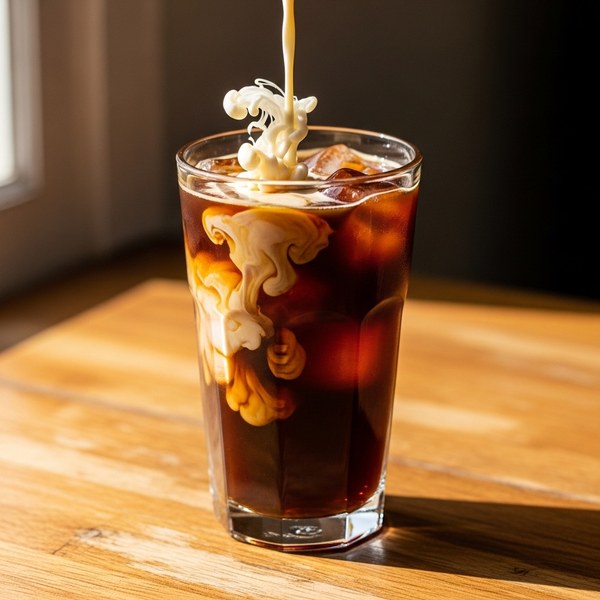
An iced coffee at a third wave cafe runs five to seven dollars. Drinking one every day is a meaningful line item in a monthly budget. Brewing a flash brew at home costs less than a dollar per glass once you own a pour over cone and a kettle, and the result is genuinely competitive with what you would pay for.
The home version also lets you tune. Single origin Ethiopian one day, Costa Rican honey-process the next. Lighter or darker. Sweeter or unsweetened. Cafe coffee is convenient. Home coffee, once you have the method down, can be just as bright and aromatic.
If you still want to support the cafes in your neighborhood when you do go out, Pulled Coffee pays cash back on every check-in at any coffee shop. Brew the home version on weekdays, drink the cafe version on weekends, and the app counts both. See how the rewards work.
Get Pulled.
Earn up to $10,000 exploring coffee shops. Real cash. Real shops. Real rewards.
Download PulledRelated reading: how to make cold brew at home, specialty coffee vs chain coffee, how to find specialty coffee shops near you, the best coffee cities in America, how to earn money drinking coffee in 2026, the best coffee apps in 2026.
Our Picks
What we'd buy on Amazon for this
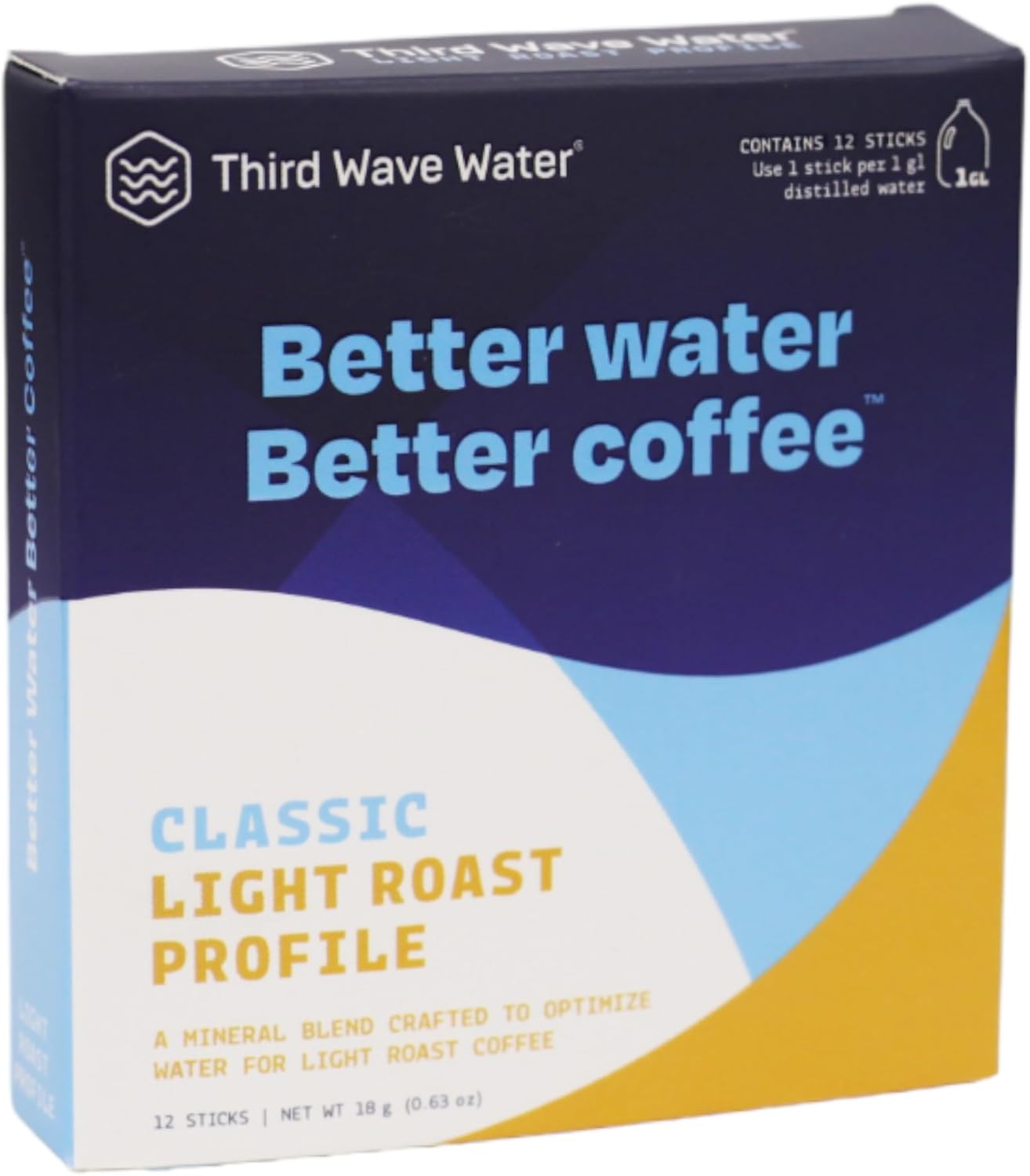
Third Wave Water · Classic Light Roast Profile (12-pack)
Third Wave Water solves the brewing water problem with a pre-formulated mineral mix.
Bodum · Pavina Double-Wall Glasses (Set of 6, 12oz)
The cafe glass for serving iced lattes, iced Americanos, and cold brew at home.
$40.99
View on Amazon →Hario · Cupping Spoon (Kasuya Model)
The right shape matters.


Pulled may earn a commission on purchases. Cookie applies to all Amazon items in your next 24 hours, not just this product.
See all Pulled Picks →Keep going with Pulled