May 10, 2026
How to Make Greek Frappé: The Real Way Greeks Drink It
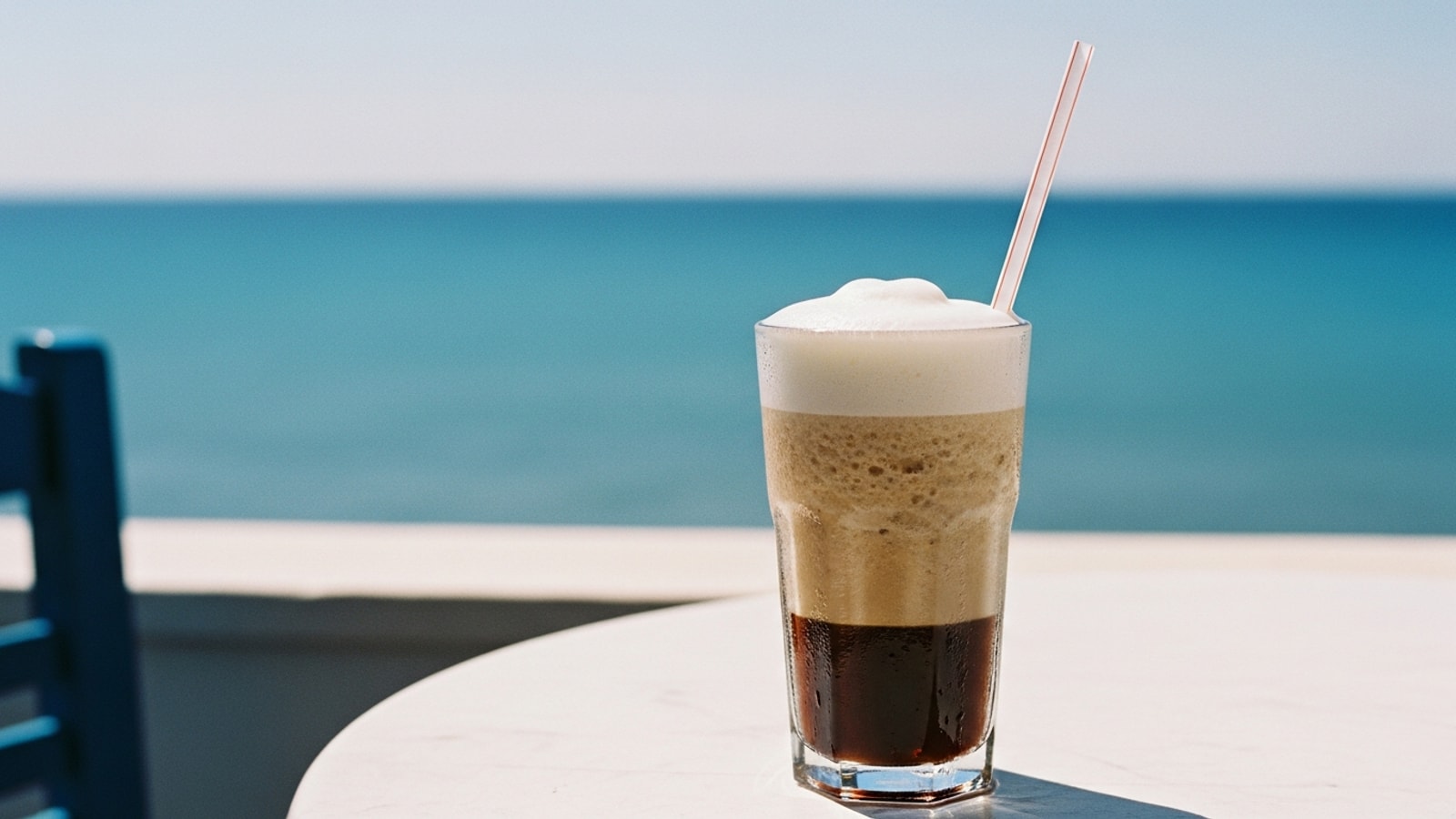
The Greek frappé is the drink of a Greek summer. You see it on every plastic taverna table from Athens to Mykonos at three in the afternoon. A tall glass, a thick foam crown an inch deep, a long plastic straw, condensation rolling down the side, and someone sitting in the shade making it last an hour.
It is also, to anyone trained in specialty coffee, deeply confusing. The Greek frappé is made with instant coffee. Nescafé Classic, specifically. In a country with espresso culture all around it, the national summer drink is instant. That is not a mistake. That is the recipe. Once you understand why, you stop trying to fix it.
This guide is how Greeks actually make frappé. The real ratio. The real coffee. The sugar levels with the Greek names you will hear at any kafenio. No Americanization. Just the drink.
What is Greek frappé
Greek frappé is a cold coffee drink made by shaking or whisking instant coffee with a small amount of cold water and sugar until it produces a thick, light brown foam, then pouring that foam into a tall glass over ice and topping with cold water (or cold water and milk). The straw is mandatory.
The drink was invented in 1957 at the Thessaloniki International Fair by Dimitris Vakondios, a Nescafé sales rep who could not find hot water on his coffee break and improvised by shaking the instant with cold water in a cocktail shaker. Within a decade frappé had become the default summer drink in Greece.
The frappé is its own category, built around the specific chemistry of spray-dried instant coffee, which foams in a way that fresh-ground coffee does not. Change the coffee and you have a different drink.
Why it is always Nescafé Classic
In Greece, every kafenio, every taverna, every beach bar uses Nescafé Classic. Always the red label.
This is chemistry, not snobbery. Spray-dried instant coffee produces a thick stable foam when agitated with cold water. The tiny coffee particles trap air and the foam holds for the length of a long drink. Freeze-dried instant, which is what most premium instant brands use, does not foam the same way. The crystals are too dense. The foam either does not form or collapses within a minute.
If you cannot find Nescafé Classic, look for spray-dried instant. The package will usually say so on the back. If the crystals look like sharp glassy chunks instead of a fine powder, it is freeze-dried and will not foam well. Buy the red jar.
Equipment
You need almost nothing.
- A tall glass, ideally narrow, holding about 12 ounces (~350 ml).
- A long straw.
- One of three foaming tools: a frappe whisk (handheld battery-powered milk frother), a cocktail shaker, or a Nescafé plunger mixer with a built in strainer lid.
- Ice cubes, Nescafé Classic, cold water, sugar (optional), cold milk (optional, for me gala).
The handheld electric whisk is the most common tool in Greek homes. It costs about ten euros. The cocktail shaker is the original method (Vakondios used one) and produces the densest foam. The plunger mixer is slower but works fine.
Sketos, metrios, glykos
The recipe is the same no matter the sugar level. The only thing that changes is how much sugar goes in at the start. These are the three names you will hear ordered in Greece:
- Sketos. No sugar. The strict, bitter version preferred by older Greeks and frappé purists.
- Metrios. Medium sugar, about 1 teaspoon. The most common order. Balanced.
- Glykos. Sweet, about 2 teaspoons. The dessert version.
Order one of these by name in Greece and you will be understood instantly. You can also stack with a milk choice: metrios me gala is a medium-sweet frappé with milk. Horis gala is without milk.
The base recipe
Step 1. Put 2 teaspoons of Nescafé Classic (~4 g) into your foaming vessel. That is the standard single dose. One teaspoon makes a weaker drink. Three makes a strong one. Two is default.
Step 2. Add sugar to your level: 0 teaspoons for sketos, 1 for metrios, 2 for glykos.
Step 3. Add 2 tablespoons of cold water (~30 ml). Not warm. Cold. This is critical. Warm water dissolves the coffee too completely and you lose the foam. Cold water keeps the coffee particles partially suspended, which is what whips into foam.
Step 4. Foam it. With a frappe whisk: plunge the whisk all the way into the liquid, turn it on, and move it up and down for 30 to 60 seconds. The mixture goes from dark liquid to thick light brown foam in stages. Stop when the foam holds a peak. With a cocktail shaker: add the mixture and a couple of ice cubes, shake hard for 30 seconds, open carefully (pressure builds). With a plunger mixer: plunge rapidly for 60 to 90 seconds.
Step 5. Fill a tall glass with ice cubes. Plenty of ice.
Step 6. Pour the foam from the vessel into the glass over the ice. The foam sits on top in a thick layer.
Step 7. Top with cold water. Pour slowly down the side of the glass so the water goes under the foam without breaking it. Fill to an inch from the rim.
Step 8. Drop a long straw in. Serve immediately. Drink slowly. The whole point is that it lasts an hour.
Plain (horis gala) vs with milk (me gala)
Horis gala means without milk. Topped with cold water only. Sharper, more directly coffee. The older, more traditional version.
Me gala means with milk. After topping with water, add a splash of cold milk (a tablespoon or two, just enough to lighten the color). Creamier, milder. Tourists usually prefer me gala without realizing they were ordering anything specific.
Some people use milk instead of water entirely, which works but tastes more like a milky iced coffee than a classic frappé. The principles for adding a proper milky layer to the drink are the same as how to froth milk at home, but in reverse: cold milk holds foam less stably, which is why the coffee foam is the structural one.
How to get the foam right
The foam is what separates a real frappé from a glass of cold instant coffee. A proper frappé has a foam crown that sits an inch or more deep and lasts the length of the drink. A bad frappé has a thin layer of bubbles that pops within five minutes.
The foam comes from three things working together. The right coffee: spray-dried instant (Nescafé Classic). Non-negotiable. The right water ratio at the start: 2 teaspoons coffee to 2 tablespoons water, roughly equal parts by volume. Too much water and the coffee dissolves before the foam forms. Too little and you get a paste that does not aerate. Enough agitation: thirty seconds in a hard shake, sixty with an electric whisk, ninety with a plunger. Keep going until the foam is clearly stiff and pale brown, not dark liquid with bubbles. Cold water from the fridge foams better than room temperature water.
Common variations Greeks actually make
Frappé with evaporated milk. Some Greeks use a splash of evaporated milk instead of fresh for the me gala. NOUNOU is a common brand.
Double or triple frappé. Order a diplos and you get 4 teaspoons of coffee instead of 2. A triplos is 6 teaspoons. For someone with a long drive after lunch.
Frappé with Metaxa or Bailey's. The late afternoon move. A small splash of liqueur. Metaxa brandy is the Greek choice.
You will not see flavored syrups, oat milk, caramel sauce, or whipped cream on a real Greek frappé. The Greek drink stays minimal.
Frappé vs other cold coffee drinks
An iced coffee is hot coffee poured over ice. Bright and acidic. Greek frappé never gets hot. Cold brew is coffee steeped in cold water for 12 to 24 hours. Smooth, low acidity. Frappé takes three minutes. Vietnamese iced coffee uses a phin filter over condensed milk. Dense and slow. Frappé is fast.
The closest cousin to a frappé is probably a Cypriot frappé. The Greek freddo, by contrast, is a totally different drink: espresso shaken cold. Younger Greeks split between freddo and frappé. Older Greeks usually drink frappé. For a broader comparison, see pour over vs espresso vs cold brew, which covers the major extraction methods side by side. If you want to go deeper into traditional brewing on the other end of the kafenio menu, our how to make Turkish coffee guide covers the briki method that predates the frappé in Greece by centuries.
Common mistakes
1. Using freeze-dried instant coffee. The foam will be thin or nonexistent. Spray-dried only.
2. Using hot or warm water. The coffee dissolves and you cannot whip foam. Cold only.
3. Stopping the whip too early. If the foam still looks like dark coffee with bubbles, keep going.
4. Too much water at the start. 2 tablespoons water to 2 teaspoons coffee. No more.
5. Breaking the foam by pouring water on top. Pour cold water down the side so it goes under the foam, not through it.
6. Skipping the ice. Without ice the drink warms in five minutes and the foam collapses faster.
7. Adding milk before the foam sets. If you go me gala, add milk after the cold water, as the last step.
Frequently asked questions
Why is Greek frappé made with instant coffee? Spray-dried instant produces a thick stable foam when shaken with cold water. Fresh ground and espresso do not foam the same way. The recipe has not changed since 1957.
What does sketos, metrios, and glykos mean? Sketos is no sugar. Metrios is medium (1 teaspoon). Glykos is sweet (2 teaspoons). Order any frappé by name and stack with a milk choice (me gala or horis gala).
Do I have to use Nescafé Classic? Practically yes. Most newer instant coffees are freeze-dried and produce thin foam. Nescafé Classic or another spray-dried instant is correct.
Can I make a frappé without a frappe whisk? Yes. A cocktail shaker works (the original method). A jar shaken hard for 30 to 45 seconds works. The electric whisk is just easiest.
What is the difference between frappé and freddo? Freddo is espresso shaken cold. Frappé is instant based. Both common in Greece. Older Greeks usually drink frappé. Younger Greeks split between the two.
How much caffeine is in a Greek frappé? About 65 to 80 mg for a standard single, similar to a normal cup of coffee. A diplos doubles that. A triplos triples it.
How long does the foam last? A properly whipped frappé holds foam for 30 to 45 minutes or more. Bad foam collapses in under five minutes.
Can I make frappé in advance? Not really. The foam degrades within an hour. Make it fresh, takes three minutes.
Drink it the way it is meant to be drunk
The Greek frappé is not a drink to optimize. It is a drink to sit with. The whole point is that you spend an hour at a small white plastic table on the edge of the sea, watching the light change, and the drink is still cold when you finish. The instant coffee is correct. The plastic straw is correct. The thick foam crown is correct. The drink works because every part of it is built around making something simple last a long time in the heat.
If you go to Greece, order a metrios me gala in the afternoon and you will fit right in. If you are making one at home, use Nescafé Classic, whip it long, pour it over ice, and resist the urge to fix anything about the recipe. It does not need fixing. It has been the same drink for almost seventy years for a reason.
If you drink one at a cafe in your home city, Pulled Coffee counts that check-in like any other and pays back real cash on the shops where you sit. See how the earning works.
Get Pulled.
Earn up to $10,000 exploring coffee shops. Real cash. Real shops. Real rewards.
Download PulledRelated reading: how to make Turkish coffee, how to use a moka pot, french press coffee ratio, how to make a latte at home, how to make pour over coffee, how to clean a coffee maker, what is third wave coffee, the best coffee apps in 2026, how to earn money drinking coffee in 2026, the Pulled Card.
Our Picks
What we'd buy on Amazon for this
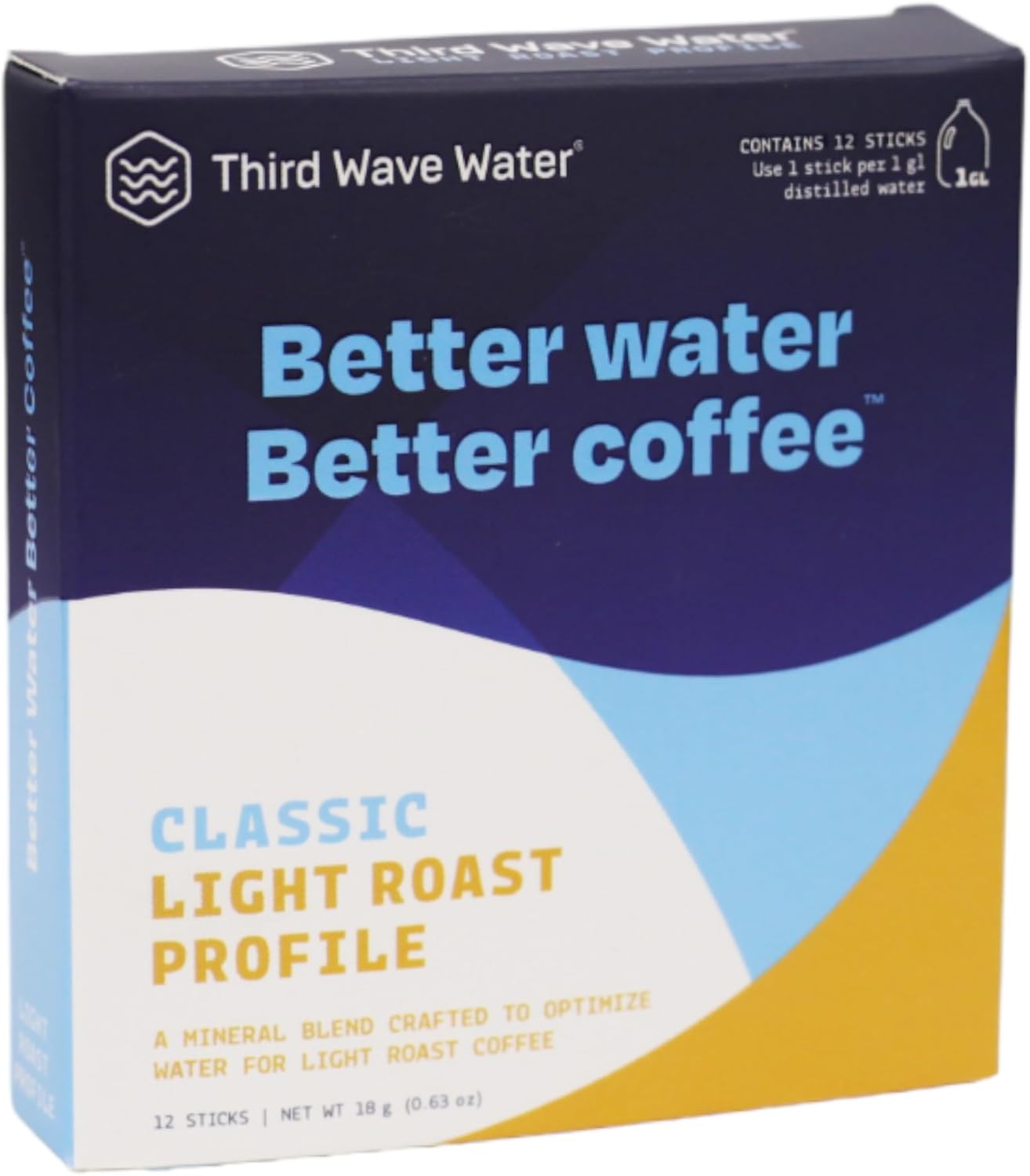
Third Wave Water · Classic Light Roast Profile (12-pack)
Third Wave Water solves the brewing water problem with a pre-formulated mineral mix.
Bodum · Pavina Double-Wall Glasses (Set of 6, 12oz)
The cafe glass for serving iced lattes, iced Americanos, and cold brew at home.
$40.99
View on Amazon →Hario · Cupping Spoon (Kasuya Model)
The right shape matters.


Pulled may earn a commission on purchases. Cookie applies to all Amazon items in your next 24 hours, not just this product.
See all Pulled Picks →Keep going with Pulled